Over the years working with entrepreneurs and organizations building their digital presence, I’ve seen one truth repeatedly: a great learning management system isn’t just about features—it’s about someone who truly understands what you’re trying to achieve. Whether you’re launching online courses, employee training, or a full e-learning platform, the developer you pick can make or break the project.
I’ve helped clients navigate LMS builds from scratch and integrations with existing tools. The difference between a clunky, generic platform and one that feels made for your audience often comes down to choosing the right developer—one who listens first and codes second.
In this post, I’ll walk you through exactly how to find and vet an LMS developer who aligns with your vision, based on real projects I’ve been part of.
Why Vision Alignment Matters More Than Technical Skills Alone
Many people start by looking for the cheapest or fastest LMS development team. That’s a mistake. A technically brilliant developer who doesn’t grasp your goals will deliver something that works on paper but fails in practice.
Your learning content management system needs to reflect your brand, audience needs, and long-term business objectives. A developer who understands this will ask smart questions about your learners, content strategy, and growth plans instead of jumping straight into tech specs.
From my experience, the best outcomes happen when the developer becomes a true partner. They translate your ideas into scalable architecture while suggesting practical improvements you hadn’t considered.
What Makes a Great LMS Developer Stand Out
Look beyond portfolios. Here are the non-negotiables I’ve learned to prioritize:
Deep Experience with Learning Management Systems
They should have built or customized multiple LMS platforms, not just general web apps. Familiarity with standards like SCORM, xAPI, and integration with tools like Zoom or payment gateways is essential.
Strong Communication and Listening Skills
The developer should be able to explain technical concepts clearly and push back respectfully when needed. In one project, a client wanted complex gamification right away. The developer suggested starting simpler to validate the concept first—saving time and budget.
Technical Versatility
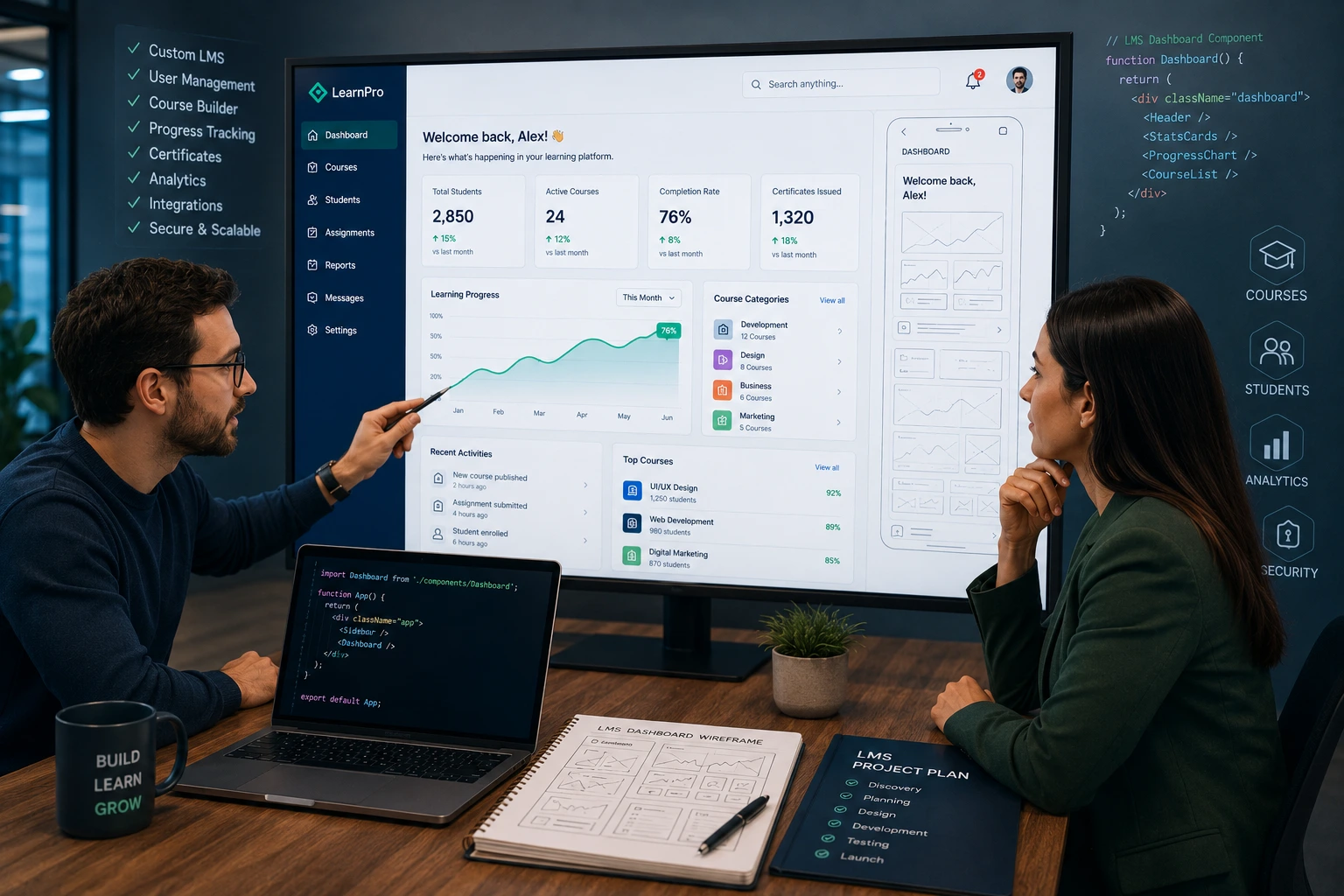
Modern custom LMS solutions often involve React or Vue for the frontend, Node.js/Laravel for backend, cloud hosting (AWS or similar), and database optimization for user progress tracking. Experience with platforms like WordPress with LMS plugins or headless setups is a big plus.
Proven Track Record in Your Niche
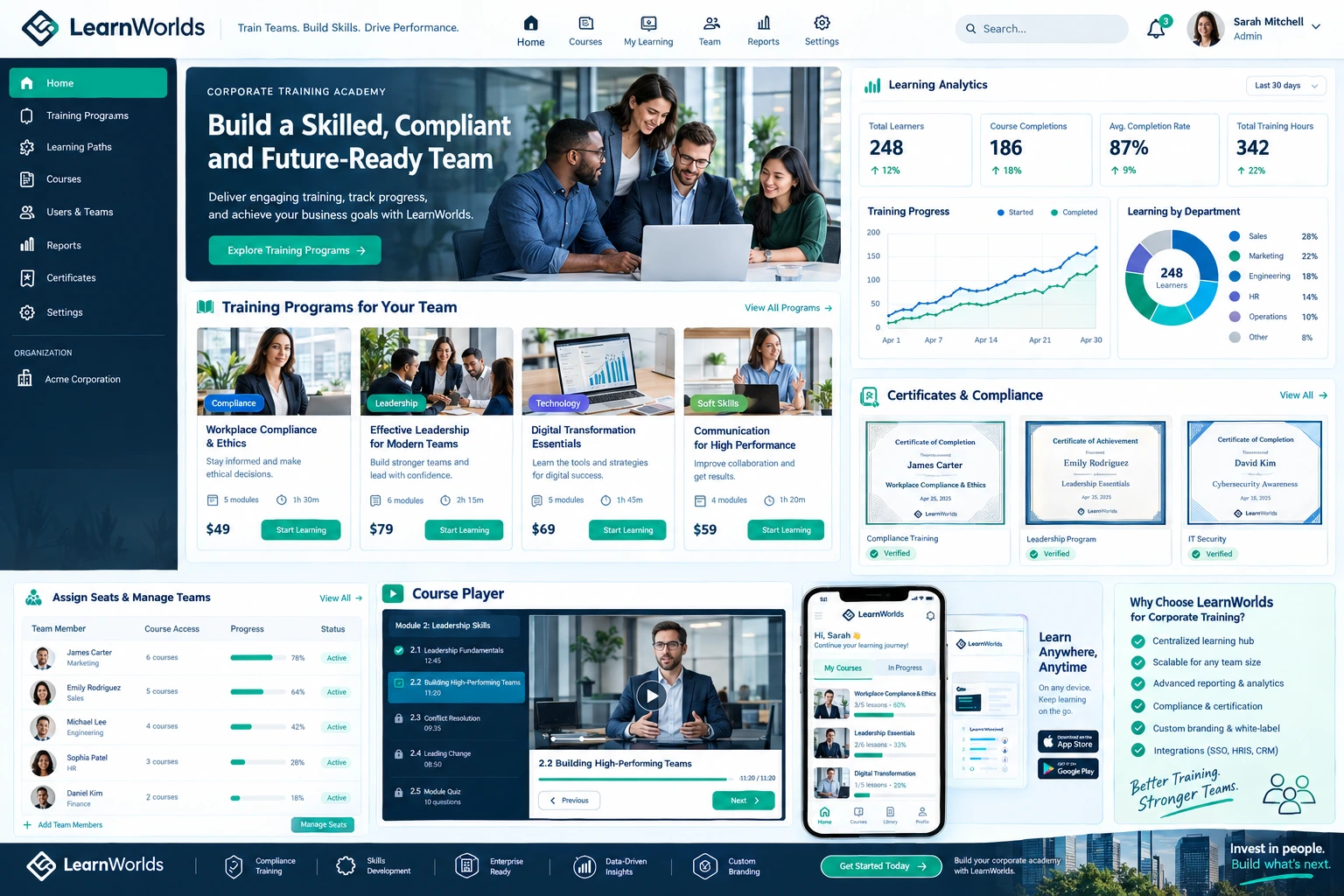
If you’re in corporate training, they should understand compliance reporting. For creators selling courses, focus on monetization flows and user experience.
The Business Impact of Choosing the Right Developer
A well-built learning management system does more than deliver content. It becomes a revenue driver or efficiency tool.
Clients I’ve worked with through Digital Wind IT have seen completion rates climb because the interface felt intuitive. One education startup doubled their course sales after switching to a custom solution that matched their branding perfectly and simplified enrollment.
Compare that to off-the-shelf options like Thinkific or Kajabi. These are excellent starting points, but custom development shines when you need unique features, specific integrations, or full ownership of your data.
Step-by-Step: How to Choose and Hire the Right LMS Developer
Here’s the practical process I recommend:
- Define Your Vision and Requirements Clearly Write down your goals, target users, must-have features (quizzes, certificates, analytics), nice-to-haves, budget, and timeline. Be specific about integrations needed.
- Search and Shortlist Candidates Look on platforms like Upwork (for freelancers) or specialized agencies. Ask for LMS case studies. Check my services page at Shihab Morshed for examples of similar digital projects.
- Review Portfolios and Ask for References Don’t just look at screenshots. Ask to speak with past clients about communication, timeline adherence, and post-launch support.
- Conduct Technical and Vision Interviews Prepare questions like:
- How would you handle user progress syncing across devices?
- What’s your approach to mobile-first design for learning management systems?
- Can you show how you’ve solved a similar challenge before?
- Request a Small Paid Test or Detailed Proposal A small prototype task reveals their process and attention to detail far better than promises.
- Evaluate Cultural and Communication Fit Schedule video calls. Trust your gut on whether they seem excited about your project.
- Discuss Ongoing Support and Maintenance A good LMS developer plans for updates, security, and scaling from day one.
Common Mistakes to Avoid When Hiring an LMS Developer
- Choosing purely on price — You’ll pay more later in fixes and lost opportunities.
- Ignoring post-launch support — Your learning content management system will need updates as your content grows.
- Skipping clear contracts — Define deliverables, revision rounds, and ownership of code clearly.
- Overloading with features initially — Start with an MVP and iterate based on real user feedback.
In one case, a client rushed into a cheap offshore team without proper scoping. The result was a delayed launch and major rework. Learning from that, we now emphasize thorough discovery phases.
FAQ: Choosing an LMS Developer
What’s the difference between hiring a freelancer and an agency for LMS development?
Freelancers offer flexibility and often lower costs for smaller projects. Agencies provide dedicated teams and broader expertise for complex custom LMS builds.
How much does custom LMS development cost?
It varies widely—from $10k for basic setups to $100k+ for advanced platforms with AI features. Focus on value and ROI rather than the lowest bid.
Should I build from scratch or customize an existing platform like Moodle or WordPress?
Depends on your needs. WordPress with LMS plugins can be faster for many, while full custom suits highly unique requirements.
How long does it take to develop a learning management system?
A solid MVP usually takes 3–6 months. Full-featured platforms can take longer depending on complexity.
What technical skills should an LMS developer have?
Look for experience with modern web tech, database design, API integrations, and ideally some knowledge of instructional design principles.
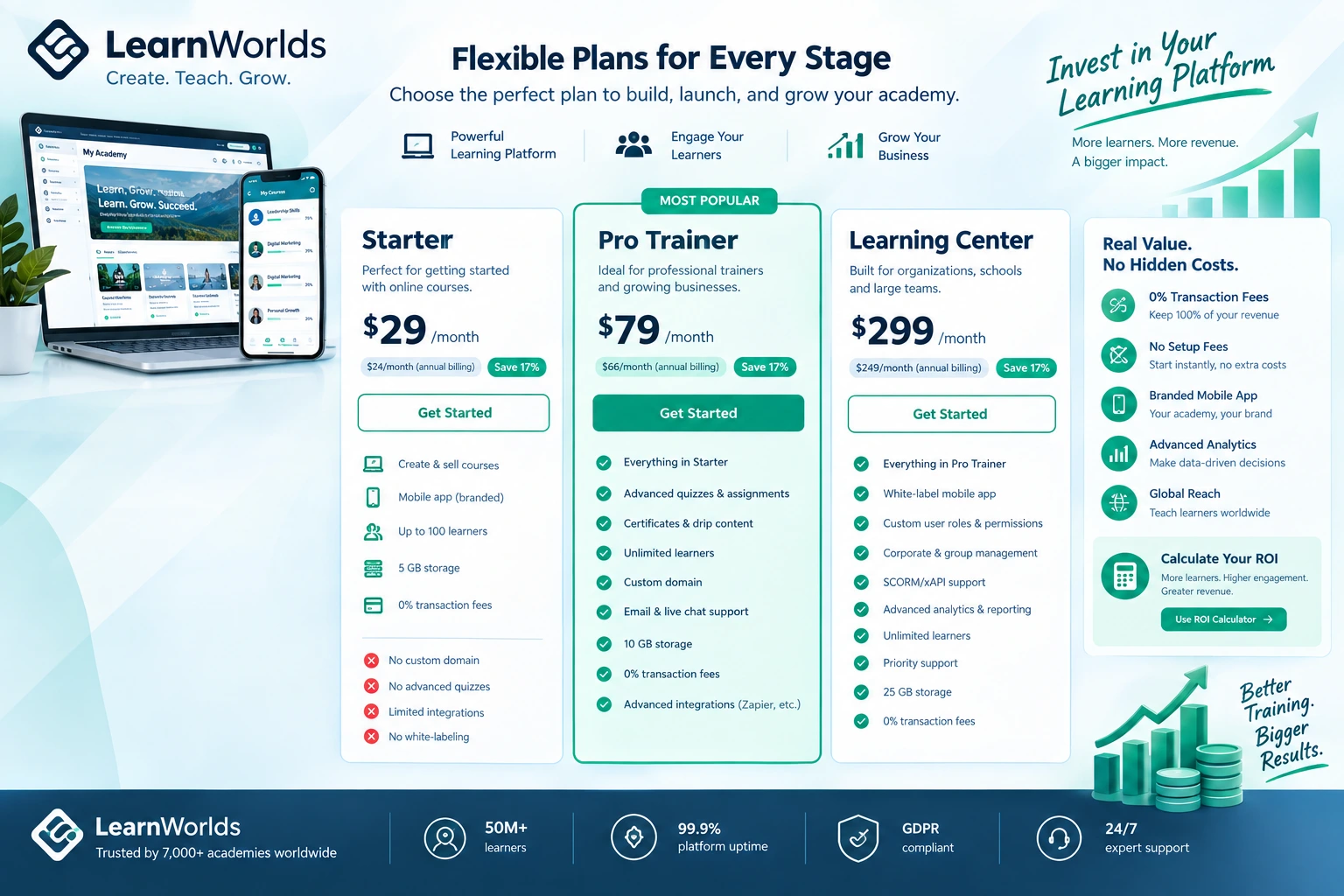
Can a good developer help me choose between custom LMS and platforms like LearnWorlds?
Yes. An experienced professional will honestly advise what fits your vision and budget best.
Wrapping Up: Build a Learning Management System That Actually Works for You
Choosing the right LMS developer isn’t about finding someone who just codes—it’s about partnering with a professional who shares your vision for impactful learning experiences. Take the time to vet properly, communicate clearly, and treat it as an investment in your audience’s success.
If you’re ready to bring your learning management systems idea to life or need guidance on the best approach, feel free to reach out. I’d be happy to discuss your project and help map out the right path forward.
What’s your biggest challenge right now with building an e-learning platform? Drop a comment below—I read and reply to them all.