I’ve spent years helping businesses and creators build online learning platforms. One lesson stands out: off-the-shelf tools work great until they don’t. When your needs grow beyond basic course hosting, that’s when hiring an LMS developer becomes a game-changer for your learning management systems.
Whether you’re a coach scaling your programs, a company training employees, or an educator creating specialized content, a custom solution often delivers better results long-term. In this post, I’ll share seven practical reasons to hire an LMS developer, backed by real experience, comparisons, and actionable advice. You’ll learn what to expect and how to make the process smooth.
What Are Learning Management Systems and Why Customization Matters
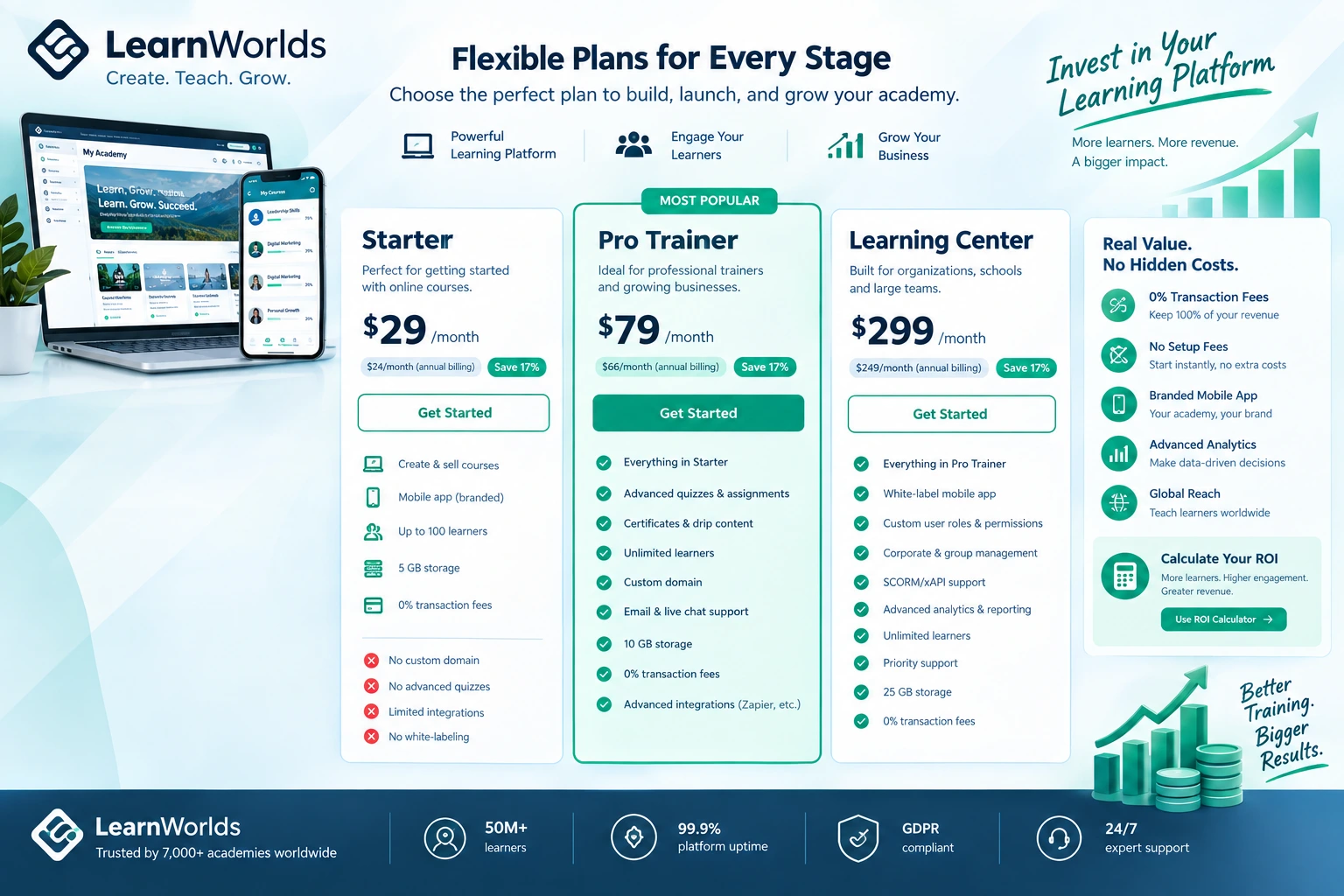
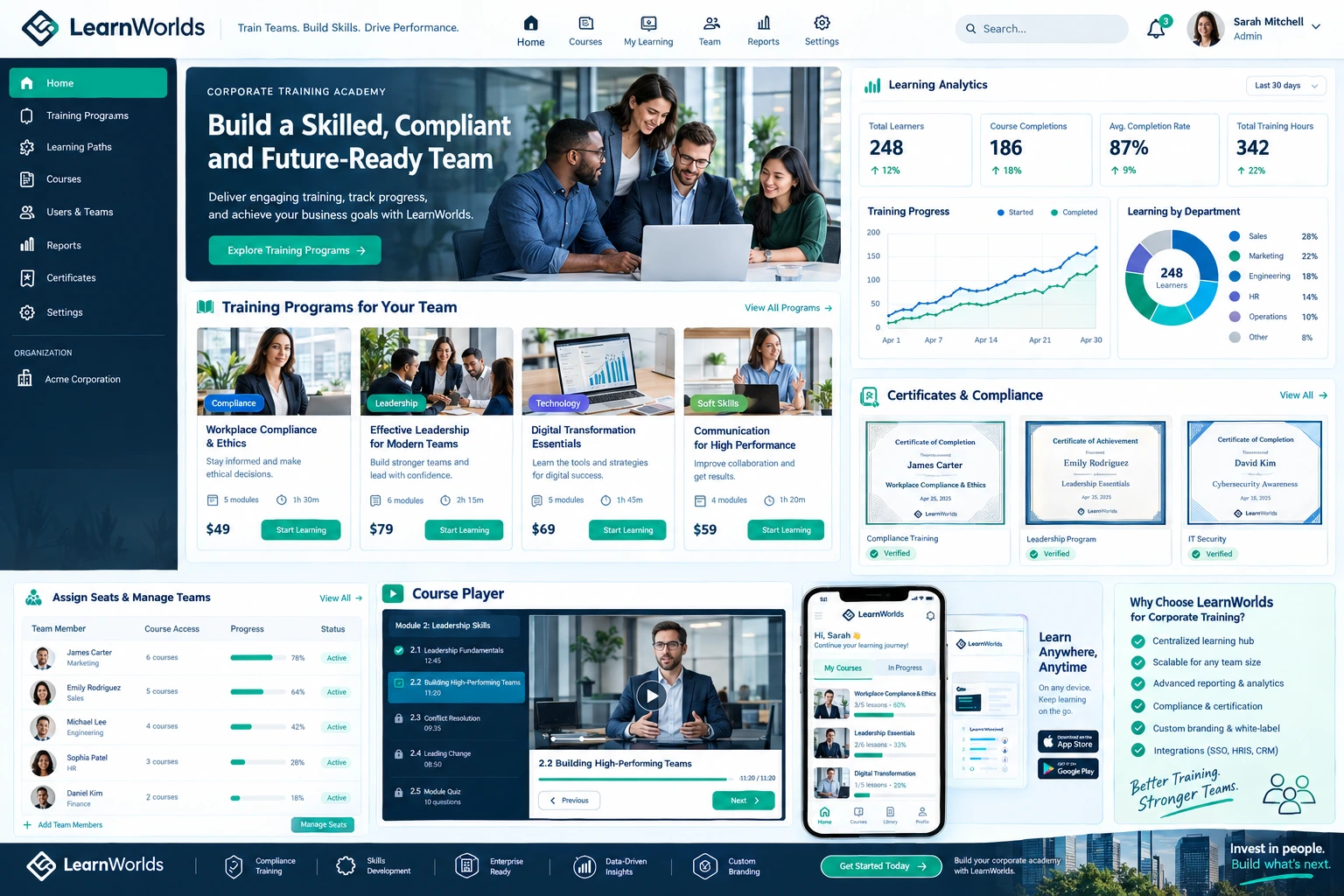
Learning management systems (or LMS) are platforms for creating, delivering, and tracking educational content. Popular options like Thinkific or LearnWorlds handle a lot out of the box.
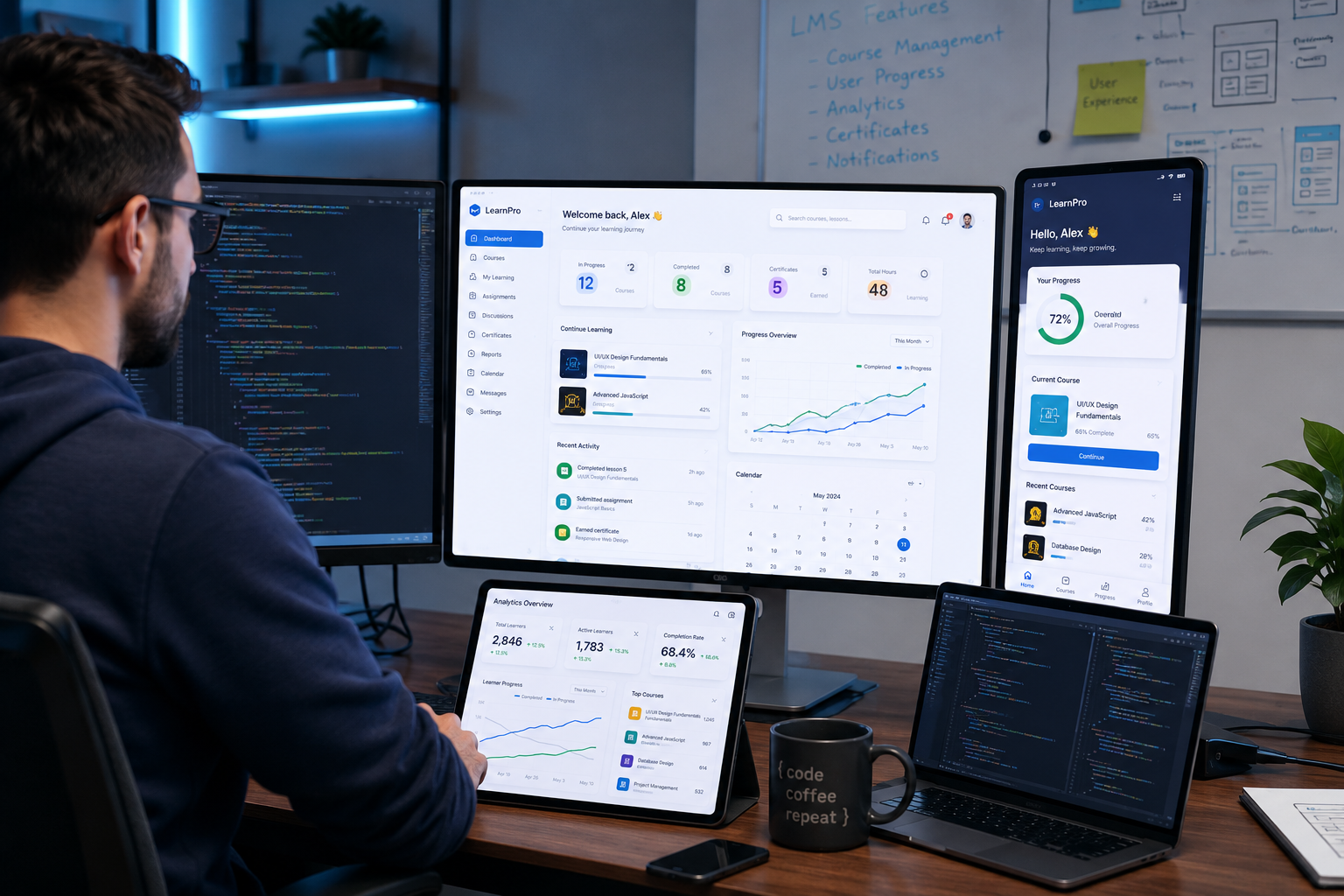
But many projects hit walls with limitations on branding, integrations, or unique features. That’s where a skilled LMS developer steps in. They build or extend systems that fit your exact workflow instead of forcing you to adapt.
From my work with clients at Digital Wind IT, I’ve seen custom learning content management system setups transform scattered training materials into organized, engaging experiences that actually drive results.
7 Reasons to Hire an LMS Developer
Here are the strongest reasons I’ve found after multiple projects.
1. Full Control Over Branding and User Experience
Ready-made platforms often lock you into templates and watermarks. An LMS developer builds a platform that feels like your own brand from day one.
Users stay longer when the interface matches your style. No more generic dashboards. Custom navigation, mobile responsiveness, and intuitive flows keep learners engaged instead of frustrated.
2. Seamless Integrations with Your Existing Tools
Most businesses already use CRMs, payment processors, HR systems, or marketing tools. Generic LMS platforms support some integrations, but rarely perfectly.
A developer can connect everything smoothly—whether it’s syncing user data with your email platform or pulling analytics into your main dashboard. This saves hours of manual work and reduces errors.
3. Advanced Features Tailored to Your Goals
Need adaptive learning paths, gamification, AI recommendations, or complex certification tracking? Most SaaS platforms offer basic versions, but custom development lets you go deeper.
For example, one client needed role-based access for different departments. We built it specifically, something that would have required heavy workarounds on platforms like Kajabi.
4. Better Scalability and Performance
As your audience grows, performance matters. Custom learning management systems handle thousands of users without the slowdowns or extra fees that some hosted solutions impose.
Developers optimize databases, load times, and server architecture for your specific usage patterns. This future-proofs your investment.
5. Enhanced Security and Compliance
Data privacy is critical, especially with student or employee information. Custom builds let you implement exact security measures, GDPR compliance, or industry-specific standards that generic platforms may not cover fully.
An experienced LMS developer knows how to set up proper authentication, encryption, and audit logs from the start.
6. Cost Efficiency Over Time
Yes, upfront development costs more than a monthly SaaS subscription. But many clients discover lower long-term expenses. No recurring platform fees, no surprise charges when you exceed user limits, and fewer workarounds that waste staff time.
Data from various projects shows organizations can save significantly by switching to tailored e-learning after initial growth.
7. Faster Innovation and Updates
You control the roadmap. Need a new feature next quarter? Your developer implements it without waiting for a vendor’s update cycle. This agility keeps you ahead, especially in competitive online education markets.
Real-World Example: From Frustration to Growth
One entrepreneur I worked with ran a successful coaching business on a popular platform. She loved the ease at first but got stuck when she wanted custom progress reporting tied to her membership site and automated certificate generation based on multiple course completions.
We built a custom extension around her existing setup. Result? Completion rates jumped 40%, and she reduced support tickets because everything felt native. The investment paid for itself within months through higher retention and upsells.
Custom LMS vs. Platforms Like Thinkific or LearnWorlds: A Quick Comparison
| Aspect | Off-the-Shelf (e.g., Thinkific, LearnWorlds) | Custom LMS Development |
| Setup Time | Days | Weeks to months |
| Customization | Limited | Full control |
| Monthly Costs | Recurring + potential transaction fees | Mostly one-time + hosting |
| Scalability | Good up to a point | Excellent, tailored |
| Unique Features | Pre-built options | Built exactly to needs |
Off-the-shelf wins for quick launches with standard needs. Custom wins for differentiation and long-term ownership. Many successful creators eventually move toward hybrid or fully custom solutions as they grow.
Step-by-Step: How to Hire and Work with an LMS Developer
- Define Your Requirements Clearly — List must-have features, integrations, user numbers, and timeline. Be specific about pain points with current tools.
- Research and Shortlist Developers — Look for portfolios with LMS or e-learning projects. Check reviews and ask for references.
- Discuss Technical Stack — Good developers explain options (WordPress with custom plugins, Webflow, or full custom code) and recommend based on your goals.
- Start with MVP — Begin with core functionality. Launch, gather feedback, then iterate.
- Plan for Maintenance — Agree on ongoing support, updates, and security monitoring from the beginning.
- Test Thoroughly — Involve real users early to catch issues before full rollout.
Common Mistakes to Avoid When Building Custom Learning Management Systems
Even with a good developer, projects can stumble. Here are pitfalls I’ve seen (and helped fix):
- Vague Scope: Jumping in without detailed specs leads to scope creep and budget overruns. Document everything.
- Ignoring Mobile Experience: A huge portion of learning happens on phones. Prioritize responsive design.
- Poor Data Migration: Moving existing courses and user progress requires careful planning.
- Skipping User Training: Even the best system fails if people don’t know how to use it. Plan onboarding sessions.
- Choosing the Wrong Tech Stack: Some frameworks scale poorly. Experience matters here.
At ShihabMorshed.com, we always emphasize clear communication and phased delivery to avoid these issues.
FAQ: Hiring an LMS Developer
How much does it cost to hire an LMS developer?
Costs vary widely—from $5,000 for simpler customizations to $50,000+ for complex enterprise systems. It depends on features and scope. Get detailed quotes based on your needs.
How long does custom LMS development take?
A minimum viable product might take 2-4 months. Full-featured platforms can take 6-12 months. Good developers provide realistic timelines upfront.
Is a custom learning management system better than Thinkific or Kajabi?
It depends. For unique needs, heavy branding, or specific integrations, yes. For standard online courses, platforms like Thinkific or LearnWorlds are often faster and cheaper initially.
What skills should an LMS developer have?
Look for experience with web development (PHP, JavaScript, React/Node), database design, e-learning standards (SCORM/xAPI), and security best practices.
Can I start with a ready-made platform and add custom development later?
Absolutely. Many projects begin with WordPress or similar and extend with custom plugins. This hybrid approach works well.
What if I need ongoing maintenance?
Most developers offer maintenance packages. Plan for regular updates, security patches, and feature additions.
Ready to Build Something Better?
Hiring an LMS developer gives you ownership, flexibility, and a platform that truly serves your vision—whether for learning management systems or a full learning content management system.
If you’re tired of limitations and ready for a solution built around your goals, let’s talk. Share your project details and I’ll help you figure out the best path forward. Visit Digital Wind IT or reach out through my site to get started.
What challenges are you facing with your current learning setup? Drop a comment below—I read and reply to them all