I’ve spent years helping creators and small businesses launch online learning platforms. One lesson stands out: a plain learning management system just sits there collecting digital dust. Millennials and Gen Z learners expect more—they grew up swiping through TikTok, collaborating on Discord, and learning skills from YouTube at 2x speed.
If you’re building or upgrading a learning content management system, the goal isn’t just delivering information. It’s creating experiences that feel relevant, fun, and worthwhile. In this post, I’ll share what actually works based on projects I’ve worked on and platforms I’ve studied closely.
You’ll walk away with clear steps, real tactics, and pitfalls to avoid so your LMS doesn’t just exist—it thrives.
Why Traditional Learning Management Systems Fail Younger Audiences
Most older learning management systems were built for corporate compliance training or university classrooms. Think long video lectures, clunky navigation, and zero personality.
Millennials want purpose and flexibility. Gen Z demands instant value, social connection, and mobile perfection. According to various industry reports, attention spans are short, but willingness to engage deeply is high when the format matches their lifestyle.
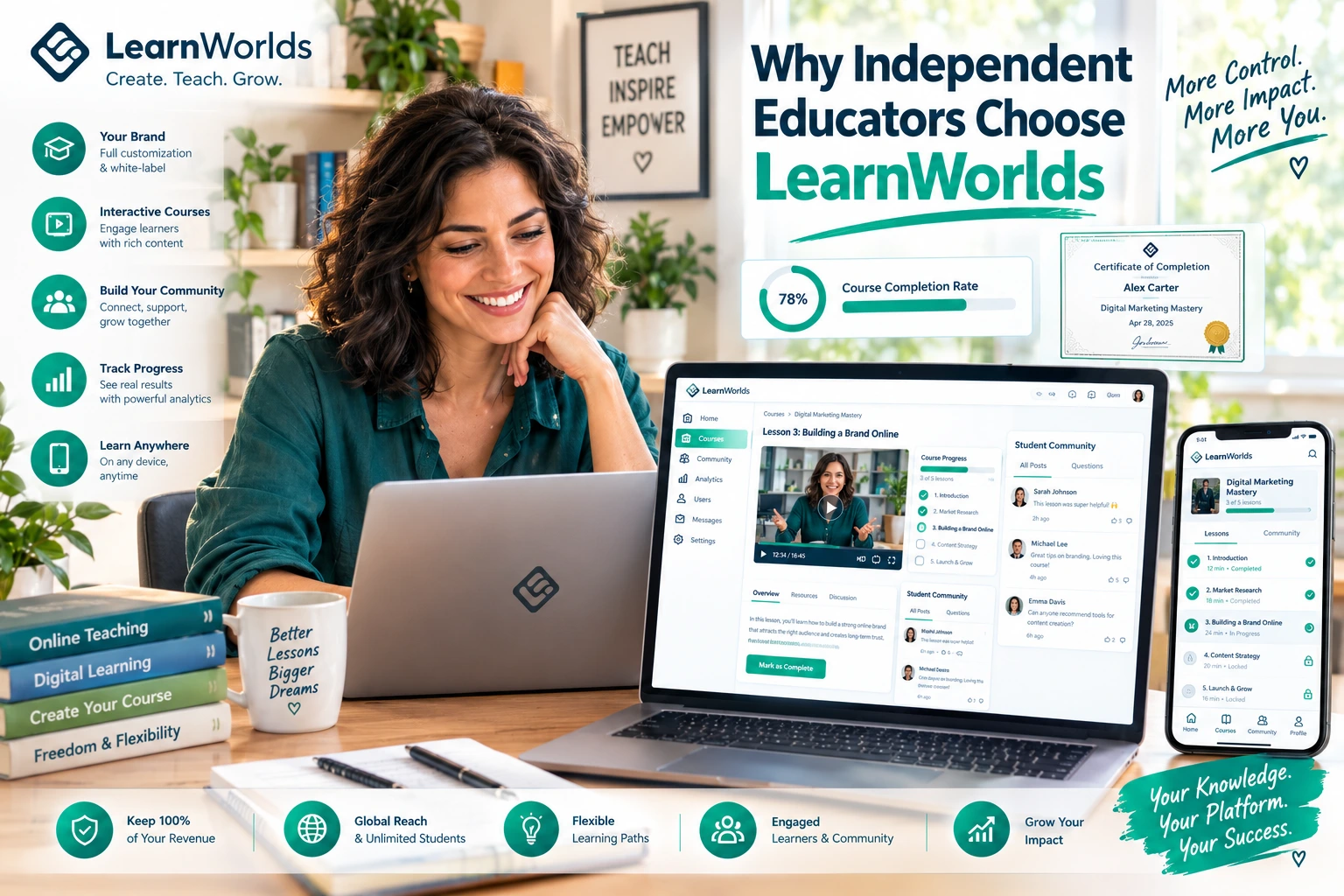
A good engaging LMS respects their time and preferences: short bursts of learning, interactive elements, progress they can show off, and community.
Key Features That Make an LMS Truly Engaging
Focus on these elements to stand out.
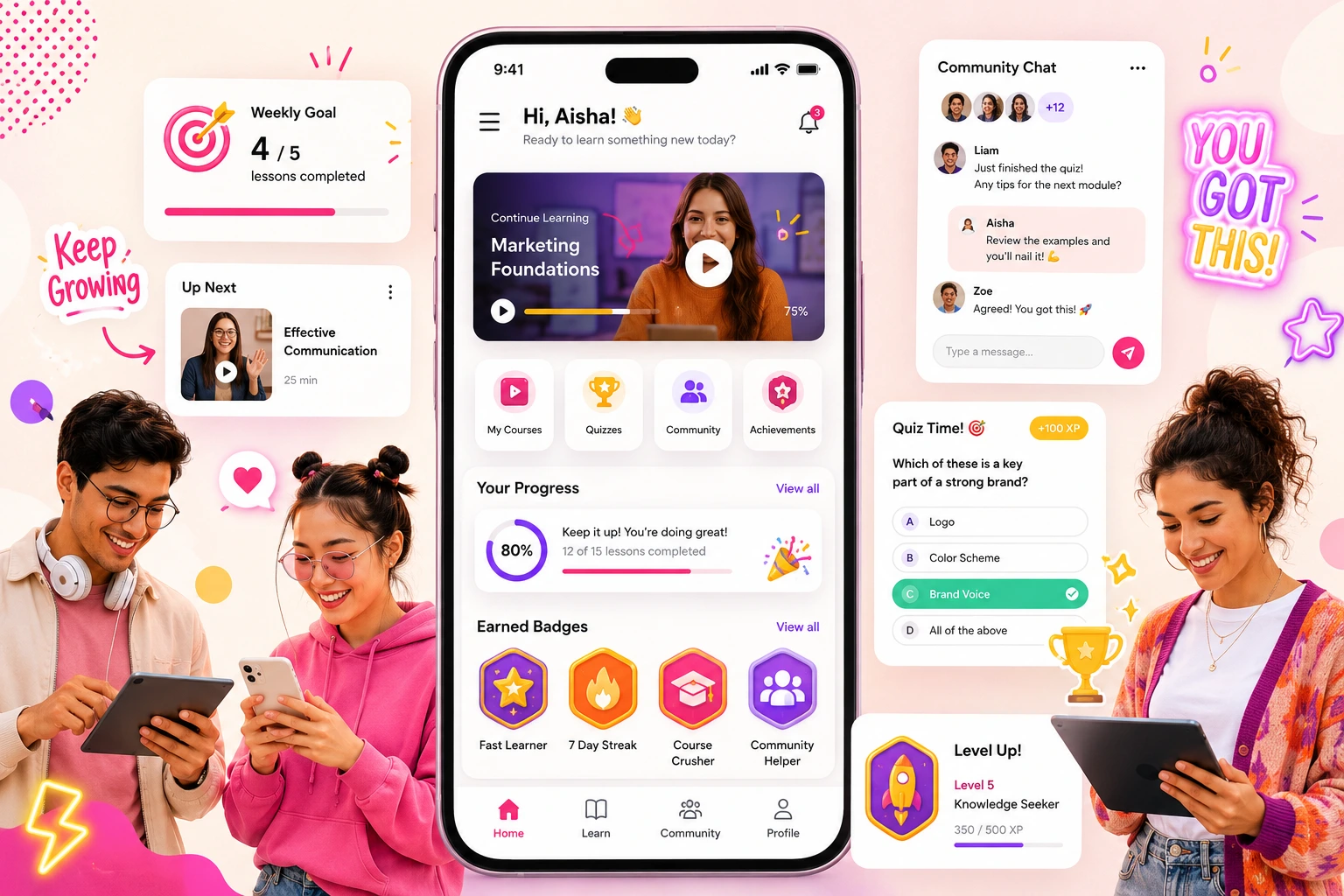
Mobile-First Design and Bite-Sized Content
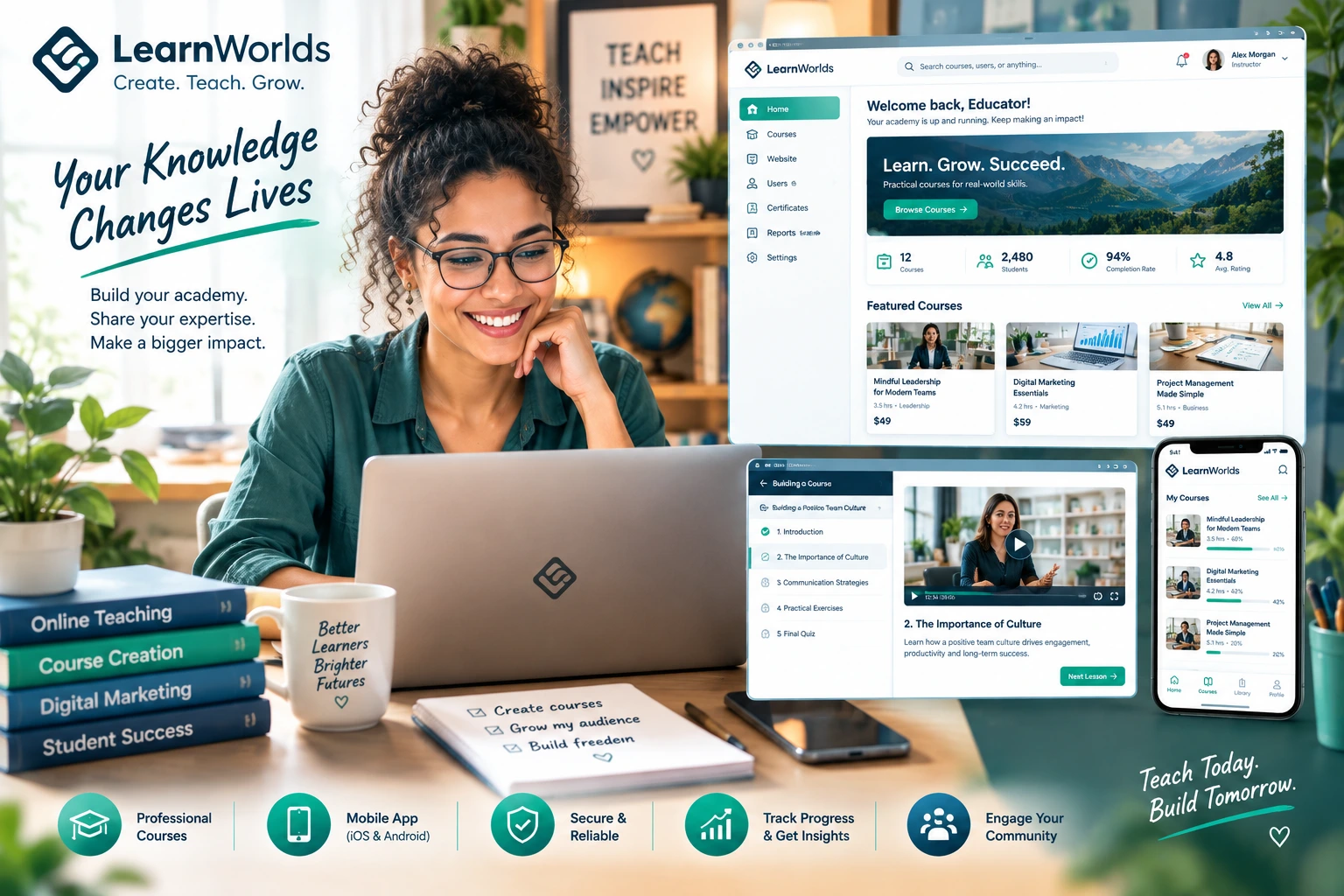
Younger users rarely sit at desks for hours. Your LMS must work flawlessly on phones. Microlearning—5 to 15-minute modules—wins here.
Think quick wins like a 7-minute video followed by a quick quiz or challenge. This keeps momentum without overwhelming schedules.
Gamification and Social Elements
Badges, points, leaderboards, and streaks aren’t gimmicks when done right. They tap into competition and achievement that Millennials and Gen Z respond to.
Add discussion forums, peer feedback, or live sessions. Social learning turns solitary courses into community experiences.
Personalization and Interactive Tools
Use simple quizzes at the start to recommend paths. Interactive elements—drag-and-drop exercises, simulations, branching scenarios—beat passive watching every time.
Comparison insight: Platforms like Thinkific and LearnWorlds show higher completion rates (often 20-40% better) when they prioritize these over basic video hosting.
The Business Impact of an Engaging Learning Management System
An engaging LMS isn’t just nice for learners—it transforms your business. Higher completion rates mean better reviews and referrals. Satisfied students become loyal customers who buy advanced courses or coaching.
In my experience working with creators, platforms that feel modern convert better and support higher pricing. You can monetize through subscriptions, one-time courses, or memberships more effectively when retention is strong.
For service providers, it also builds authority. Students see you as the expert who “gets” them.
Step-by-Step Guide to Creating Your Engaging LMS
Here’s the practical process I’ve used successfully.
- Define Your Audience and Goals Be specific. Are you teaching digital marketing to side-hustle Millennials or creative skills to Gen Z? List their pain points and desired outcomes.
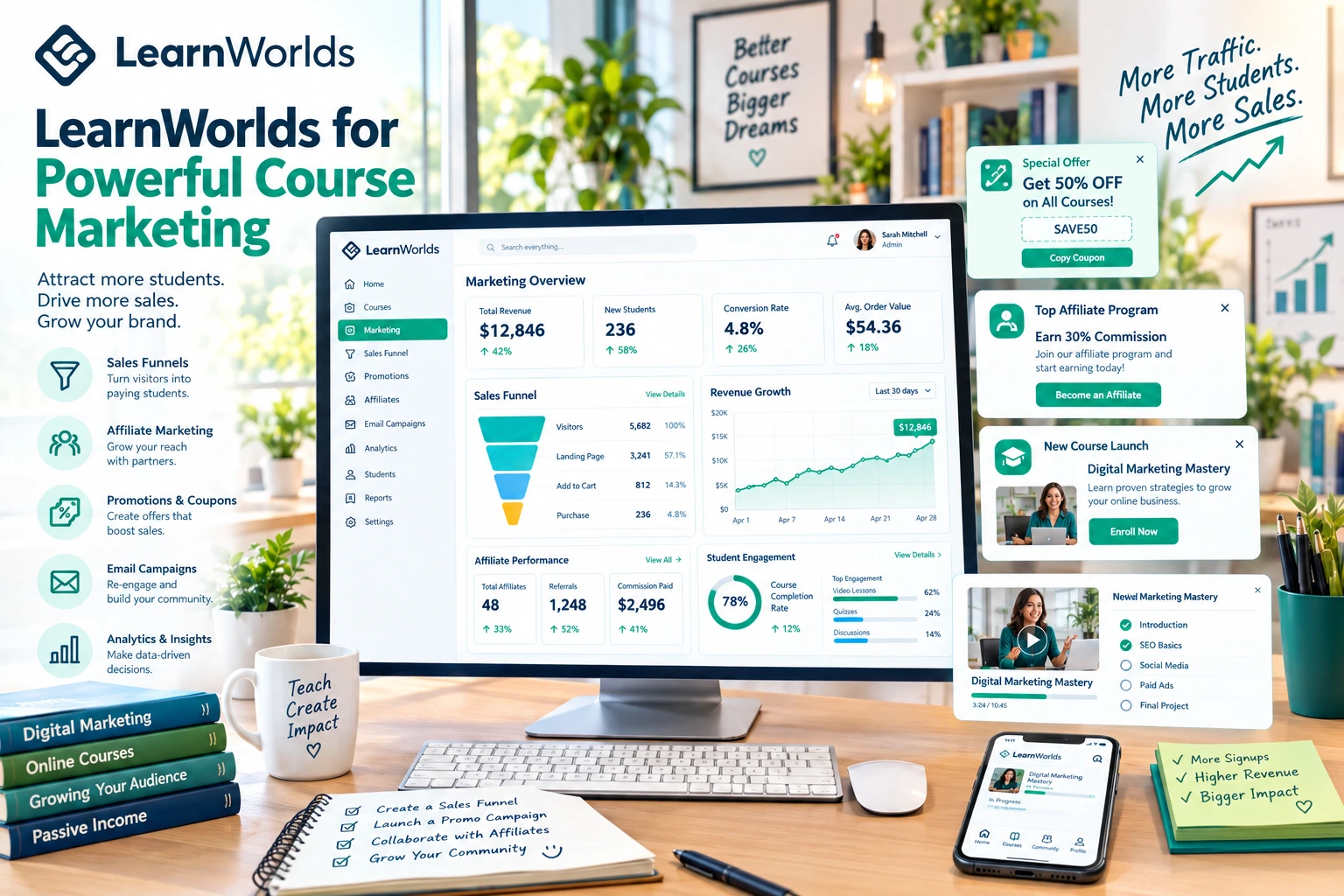
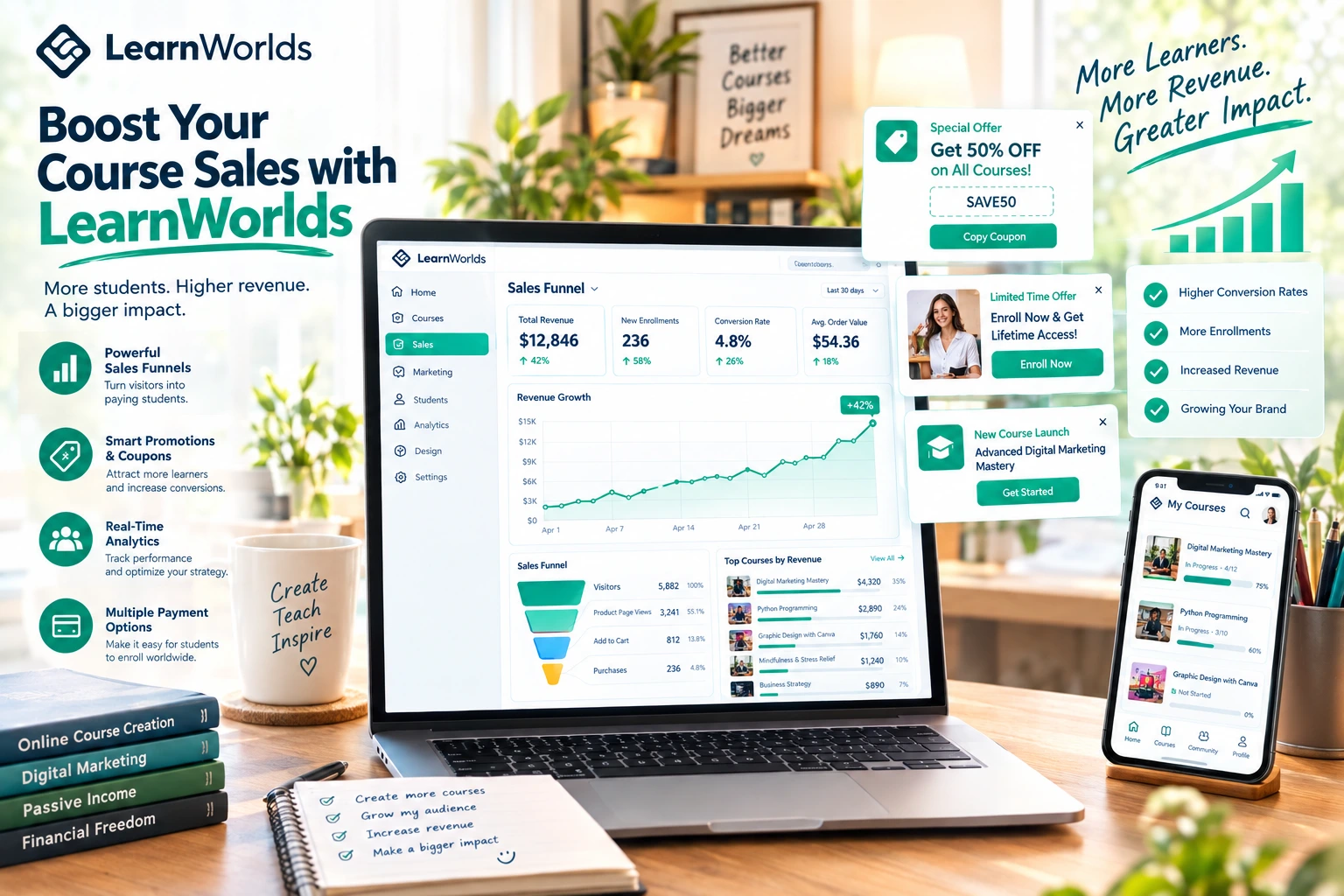
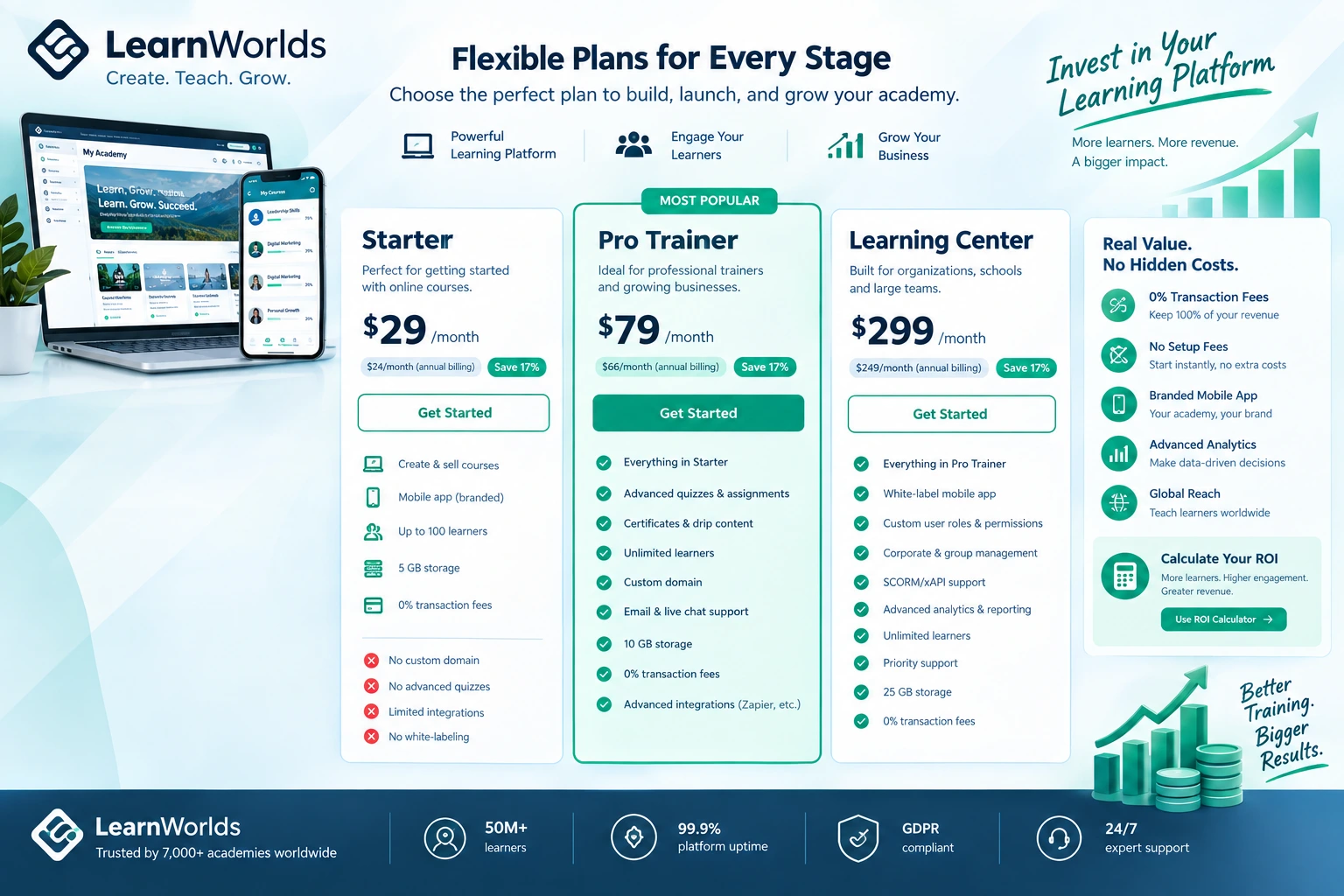
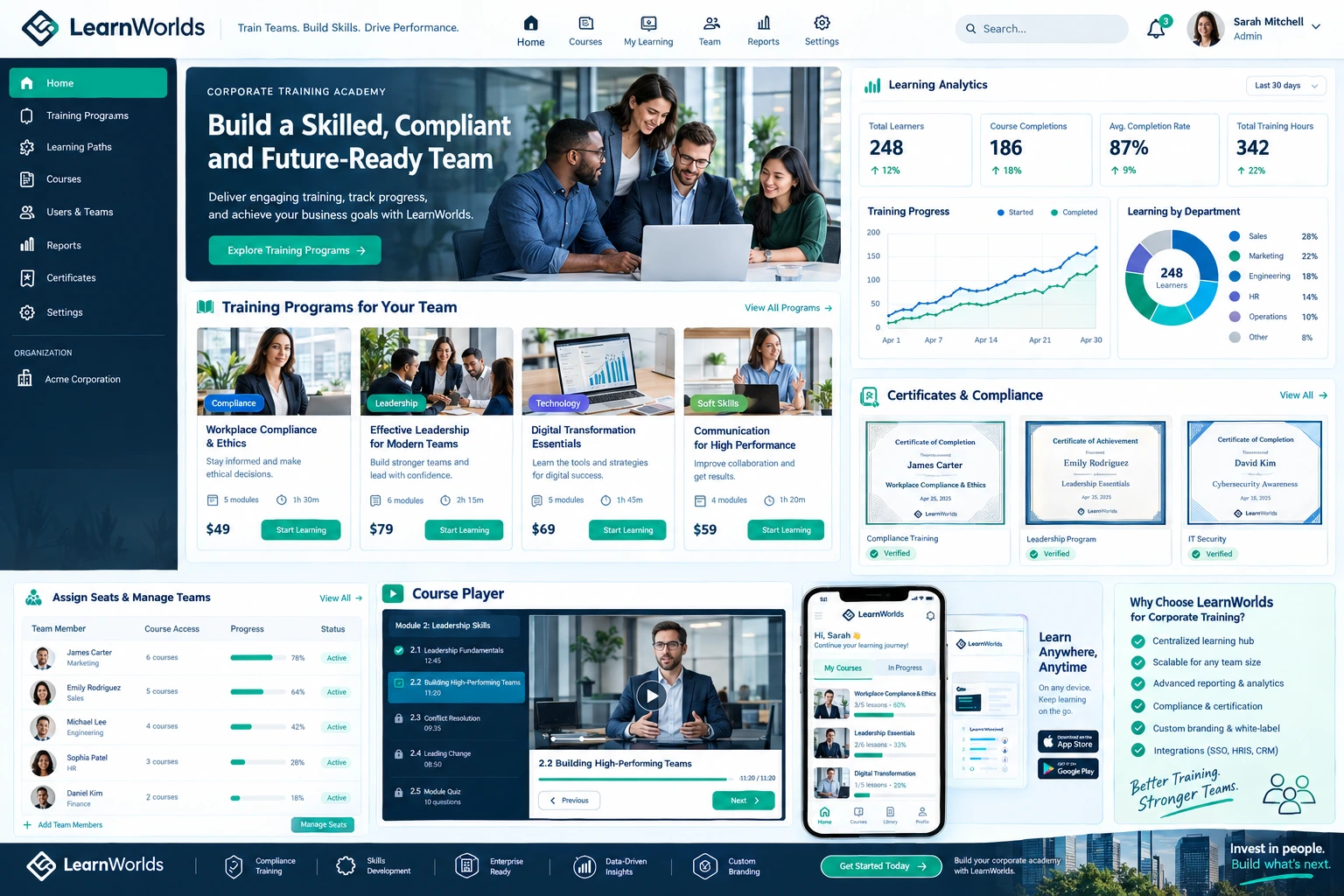
- Choose the Right Platform Foundation Don’t code everything from scratch unless you have a big team. Start with user-friendly options like WordPress with LMS plugins, or dedicated platforms. Check LearnWorlds for strong engagement tools.
- Design Intuitive Navigation and Branding Keep it clean. Use familiar mobile patterns. Match your brand colors and tone so it feels like an extension of your personal site .
- Create Content in the Right Format Mix videos, text, infographics, and interactives. Record short, energetic videos. Add transcripts for accessibility.
- Add Engagement Layers Implement quizzes, certificates, discussion prompts, and gamification. Test what resonates.
- Test, Launch, and Iterate Run a beta with a small group. Gather feedback on usability and content. Use analytics to improve.
For more on building digital experiences, explore resources at digitalwindit.com.
Common Mistakes and Troubleshooting Tips
Even experienced builders slip up. Here are frequent issues I’ve seen:
- Overloading with features: Start simple. Too many bells and whistles confuse users. Add gradually based on feedback.
- Ignoring mobile testing: Always test on real devices. Desktop previews lie.
- Boring content: Long walls of text kill momentum. Break it up.
- No community: Launch with some seeded discussions or your own participation to spark interaction.
- Poor analytics tracking: Set up proper tracking early so you know drop-off points.
If engagement is low, check session recordings (if your platform supports it) or send quick surveys.
FAQ: Building an Engaging LMS
What makes an LMS engaging for Gen Z specifically?
Short, visual content, social features, gamification, and mobile optimization. They value authenticity and quick, applicable skills.
Do I need to build a custom LMS from scratch?
No. Start with platforms like Thinkific or WordPress-based solutions and customize. Custom development makes sense only at scale.
How important is gamification in a learning management system?
Very, when it supports learning goals. It boosts motivation and completion without feeling forced.
Can a small creator compete with big platforms?
Absolutely. Personal touch, niche expertise, and genuine community often outperform generic corporate learning management systems.
What tech stack works best for beginners?
WordPress with LMS plugins is accessible. For more polish, explore no-code options or dedicated course platforms.
How do I measure success beyond enrollment numbers?
Track completion rates, time spent, feedback scores, and post-course actions like testimonials or upsells.
Ready to Build Your Engaging LMS?
Creating a learning content management system that Millennials and Gen Z actually love takes intention, but the payoff is huge—loyal students, better results, and a stronger business.
You’ve got the knowledge now. Start small, focus on your learners’ real needs, and keep improving based on what you see.
If you’re serious about launching or optimizing your platform, head over to shihabmorshed.com or digitalwindit.com for more hands-on guidance. I’d love to hear how your LMS journey goes—drop a comment or reach out.