I’ve spent years helping businesses move beyond basic templates and clunky plugins. One thing I’ve learned the hard way: a beautiful website today can become a nightmare tomorrow if it wasn’t built to grow. That’s where a Webflow expert makes all the difference.
Whether you’re a founder launching your first serious site or an established brand ready to expand, working with the right Webflow developer or Webflow agency turns your vision into a platform that actually supports your growth instead of fighting it. In this post, I’ll walk you through what that role really looks like, the concrete benefits, and how to make the process work for you.
What a Webflow Expert Actually Brings to the Table
A Webflow expert is more than someone who knows the interface. They combine design intuition, technical architecture knowledge, and a deep understanding of how websites perform at scale.
From my experience, the best ones think like both designers and engineers. They build responsive, lightning-fast sites using Webflow’s visual tools while adding custom code only where it truly adds value. This hybrid approach prevents the common trap of pretty designs that break under real traffic or content volume.
Unlike traditional development that often requires months of back-and-forth with developers, a skilled Webflow developer delivers faster iterations while maintaining enterprise-level quality. They handle everything from clean CMS structures to performance optimization and SEO foundations right from the start.
The Real Benefits of Partnering with a Webflow Agency or Expert
Scalability isn’t just about handling more visitors. It’s about adapting quickly as your business evolves without rebuilding from scratch.
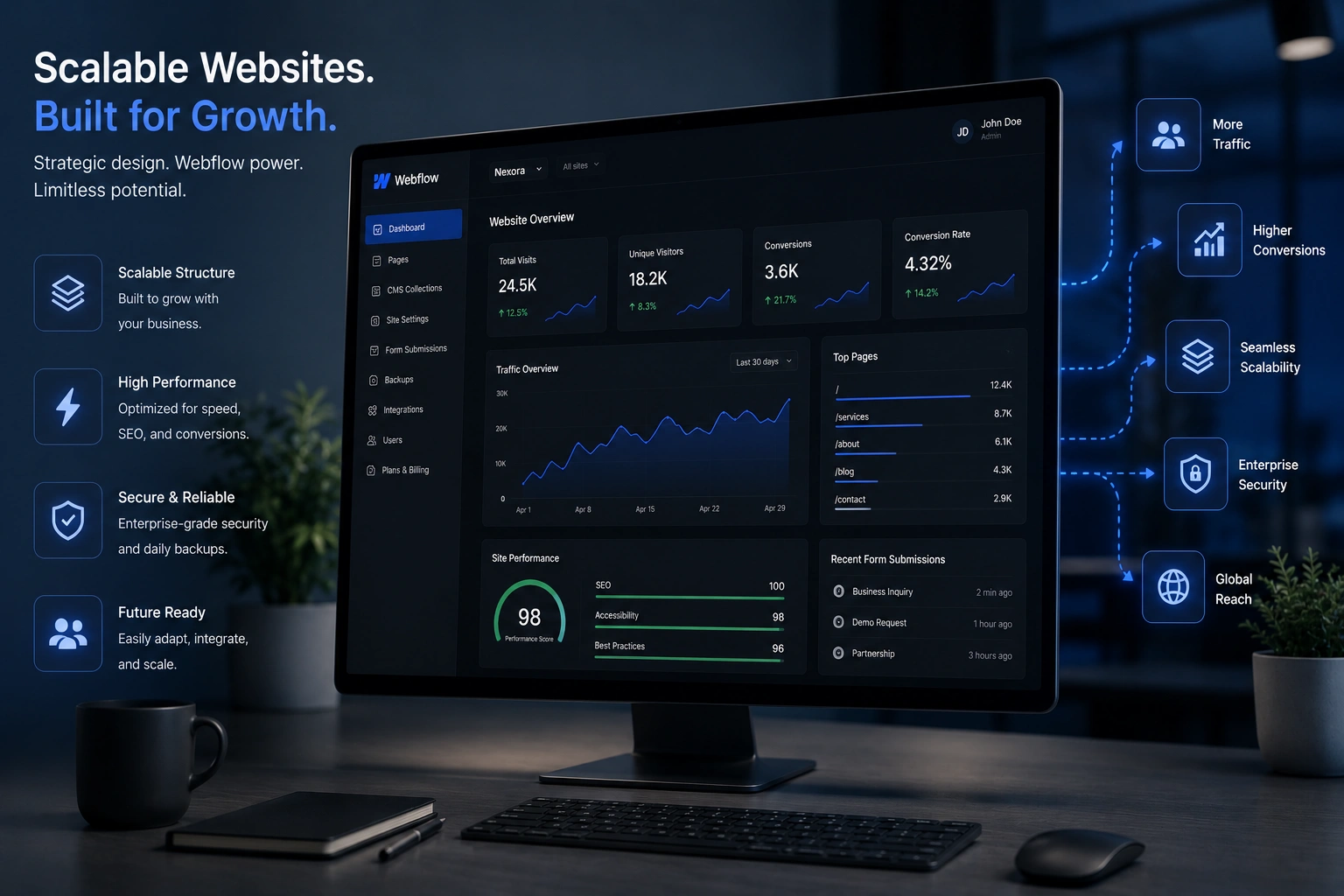
Webflow experts deliver sites that stay fast even as you add hundreds of pages, new features, or complex CMS collections. Webflow’s hosting is built on a robust CDN infrastructure, which means better load times and reliability compared to many self-hosted solutions.
In one project I worked on, a client came from a heavily customized WordPress site that slowed to a crawl after adding new content sections. After migrating to a properly architected Webflow setup, page speed improved dramatically, and content updates that used to take days now happen in hours.
Here’s a quick comparison based on real client feedback and my own builds:
- Webflow shines in visual control, built-in performance, and low maintenance. No constant plugin updates or security patches.
- WordPress (great for blogging and extreme customization) often requires more ongoing technical care as it grows.
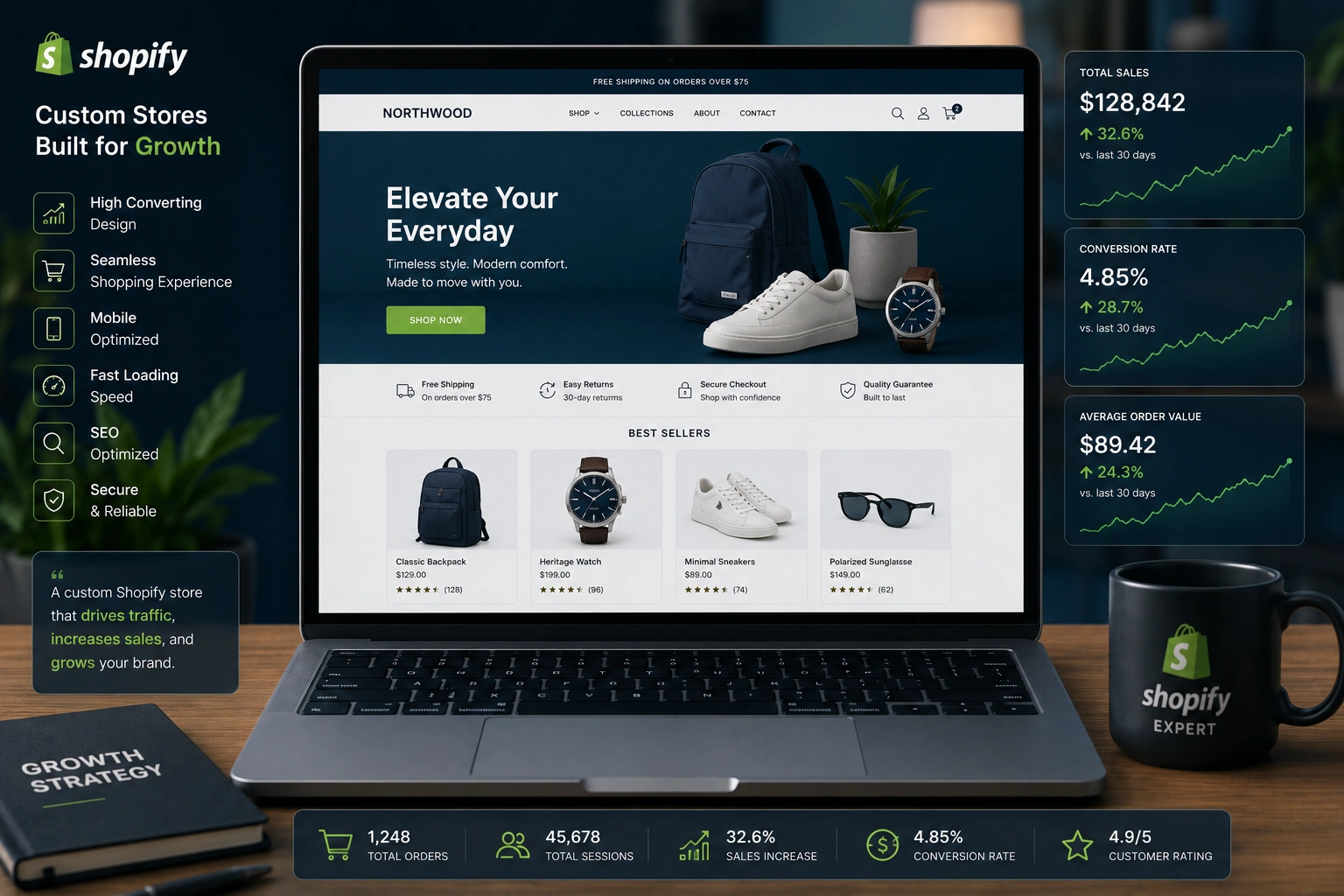
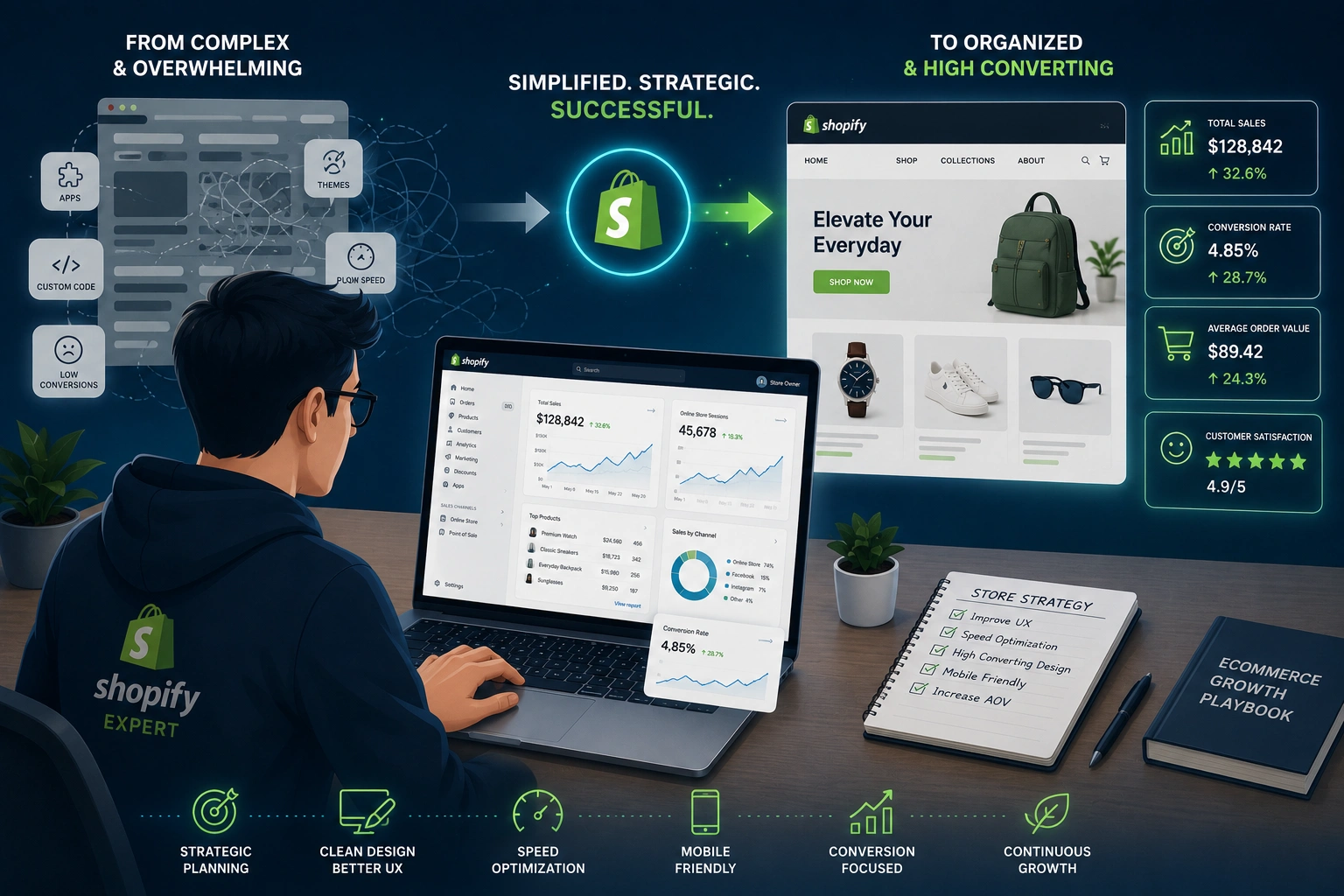
- Shopify wins for pure ecommerce but can feel limiting for complex marketing sites.
A good Webflow agency helps you choose the right path instead of forcing everything into one tool.
How Webflow Experts Drive Business Growth and Monetization
Scalable sites directly impact revenue. Faster loading pages improve conversions. Clean CMS structures let marketing teams publish content independently. Custom interactions and animations keep visitors engaged without sacrificing performance.
I’ve seen brands use Webflow to launch membership sites, course platforms, and complex service funnels that integrate smoothly with tools like Kajabi or Thinkific. The flexibility means you can test new ideas quickly and scale winners without technical debt.
For example, an education client I helped wanted to expand from a simple landing page to a full resource hub with dynamic filtering. A Webflow expert built a smart CMS collection with filters and interactions that felt custom-built but required zero ongoing developer support for basic updates.
Step-by-Step: How a Webflow Expert Builds a Scalable Site
Here’s the practical process I typically follow with clients:
- Discovery & Strategy — We map your current and future needs. What content types will grow? How many team members need access? What integrations matter?
- Architecture Planning — Design a clean structure using Webflow CMS collections, symbols, and components. This prevents messy overrides later.
- Design & Build — Create pixel-perfect, responsive designs with interactions. Focus on mobile-first and accessibility from day one.
- Performance Optimization — Optimize images, fonts, and code. Set up proper hosting and global CDN rules.
- Testing & Launch — Rigorous cross-browser and device testing, SEO implementation, and analytics setup.
- Handover & Training — Teach your team how to manage content confidently so you aren’t dependent on developers forever.
This structured approach saves months of headaches down the line.
Common Mistakes and How to Avoid Them
I’ve fixed plenty of problematic Webflow sites. The biggest issues usually come from:
- Treating Webflow like a simple drag-and-drop tool — Without proper architecture, sites become unmanageable as they grow.
- Hiring based on price alone — Cheap “Webflow developers” often deliver fragile designs that need expensive fixes later.
- Ignoring responsive design and SEO foundations — Mobile traffic dominates, and poor structure hurts rankings.
- Over-relying on custom code — Good experts use Webflow’s native power first and code strategically.
The solution? Vet portfolios for actual scalable projects, ask about their process, and check references. A true Webflow expert will happily discuss long-term maintainability.
Frequently Asked Questions
How much does hiring a Webflow expert cost?
It varies widely based on scope, but expect investment similar to quality custom development. The long-term savings in maintenance and speed usually make it worthwhile.
Can a Webflow site really scale like a custom-coded one?
Yes, especially for most marketing, service, and content-heavy sites. For extremely complex web apps, hybrid approaches work best.
What’s the difference between a Webflow developer and a Webflow agency?
Freelance developers are great for focused projects. Agencies bring teams with specialized skills for larger or ongoing needs.
How long does it take to build a scalable Webflow site?
Typically 4-12 weeks depending on complexity. Much faster than traditional development.
Is Webflow good for ecommerce?
It’s excellent for design-focused stores with moderate catalogs. For very large inventories, many combine it strategically with Shopify.
Do I still need a developer after launch?
With proper training and structure from a Webflow expert, most teams handle day-to-day updates themselves.
Building for the Long Term
A Webflow expert doesn’t just build you a pretty website. They create a flexible foundation that grows with your ambitions while staying fast, secure, and easy to manage.
If you’re tired of fighting your current platform or starting from scratch, the right partnership can change everything. I’ve helped many businesses make this transition successfully, and the results speak for themselves.
Ready to build something that scales? Check out my work at Shihab Morshed or explore services through Digital Wind IT. Let’s talk about your project and see how Webflow can support your next phase of growth.