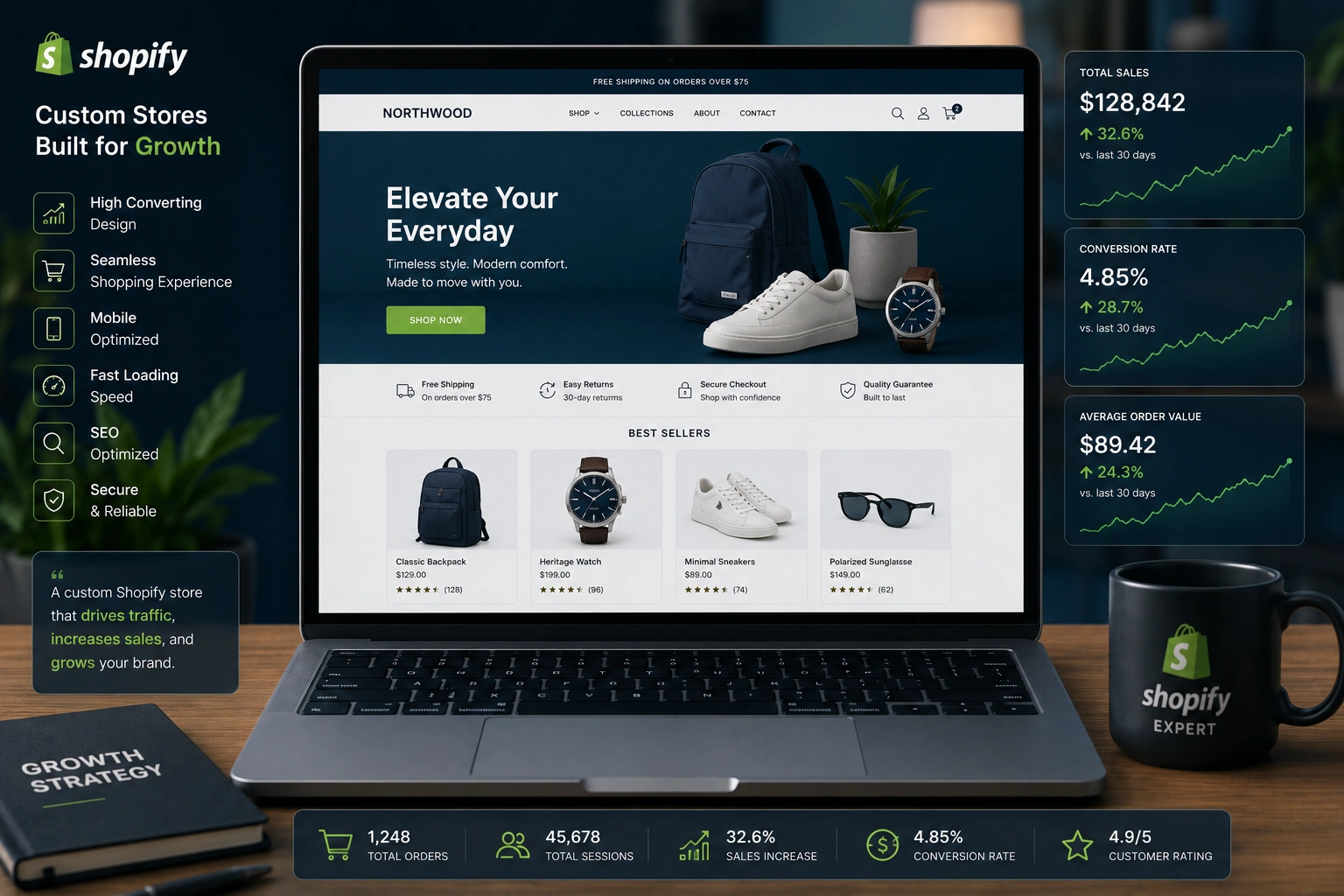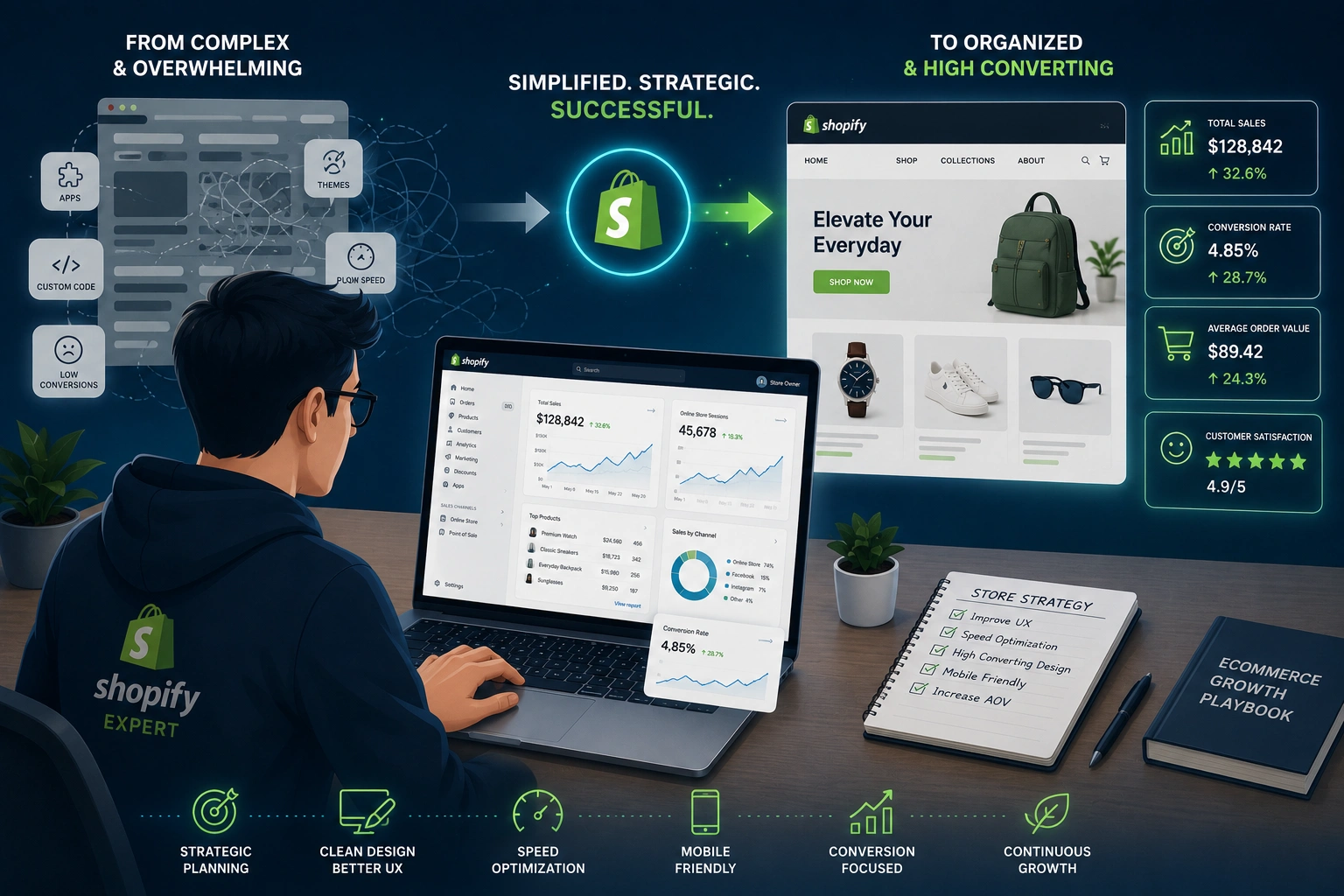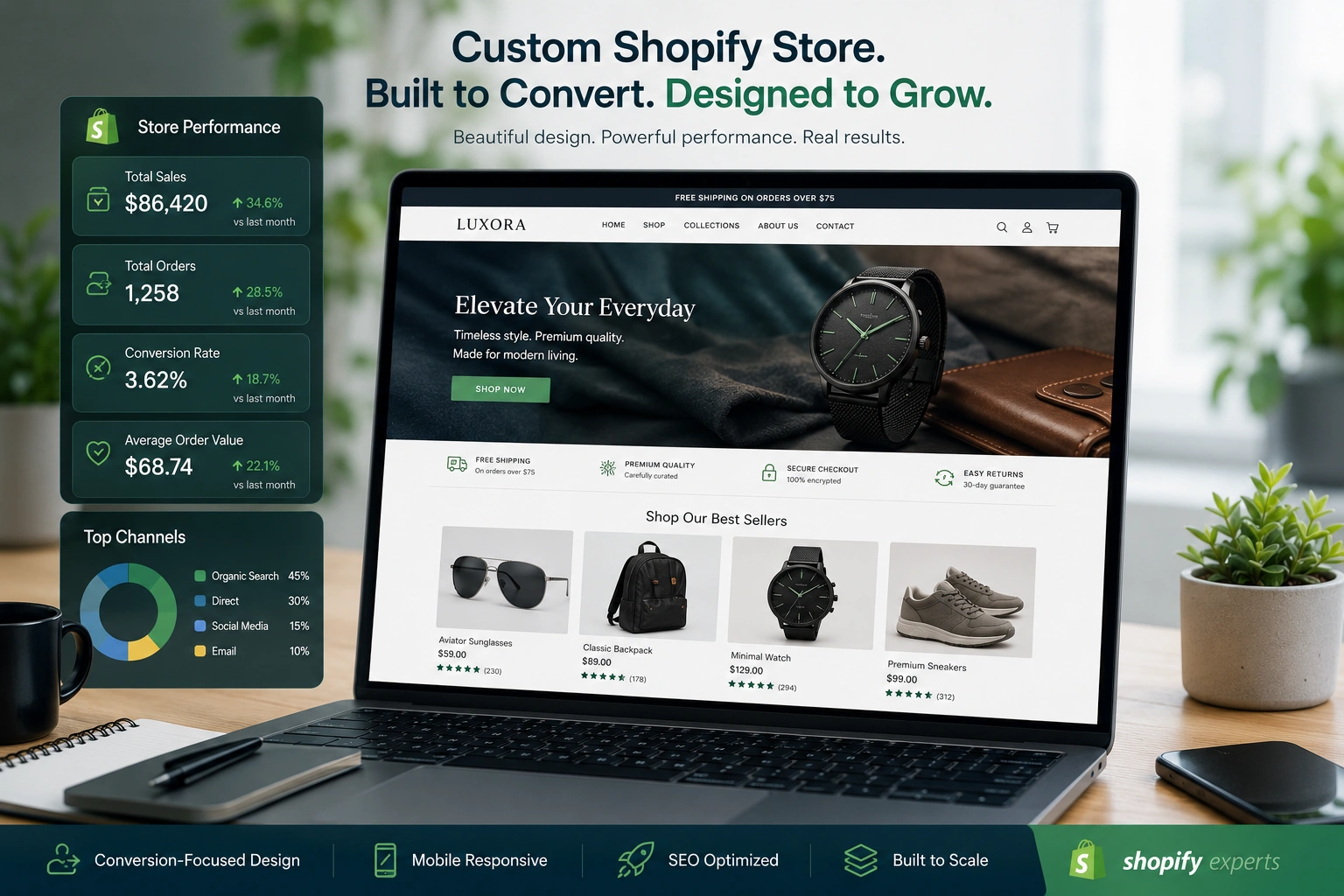
I’ve spent years helping entrepreneurs set up and optimize their online stores. One thing stands out every single time: a basic Shopify setup rarely delivers the results people hope for. When you bring in a Shopify expert to create a truly custom store, everything changes—speed, trust, conversions, and ultimately sales.
In this post, I’ll walk you through exactly how a custom Shopify store drives real revenue growth, especially for Shopify dropshipping businesses. You’ll get practical steps I’ve used with clients, common pitfalls to avoid, and honest insights from the trenches.
Whether you’re just starting or struggling with an existing store, this will help you decide if investing in professional Shopify support and customization is the right move.
What Makes a Custom Shopify Store Different from Templates
Most beginners launch with one of Shopify’s free or cheap themes and call it a day. It looks decent at first, but problems quickly appear: slow loading times, poor mobile experience, clunky navigation, and generic design that fails to build trust.
A custom Shopify store built by a Shopify expert is tailored to your brand, products, and target audience. This means:
- Faster page speeds (critical for keeping visitors)
- Unique layouts that guide users toward purchase
- Seamless integration of dropshipping tools and apps without conflicts
- Built-in conversion elements like smart upsells, trust signals, and personalized recommendations
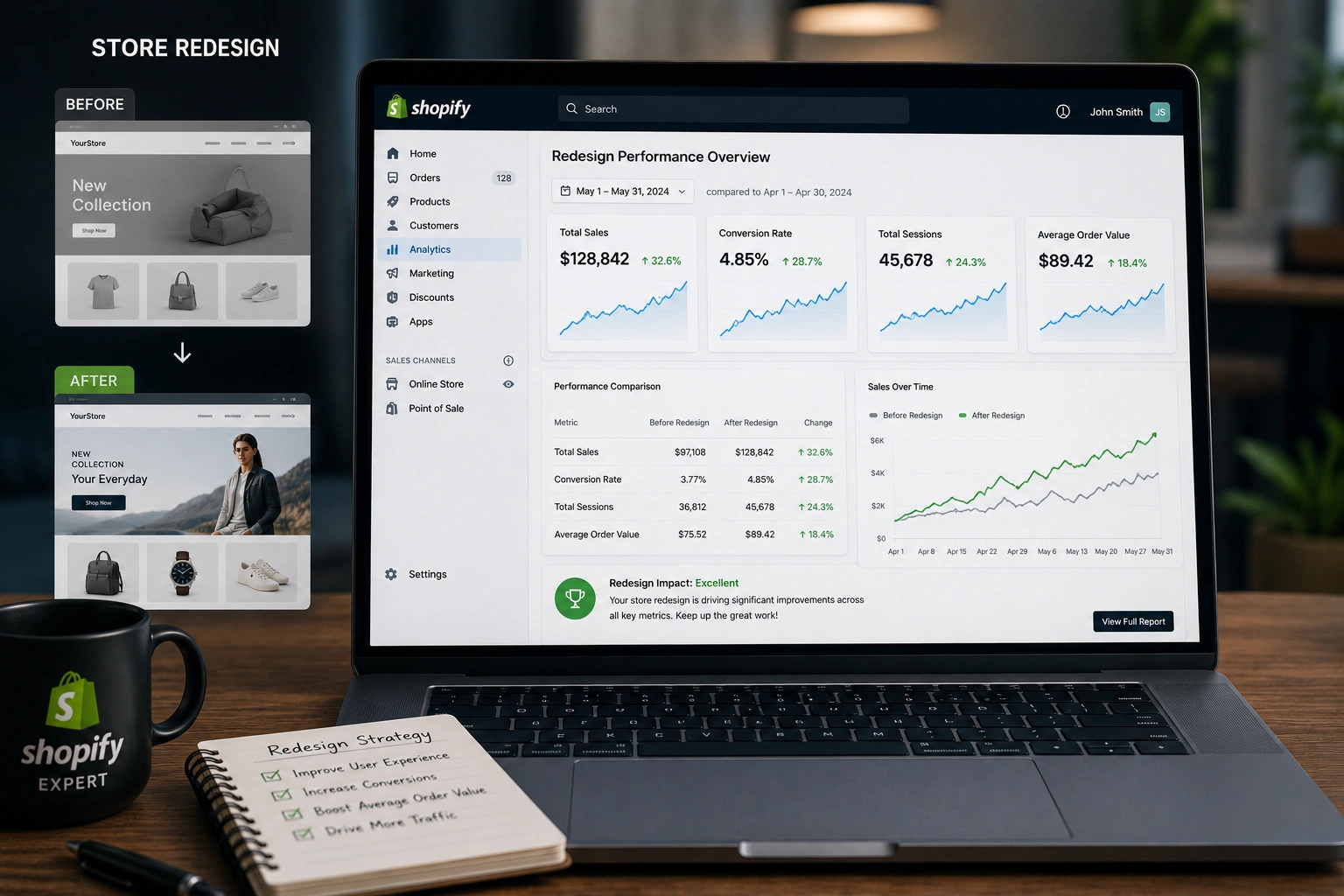
I’ve seen stores jump from 1% to over 3% conversion rates after a proper custom redesign. That’s not magic—it’s the result of deliberate design and optimization.
Core Benefits: How Customization Directly Boosts Sales
Custom work pays off in several measurable ways.
First, user experience. Shoppers on mobile (the majority) abandon slow or confusing sites instantly. A custom build ensures lightning-fast performance and intuitive flow. One client’s Shopify dropshipping store saw cart abandonment drop by nearly 40% after we optimized the checkout and product pages.
Second, brand trust and differentiation. In a sea of similar dropshipping stores, a polished, professional custom design makes you look established. Customers feel safer buying from you.
Third, conversion optimization. A Shopify expert knows where to place urgency elements, exit-intent offers, and social proof without overwhelming the visitor. We can also integrate advanced features like AI-driven product recommendations or one-click upsells that generic themes don’t support well.
Data from various ecommerce reports consistently shows that well-designed stores see higher average order values and repeat purchases. Personalization and speed are two of the biggest levers.
Real Impact on Your Business and Monetization
Let me share a quick example from my work. A client running a fashion accessories Shopify dropshipping store was stuck at a few hundred dollars monthly. The store looked okay but felt generic. After a custom rebuild—faster loading, better product imagery presentation, improved navigation, and strategic upsell flows—the store hit consistent $8K–$12K months within six months. Traffic sources stayed roughly the same; conversions simply improved dramatically.
Compare that to using only templates and basic Shopify support. Many store owners waste money on ads while their site leaks conversions. A custom foundation turns ad spend into profit instead of just burning through it.
For scaling businesses, custom stores also make future growth easier. Adding new products, international shipping, or subscription models becomes straightforward instead of fighting against rigid templates.
Step-by-Step: Building a High-Converting Custom Shopify Store
Here’s the practical process I follow when working with clients:
- Discovery & Strategy — Understand your products, target customers, competitors, and goals. This includes keyword research for Shopify dropshipping success and defining unique selling points.
- Theme Customization or Custom Development — Start with a solid base theme and heavily modify it, or build from near-scratch for complex needs. Focus on speed, mobile-first design, and clear user journeys.
- Conversion-Focused Elements — Add trust badges, customer reviews, size guides, detailed descriptions, and strategic calls-to-action. Optimize product pages for quick add-to-cart.
- App Integration & Automation — Carefully select and integrate only essential apps for inventory, shipping, marketing, and analytics. Too many apps kill performance.
- Testing & Launch — Rigorous mobile and speed testing, checkout testing, and A/B testing key pages before going live.
- Ongoing Optimization — Monitor performance with Shopify analytics and make data-driven tweaks. This is where continuous Shopify support pays dividends.
Following these steps has helped multiple clients move from struggling launches to profitable, scalable operations.
Common Mistakes and Troubleshooting Tips
Even with good intentions, many store owners hit roadblocks. Here are the biggest ones I see repeatedly:
- Overloading with apps: This slows your site to a crawl. Solution: Audit and remove anything not essential.
- Ignoring mobile experience: Most traffic is mobile. Always test on real devices.
- Poor product photography and descriptions: Stock images and generic text kill trust. Invest in quality visuals.
- Launching before optimizing: Many rush to paid ads with an unfinished store. Fix the basics first.
- Neglecting SEO and site speed: Slow sites rank poorly and lose sales. A Shopify expert can implement proper technical optimizations.
If your store is already live but underperforming, start with a full audit: check load times (aim under 3 seconds), review bounce rates on key pages, and test the checkout flow yourself.
Frequently Asked Questions
How much does hiring a Shopify expert cost?
It varies widely depending on scope. Basic customizations might start a few thousand dollars, while full custom builds with advanced features cost more. The ROI usually comes quickly through higher sales.
Is a custom Shopify store necessary for dropshipping?
Not strictly necessary when starting, but it becomes crucial once you have traffic. Custom work helps convert that traffic efficiently and scale without constant firefighting.
How long does it take to build a custom Shopify store?
Typically 4–8 weeks for a solid professional build, including testing and revisions. Rushed jobs often create more problems later.
Can I maintain a custom store myself after launch?
Yes, with proper documentation and training. Many clients handle day-to-day updates while coming back for complex changes or optimizations.
What’s the difference between Shopify support and hiring an expert?
Shopify’s own support handles platform issues. A dedicated Shopify expert provides strategic design, development, and growth advice tailored to your business.
Will a custom store improve my SEO?
Absolutely. Faster load times, better structure, clean code, and optimized pages all help search performance. Combine this with good content and you have a strong foundation.
Ready to Take Your Store to the Next Level?
A custom Shopify store built with expert guidance isn’t just about looking better—it’s about making more sales consistently while reducing headaches. Whether you’re deep into Shopify dropshipping or exploring new opportunities, professional Shopify support and customization can be the difference between surviving and thriving.
If you’re serious about growing your online business, visit my site or check out our services at Digital Wind IT. Let’s discuss how we can build something that actually moves the needle for you.
For more on the platform itself, explore what Shopify offers and consider where customization fits your goals.
The stores that win long-term are the ones that invest in their foundation. Yours can be one of them.