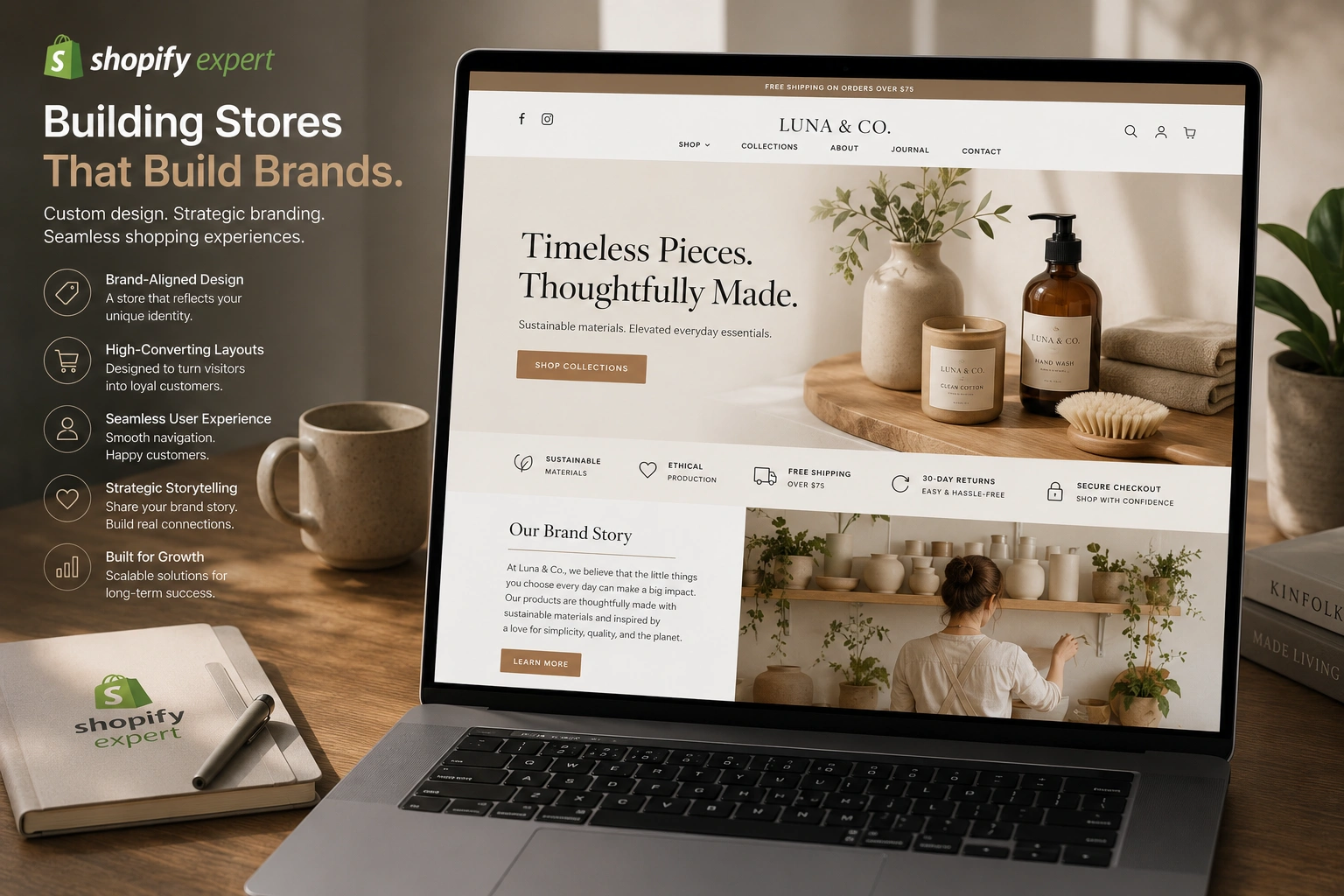
I’ve helped dozens of entrepreneurs set up their online stores, and the ones that stand out share one thing: their Shopify store feels like an extension of their brand, not just another generic shop.
Whether you’re launching a Shopify dropshipping business or building a premium eCommerce brand, a Shopify Expert can help align your store’s strategy, design, and customer experience. With the right guidance, you can create a high-performing Shopify store that not only attracts customers but also builds trust, loyalty, and long-term growth.
In this guide, I’ll walk you through exactly how I approach this as a Shopify Expert—from foundation to launch and beyond. You’ll get practical, experience-based steps you can use today.
Why Brand Alignment Matters More Than Ever on Shopify
A strong brand turns browsers into buyers and one-time customers into repeat fans. On Shopify, where competition is fierce, stores that look and feel authentic convert better and face less price pressure.
From my work, I’ve seen mismatched stores struggle with high bounce rates. When everything—from colors and fonts to product descriptions and checkout—matches your brand story, trust builds instantly.
Shopify support teams and the platform itself make customization accessible, but the real magic happens when you treat your store as a brand experience, not just a sales page.
Defining Your Brand Before Touching Shopify
Skip this and you’ll waste time redesigning later. Start with clarity.
- Core values and story: Write a one-sentence positioning statement. Who do you serve and why does it matter?
- Visual identity: Choose 3-4 colors, 2 fonts max, and a simple logo. Test how they feel on mobile.
- Target audience: Create one ideal customer profile. This guides product selection, tone, and imagery.
I always recommend spending a full day on this before signing up for Shopify. It saves headaches down the road.
Choosing the Right Shopify Setup for Your Brand
Shopify dropshipping works great for testing ideas without inventory, while curated products suit premium positioning. The platform handles both seamlessly.
A Shopify Expert can help you choose the right theme that matches your brand and business goals. While free themes like Dawn are excellent for clean, minimal stores, premium themes often provide greater flexibility and advanced customization. A Shopify Expert will also recommend avoiding heavy page builders in the early stages to keep your store fast, responsive, and optimized for conversions.
Connect your custom domain early. It reinforces professionalism and helps with SEO.
Step-by-Step: How to Create Your Brand-Aligned Shopify Store
Here’s the exact process I follow with clients:
- Sign up and basic setup – Start your Shopify trial. Choose a theme close to your style. Set up your domain and basic navigation.
- Customize design elements – Upload your logo, set brand colors in theme settings, and adjust fonts. Create a homepage that tells your story first, then showcases products.
- Add products thoughtfully – For Shopify dropshipping, use reliable apps to source items that fit your brand promise. Write descriptions in your unique voice. Use high-quality, consistent photography.
- Build key pages – About page, contact, policies. Make them personal and on-brand. Add trust signals like reviews or guarantees.
- Set up essential apps – Only install what you need: email marketing, analytics, and one or two dropshipping tools. More apps often mean slower load times.
- Test and optimize – Check mobile experience, checkout flow, and speed. Get real feedback before launch.
This structured approach typically gets a store live in 1-2 weeks while keeping everything cohesive.
Real-World Example: From Generic to Distinctive
One client came to me with a standard Shopify dropshipping store selling wellness accessories. The design was clean but forgettable. We redefined their brand around “mindful everyday rituals,” shifted to warm earth tones, added storytelling to product pages, and curated suppliers whose values matched.
Within months, their repeat purchase rate climbed noticeably. Customers mentioned the “calming feel” of the store in feedback—exactly what we aimed for. This wasn’t about fancy code; it was consistent alignment.
Common Mistakes and Troubleshooting
Even experienced builders slip up. Here are pitfalls I see often:
- Inconsistent visuals: Different photo styles or fonts across pages break trust. Solution: Create a simple brand style guide.
- Overloading with apps: Slow sites kill conversions. Audit and remove unused ones regularly.
- Ignoring mobile: Over 70% of traffic is mobile. Always test on real devices.
- Generic copy: Write like you speak. Avoid corporate jargon.
- Poor product alignment: Don’t add items just because they sell. Every product should support your brand story.
If your store feels off after launch, revisit your positioning statement first. Small tweaks to colors or messaging often fix bigger perception issues.
Shopify Expert Tips for Long-Term Success
Ongoing Shopify support matters. Regularly update products, refresh seasonal campaigns, and monitor analytics to see what resonates.
Compare options: Pure dropshipping offers speed but less control over quality. Branded private label takes more effort but builds stronger equity. Many successful stores blend both.
For deeper learning on online course integration or membership elements alongside your store, platforms like Thinkific or Kajabi pair nicely with Shopify.
FAQ: Creating a Brand-Aligned Shopify Store
How long does it take to build a professional Shopify store?
For beginners following a clear plan, 1-3 weeks. Rushing leads to generic results. Budget time for branding work.
Do I need coding skills as a Shopify Expert?
No. Modern themes and apps handle most customization. Focus on strategy and design decisions instead.
Is Shopify dropshipping still profitable in 2026?
Yes, especially with strong branding. Generic stores struggle, but those with clear identity and good supplier relationships thrive.
How much should I spend on a Shopify store initially?
Start lean: platform fees, a good theme, and essential apps. Invest more in branding assets and photography than flashy features.
What if my store doesn’t match my brand after launch?
It’s fixable. Audit visuals and messaging, then make changes in sections. Consistency compounds over time.
Can I switch from dropshipping to my own products later?
Absolutely. Shopify makes migration straightforward. Build the brand foundation first, then evolve fulfillment.
Ready to Build Your Own Brand-Aligned Shopify Store?
Creating a Shopify store that truly represents you isn’t about perfect design from day one. It’s about intentional choices that connect your story with the right customers.
As a Shopify Expert, I’ve seen the transformation firsthand—stores that started basic become beloved brands with the right focus and ongoing Shopify support.
Ready to get started? Head over to my site at Shihab Morshed or explore services at Digital Wind IT for hands-on help. Or visit the official Shopify platform to begin your free trial today.
Your brand deserves a store that feels like home to your customers. Let’s make it happen.