I’ve spent years building and redesigning websites for clients who started with DIY templates or outdated sites. The difference when they finally invest in proper responsive web design is night and day. If you’re sitting on a website that looks great on desktop but breaks on mobile, or one that’s slow to load and hard to navigate, you’re likely losing customers every single day.
In this post, I’ll share why hiring a professional for website redesign services is one of the smartest moves you can make. We’ll look at real benefits, costs versus returns, and practical steps to get it right. Whether you’re a small business owner, freelancer, or growing brand, this guide comes from hands-on experience helping clients turn their online presence around.
What Responsive Web Design Really Means (And Why It Matters Now)
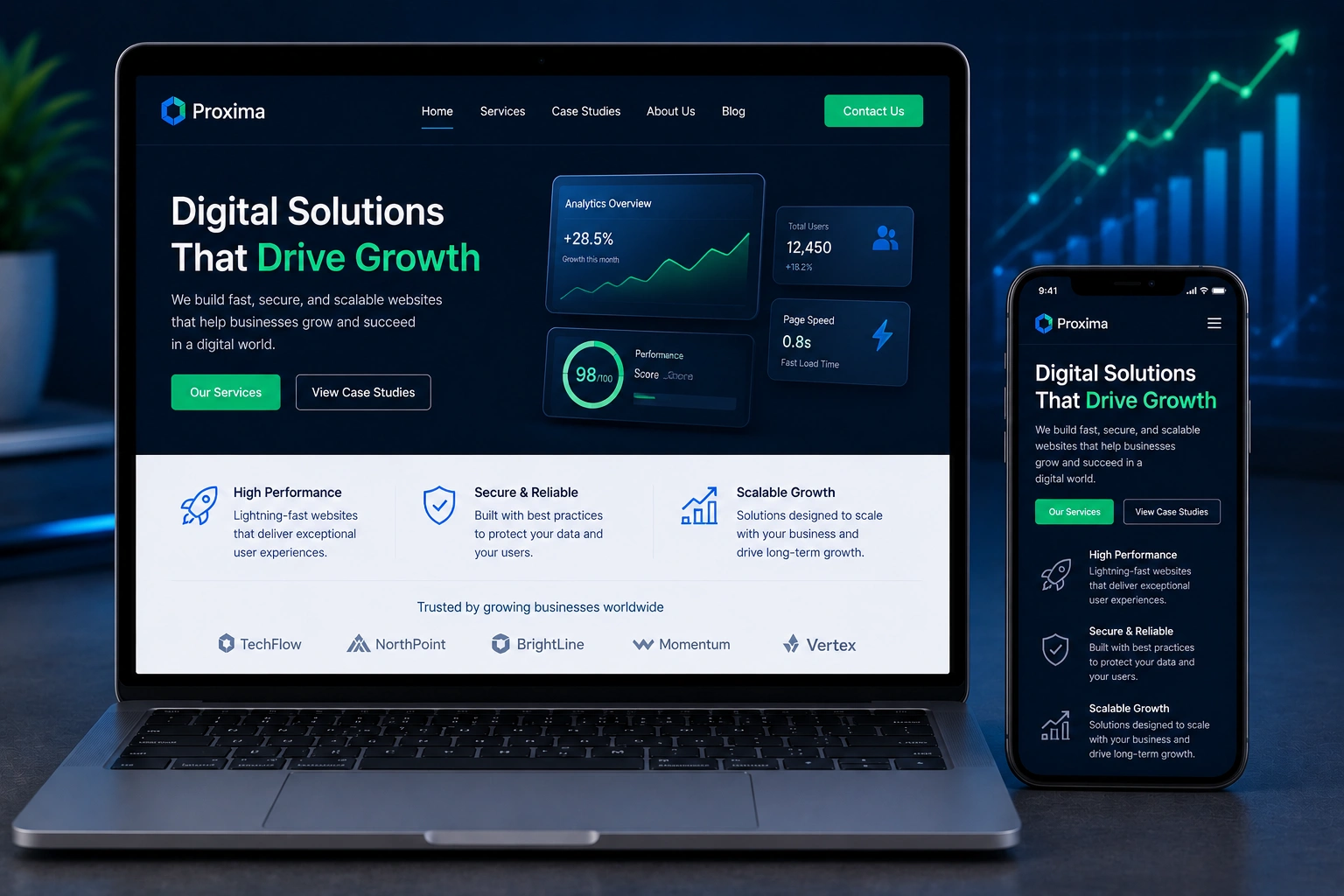
Responsive web design isn’t just about making your site shrink or expand on different screens. It means your website delivers an optimal experience no matter the device—phone, tablet, laptop, or desktop.
Mobile traffic now dominates most sites. If your layout forces users to pinch and zoom or hunt for buttons, they’ll leave in seconds. A proper websites design company builds with fluid grids, flexible images, and media queries that adapt intelligently.
From my work, the sites that perform best are those that load fast, feel intuitive, and look polished everywhere. This isn’t a nice-to-have anymore—it’s table stakes.
The Business Case: Real ROI from Professional Redesign
Hiring for website redesign services often feels like a big expense upfront. But the returns show up quickly in traffic, conversions, and brand trust.
Recent data shows businesses investing in solid responsive design see higher engagement and sales. One study noted significant conversion lifts when sites became truly mobile-friendly.
In my experience, clients typically see:
- Lower bounce rates
- Longer session times
- Better search rankings (Google loves mobile-first)
- Easier maintenance long-term
One client came to me with a beautiful desktop site that was nearly unusable on phones. After a full redesign focused on responsive web design, their mobile conversions jumped noticeably within the first month. The investment paid for itself fast through increased leads.
How a Good Websites Design Company Future-Proofs Your Site
Working with an experienced websites design company gives you more than pretty pixels. You get technical decisions that support growth.
Modern platforms like WordPress or Webflow make this easier, but the real value is in the expertise. I often recommend WordPress.org for flexibility or Webflow when clients want more design control without heavy coding.
You also avoid common pitfalls that DIY or cheap templates create—like slow performance, security holes, or poor accessibility that can hurt both users and SEO.
Step-by-Step: What to Expect When Hiring for Website Redesign Services
Here’s the practical process I follow with clients:
- Discovery & Audit – We review your current site, goals, competitors, and target audience. This includes checking mobile performance and conversion roadblocks.
- Strategy & Planning – Define structure, user flows, and content needs. We map out how responsive web design will solve specific pain points.
- Design & Development – Create wireframes, then build with clean code. Everything is tested across devices early and often.
- Content & SEO Integration – Optimize for speed, accessibility, and search. This is where good website redesign services shine.
- Launch & Training – Go live with monitoring, then hand over tools so you can manage it confidently.
- Ongoing Support – Plan for updates, security, and future changes.
This structured approach prevents wasted time and money. Expect the whole process to take 4-12 weeks depending on complexity.
Common Mistakes to Avoid in Website Redesign
Over the years, I’ve seen the same errors trip people up:
- Choosing the cheapest option instead of value. A low-cost builder often leads to higher costs later when you need fixes or a complete overhaul.
- Ignoring mobile users during redesign. Always test on real devices, not just browser resize.
- Skipping performance optimization. Heavy images and bloated code kill responsive web design benefits.
- Poor navigation or unclear calls-to-action. Fancy design means nothing if visitors can’t find what they need.
- Neglecting SEO during the move. Old URLs and content changes can tank rankings if not handled carefully.
Fix these by working with someone who’s done it many times before. Check their portfolio for recent responsive projects.
Real-World Example: From Outdated to High-Performing
A local service business approached me with a static site built years ago. It looked okay on desktop but was slow and frustrating on phones. Traffic was decent, but leads were low.
We focused on responsive web design principles, cleaned up the content, improved speed, and added clear conversion paths. The new site integrated nicely with their booking system.
Within three months, mobile sessions increased, bounce rate dropped, and they reported more qualified inquiries. The redesign wasn’t the most expensive option, but it was targeted and effective.
FAQ: Answering Your Questions About Responsive Web Design and Redesign
How much does professional website redesign services cost?
It varies widely— from a few thousand for simpler sites to tens of thousands for complex ones. Focus on ROI rather than the lowest price. A good websites design company will give clear scoping.
Is responsive web design still important in 2026?
Absolutely. With mobile traffic dominant and search engines prioritizing it, non-responsive sites lose visibility and users fast.
Can I handle website redesign myself?
For very basic needs, maybe. But for most businesses wanting growth, professional help saves time and delivers better results.
How long does a full redesign take?
Typically 1-3 months. Rushed projects often cut corners on testing and optimization.
What’s the difference between a template and custom responsive web design?
Templates are quick but limited. Custom work matches your brand, goals, and scales better long-term.
Should I choose WordPress, Webflow, or something else?
Depends on your needs. WordPress.org offers great flexibility for most. Webflow suits visual-heavy or custom animation projects.
Ready to Invest in Your Online Presence?
Responsive web design done right isn’t an expense—it’s infrastructure that supports your entire business. A professional websites design company helps you avoid costly mistakes and build something that grows with you.
If your current site feels outdated or isn’t performing, let’s change that. Visit my personal site or check out Digital Wind IT for more on how we approach these projects. Drop me a message to discuss your goals—we can start with a quick audit and honest recommendations.
Your website is often the first (and sometimes only) impression customers get. Make it count.