Scaling training programs is exciting but challenging. As your team grows, generic platforms start showing their limits — slow performance, manual processes, and rising costs. This is exactly where an experienced LMS developer makes the difference.
In my work with growing companies, I’ve seen how partnering with the right LMS developer transforms training from a bottleneck into a strategic growth engine. A good developer doesn’t just build a system — they design one that expands effortlessly with your business.
This post explains how an LMS developer helps you scale training programs effectively while keeping costs manageable and results strong.
The Scaling Challenges Most Businesses Face
As headcount increases, training demands multiply. You need to onboard new hires faster, deliver role-specific upskilling, maintain compliance, and track results across departments — all without overwhelming your HR or L&D team.
Standard platforms like TalentLMS or Moodle often require constant workarounds. Monthly fees climb with every new user. Custom features become expensive add-ons. Eventually, the system that worked for 20 employees starts failing at 100 or 200.
This is the point where bringing in a professional LMS developer shifts everything.
How an LMS Developer Helps You Scale Successfully
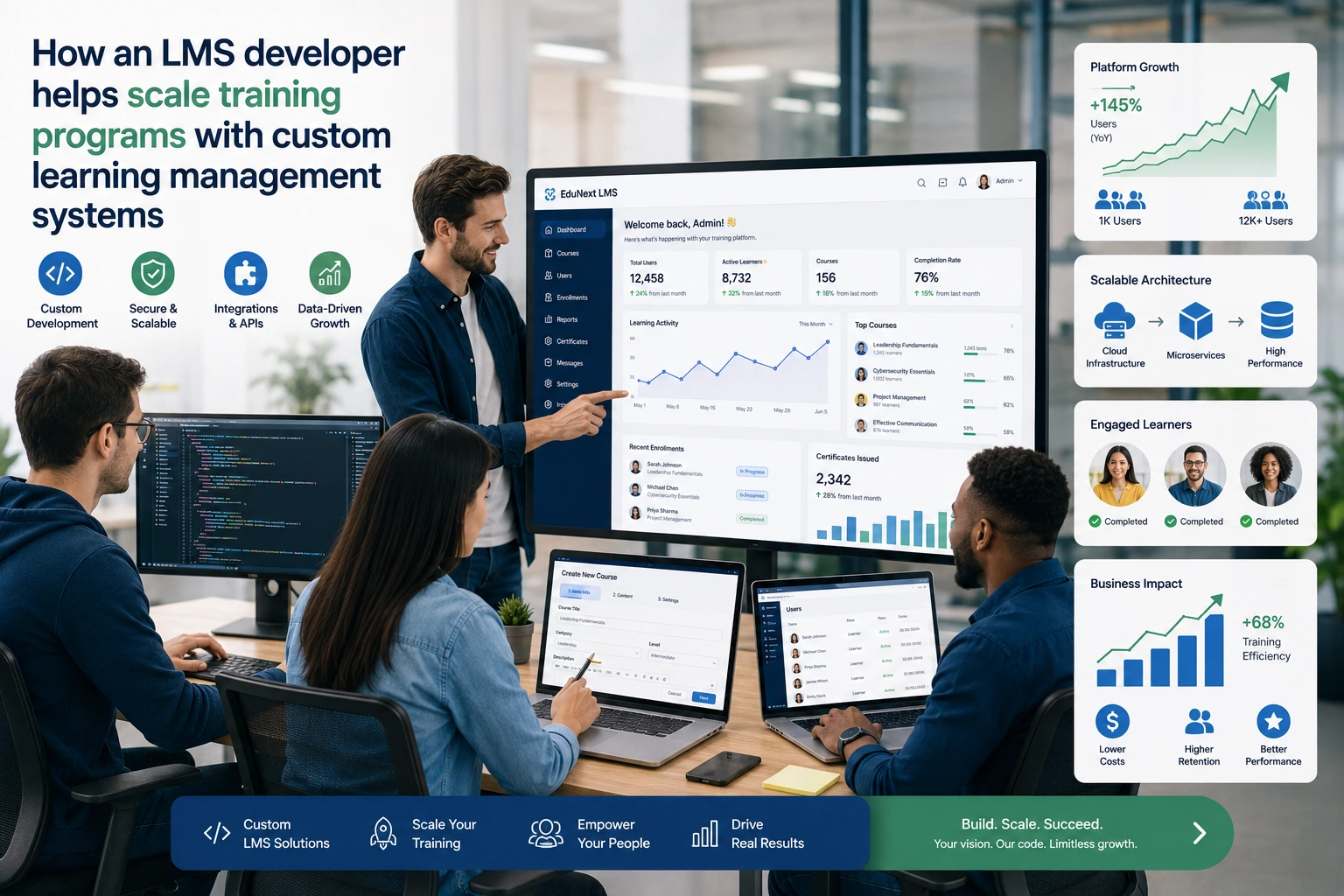
A skilled LMS developer builds or customizes a learning management system specifically designed for growth. Here’s what they actually deliver:
- Scalable Architecture — Systems that handle thousands of users without slowing down.
- Automation — Automatic enrollment, reminders, certification renewals, and reporting that reduce manual work.
- Smart Integrations — Seamless connections with your HRIS, CRM, payroll, and communication tools.
- Custom Workflows — Training paths that adapt to different departments, locations, and roles.
- Performance Optimization — Fast loading, mobile reliability, and efficient content delivery even as usage grows.
The result is a learning content management system that supports your current needs and future ambitions without constant redesigns.
Key Ways an LMS Developer Drives Training Scale
Personalized Learning at Scale
Developers can implement AI-driven recommendations and adaptive paths so each employee gets relevant content without manual curation.
Advanced Analytics for Decision Making
Instead of basic reports, you get actionable insights on skill gaps, completion trends, and training effectiveness across the entire organization.
Efficient Content Management
Non-technical admins can easily update content, so your training stays current even as products, policies, or processes change.
Cost-Effective Growth
A well-built custom LMS often eliminates per-user fees after the initial investment, making large-scale training far more predictable and affordable.
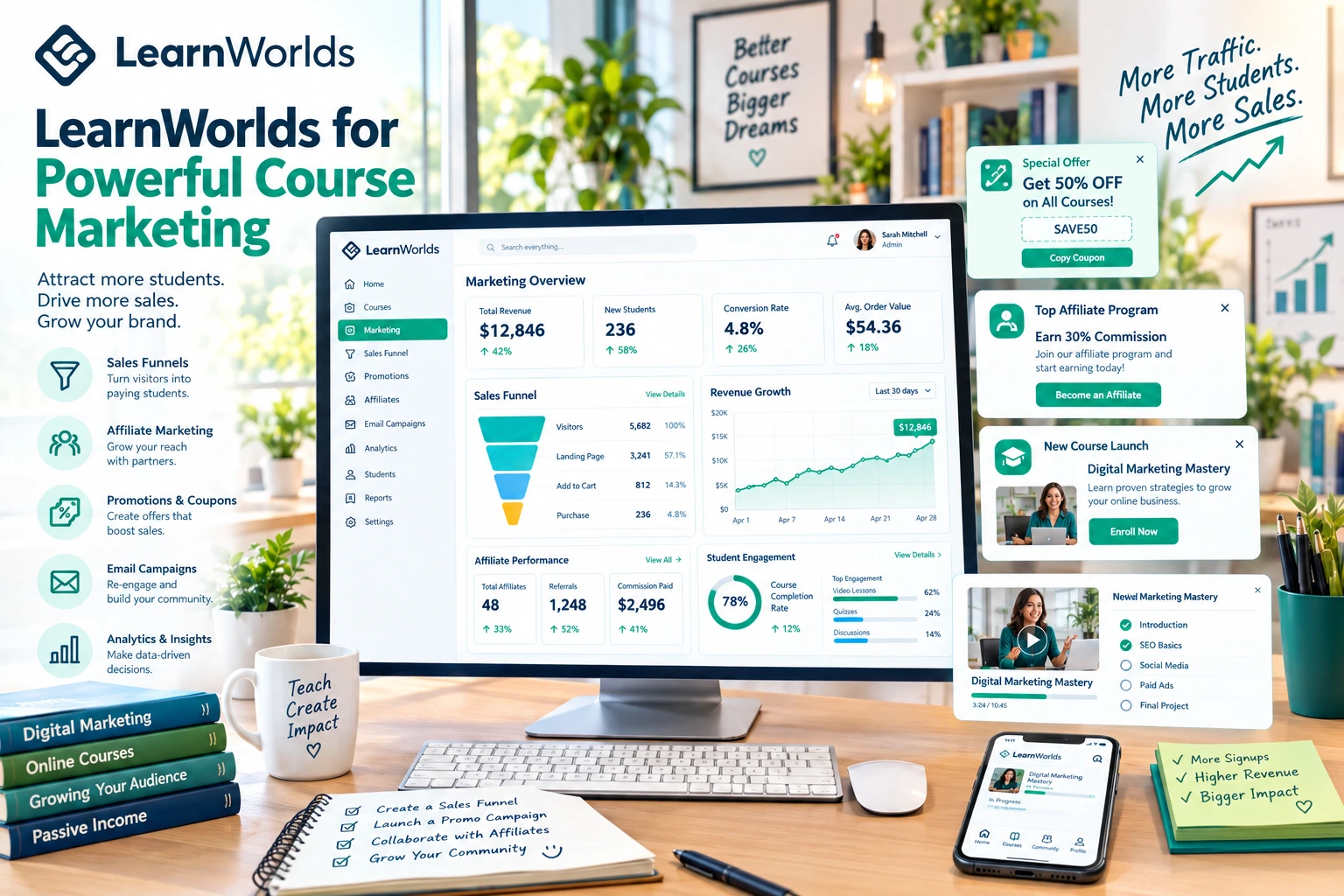
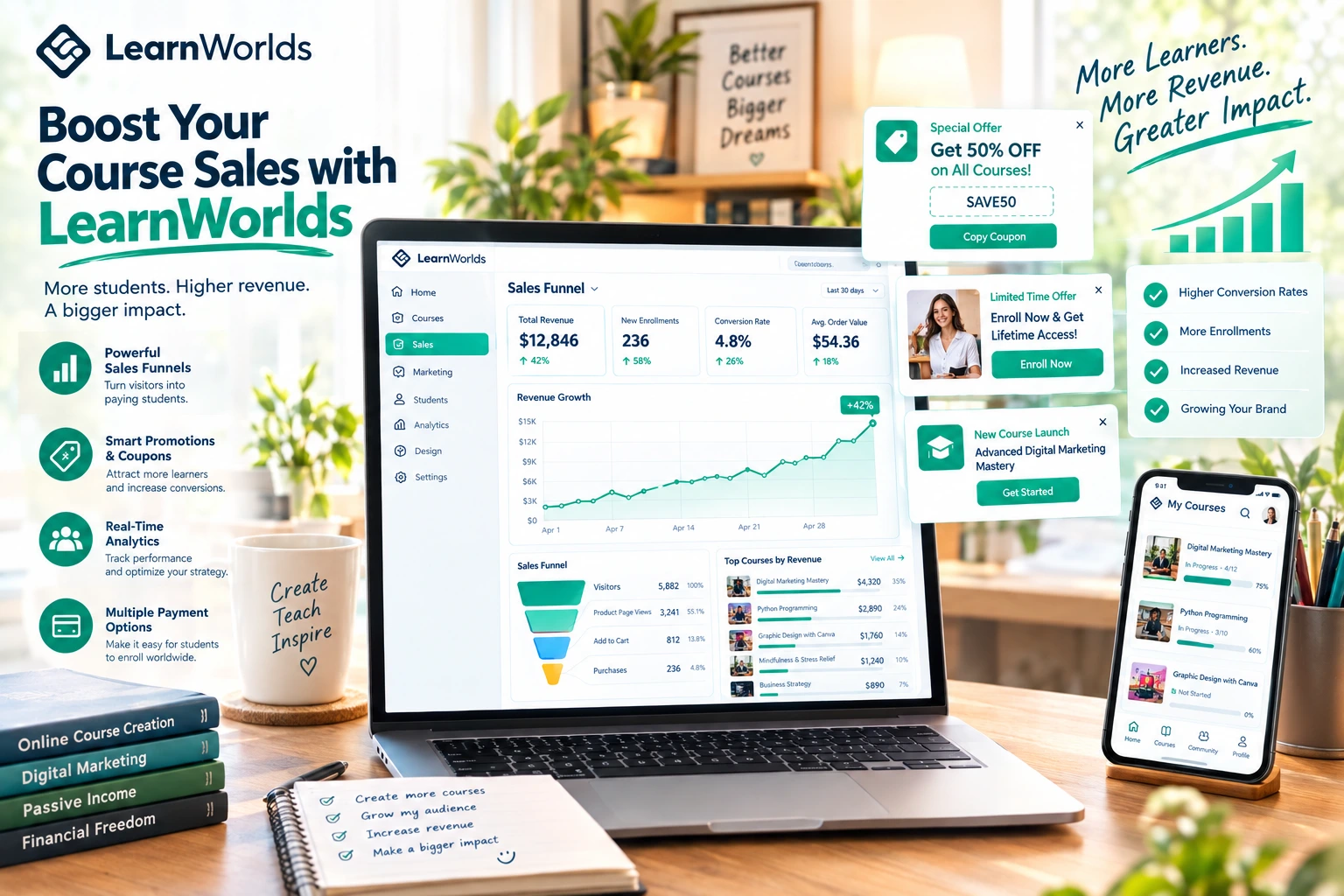
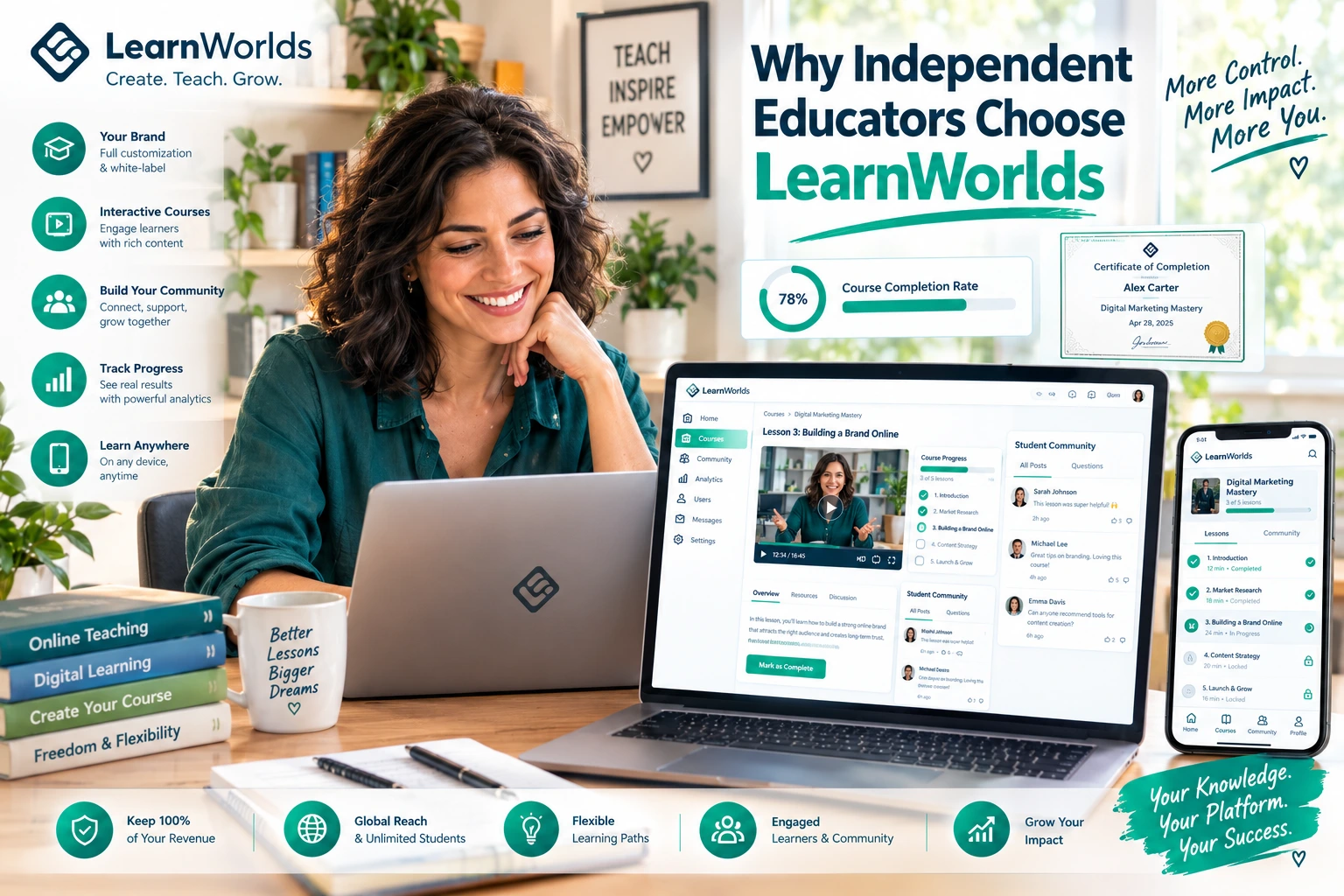
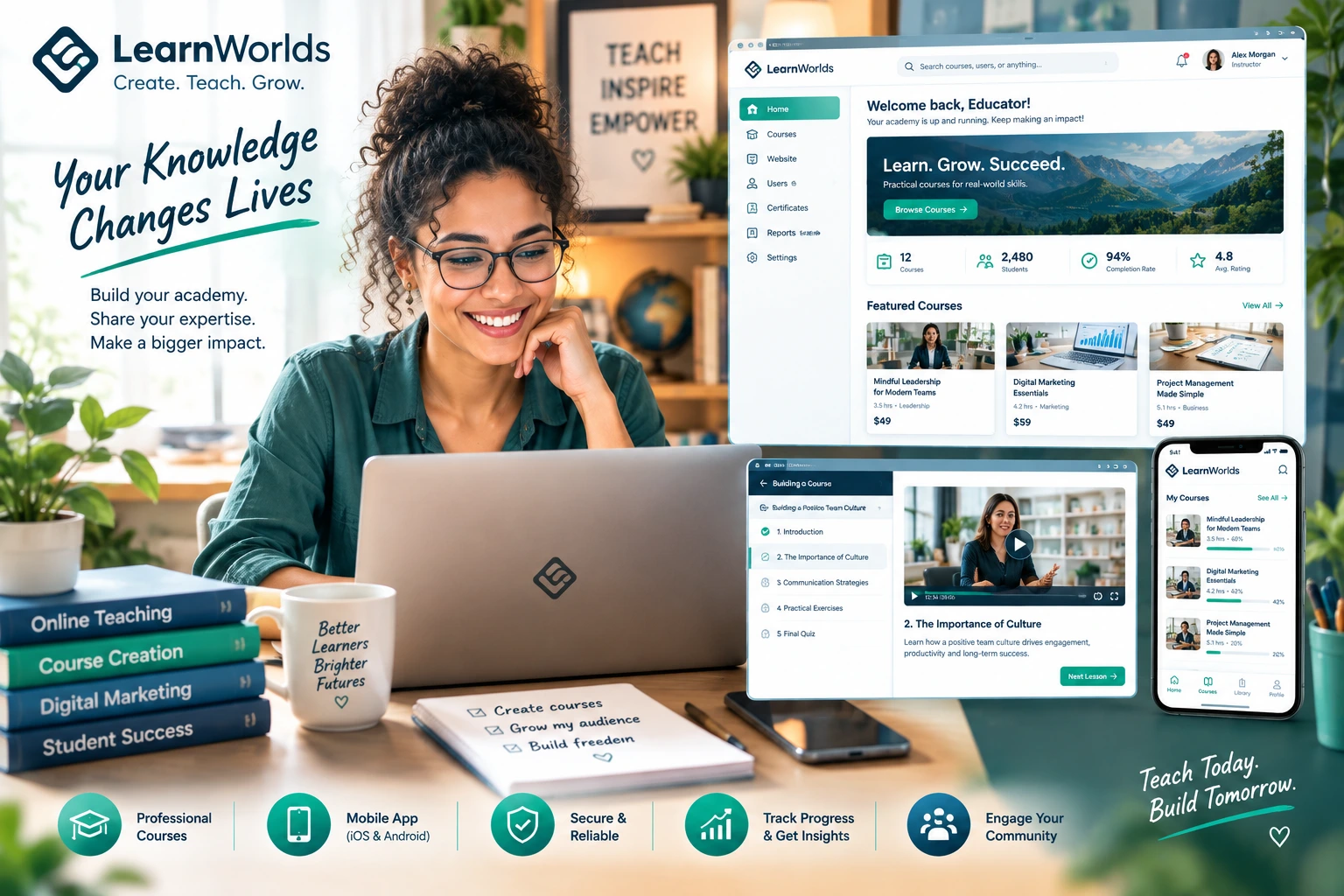
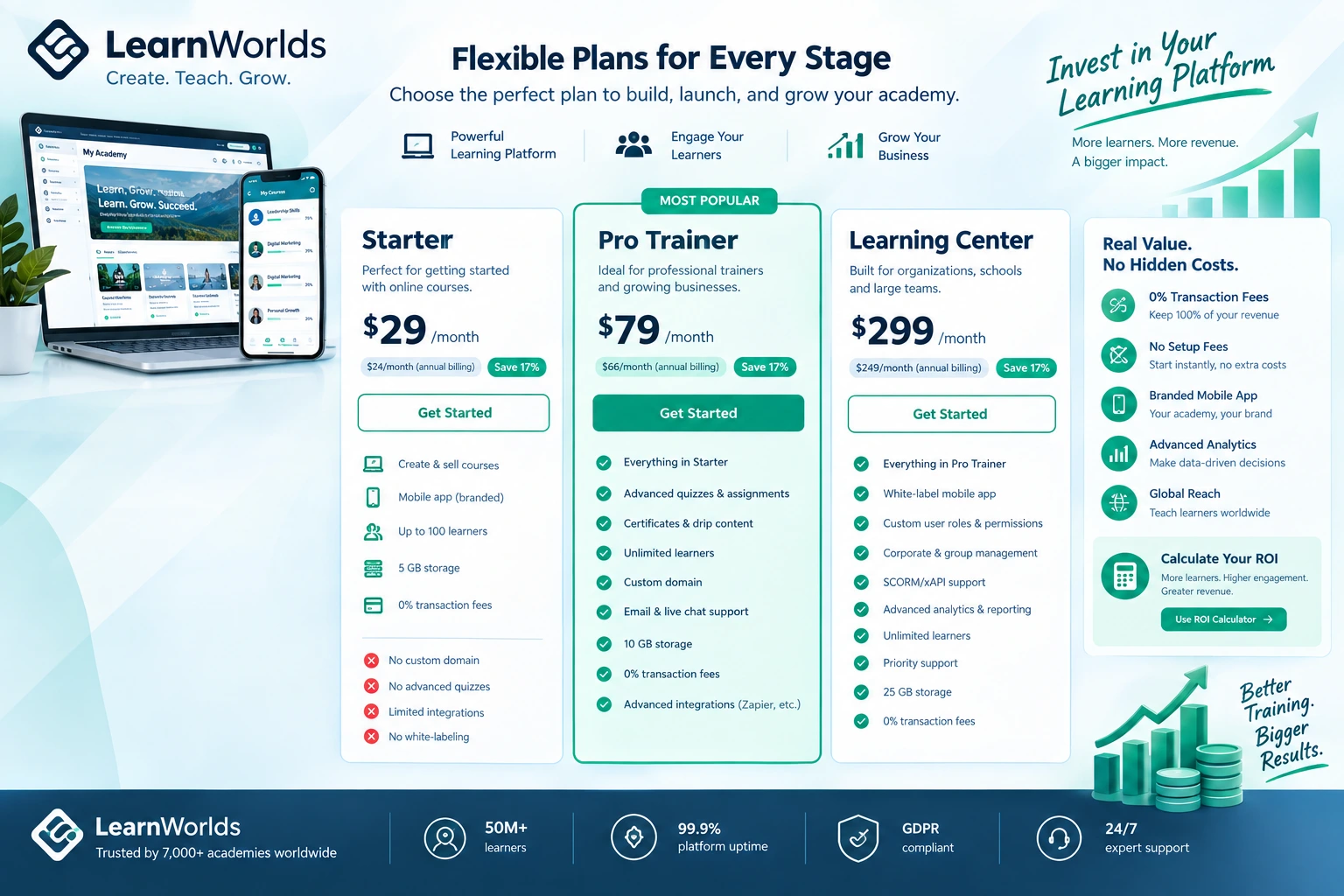
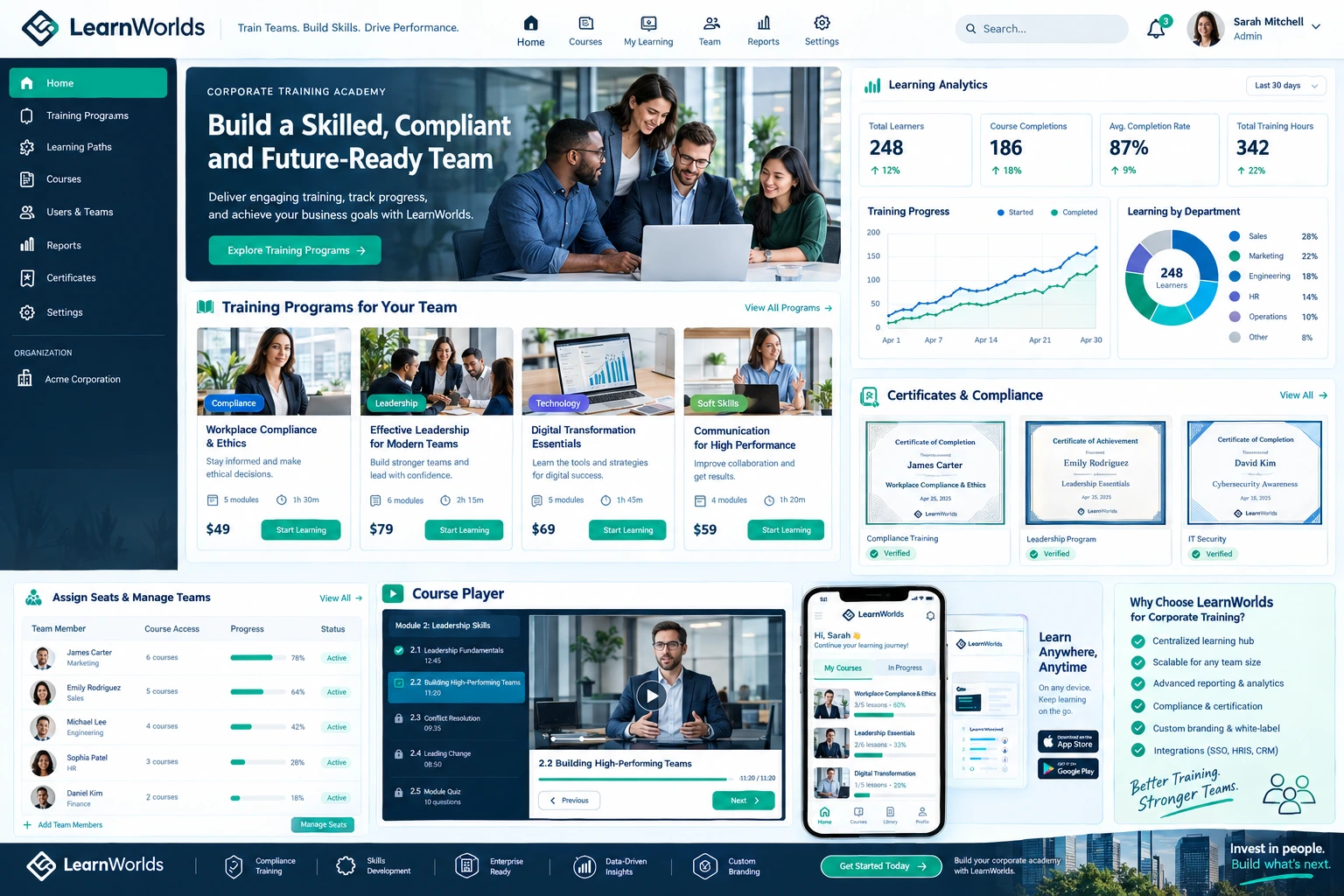
Comparison Insight: Tools like Kajabi and Thinkific are excellent for course creators, while LearnWorlds offers strong engagement features. However, when you need enterprise-level scaling with custom integrations and workflows, an experienced LMS developer building or extending a tailored system usually provides better long-term flexibility.
Real-World Example of Scaling with an LMS Developer
A SaaS company I worked with grew from 35 to 180 employees in 18 months. Their original platform became unmanageable with constant manual enrollments and poor reporting.
After collaborating with a dedicated LMS developer, they launched a custom learning management system with automated department-based onboarding, integrated Slack notifications, and role-specific learning paths. Training administration time dropped by over 70%, and new hire productivity improved noticeably. The system scaled smoothly as they continued growing.
Step-by-Step: Working with an LMS Developer to Scale
Here’s a practical process:
- Assess Current Limitations — Document what’s working and what’s breaking as you grow.
- Define Scaling Goals — Set clear targets for user numbers, automation level, and key metrics.
- Find the Right Developer — Look for proven experience in scalable LMS projects.
- Run Discovery & Planning — Map requirements, integrations, and technical architecture.
- Build in Phases — Start with core features and add advanced capabilities iteratively.
- Test Thoroughly — Pilot with a growing department before full rollout.
- Plan Long-Term Support — Include maintenance, updates, and future enhancements.
This phased approach minimizes risk while delivering value quickly.
Common Mistakes When Scaling Training
- Trying to scale with a platform that wasn’t designed for growth
- Choosing a developer based only on price instead of relevant experience
- Skipping proper integration planning
- Underestimating change management for users and administrators
- Building everything at once instead of prioritizing high-impact features
Avoiding these mistakes saves both time and money. If you’re evaluating options, feel free to explore development expertise at Digital Wind IT.
FAQ: LMS Developers and Scaling Training
When should I involve an LMS developer?
Best time is when you outgrow your current platform — typically around 50–100 employees or when manual processes become painful.
Is hiring an LMS developer expensive?
Initial costs are higher than subscriptions, but most businesses see strong ROI through time savings and better outcomes within 12–24 months.
Can a developer help if I want to customize an existing platform?
Absolutely. Many developers specialize in extending platforms like Moodle or Docebo for better scalability.
How long does it take to scale training with a custom LMS?
A phased approach can deliver initial results in 2–4 months, with full scaling capabilities rolling out over 6–9 months.
What makes a great LMS developer for scaling?
Proven experience with large user bases, strong integration skills, modern architecture knowledge, and clear communication.
Ready to Scale Your Training Programs?
An experienced LMS developer gives you more than just code — they deliver a learning management system built to grow with your business. From automation and personalization to seamless scaling, the right developer turns training into a true competitive advantage.
If your current setup is starting to limit growth, now is the perfect time to explore better solutions. Visit Digital Wind IT for custom development support or connect with me at Shihab Morshed to discuss your specific needs.Don’t let outdated training tools hold your team back. Scale smarter with the right LMS foundation.