I’ve worked with dozens of course creators, coaches, and small business owners who had incredible knowledge but got stuck for months trying to get their first course online. The platform looked easy in the demo, but then came the customization issues, payment glitches, student enrollment problems, and endless design tweaks.
That’s exactly where an LMS developer makes the difference. Instead of wrestling with templates or piecing together plugins, you get a tailored learning management system that actually fits your workflow and brand.
In this post, I’ll share what I’ve learned helping clients launch courses faster — sometimes cutting their timeline from 3–4 months down to 4–6 weeks. If you’re serious about selling online courses, this might save you a lot of frustration.
What Is an LMS Developer and Why Do You Need One?
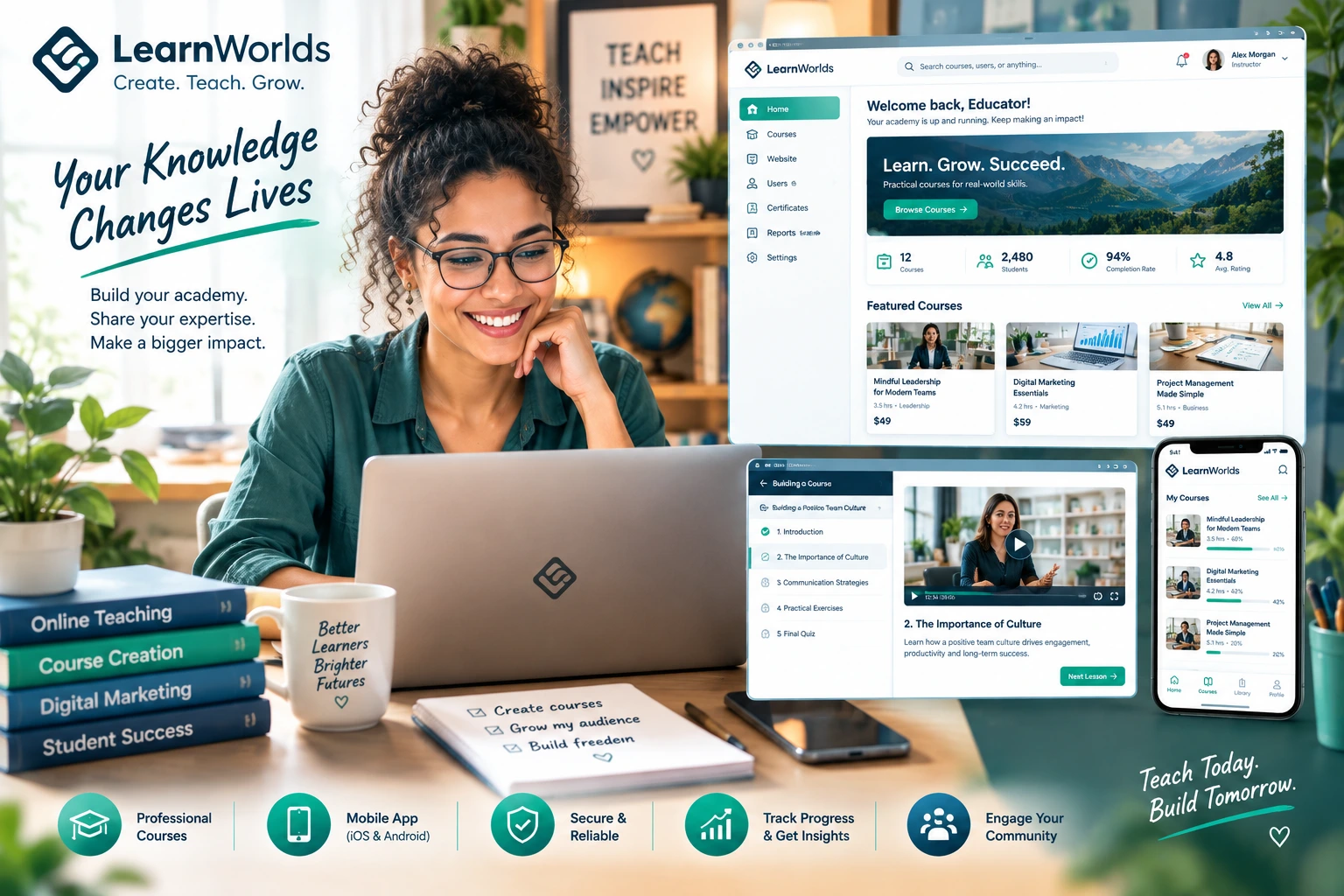
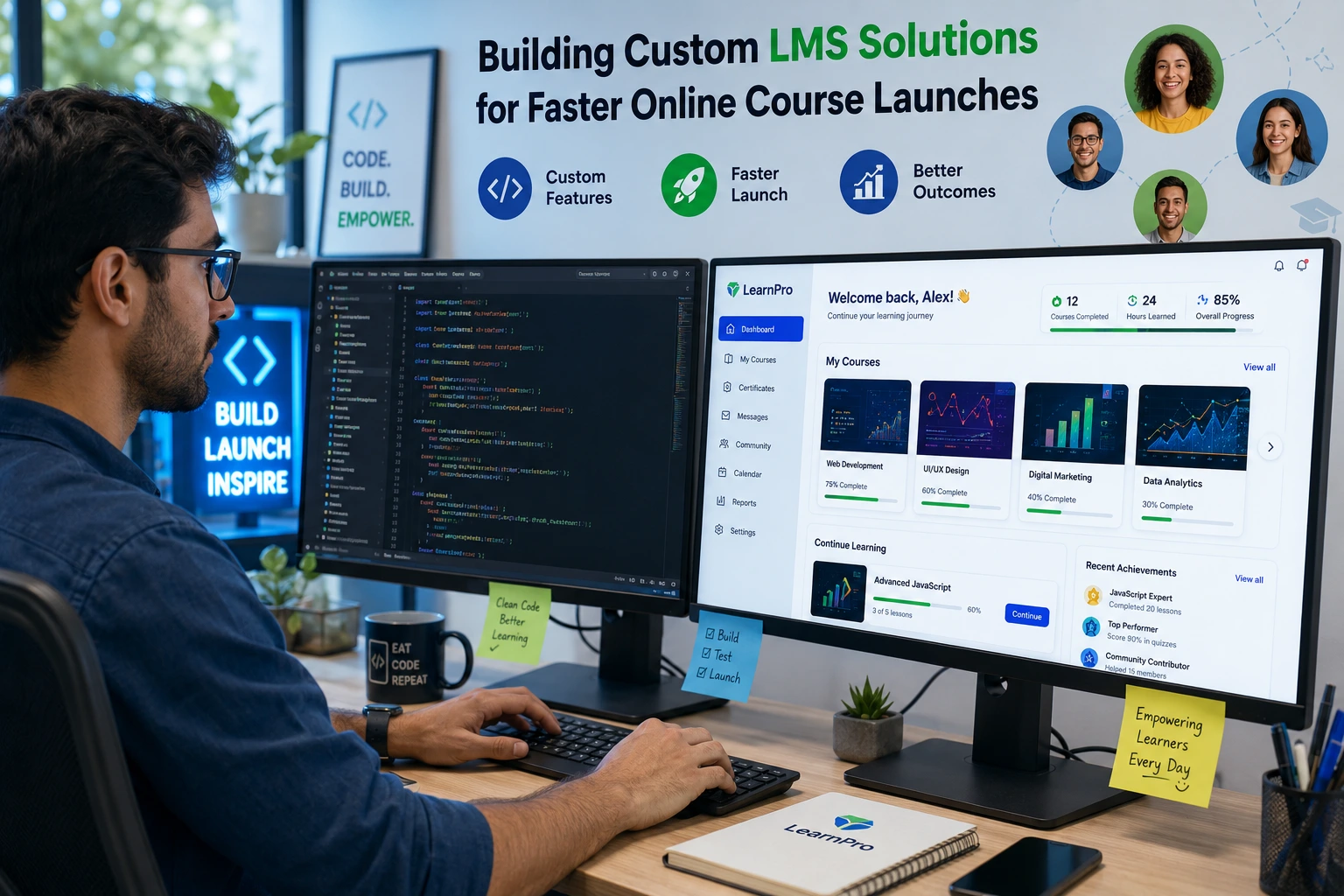
A good LMS developer builds, customizes, and optimizes learning management systems — the software that powers your online courses. This includes everything from student dashboards and lesson delivery to certificates, quizzes, payments, and community features.
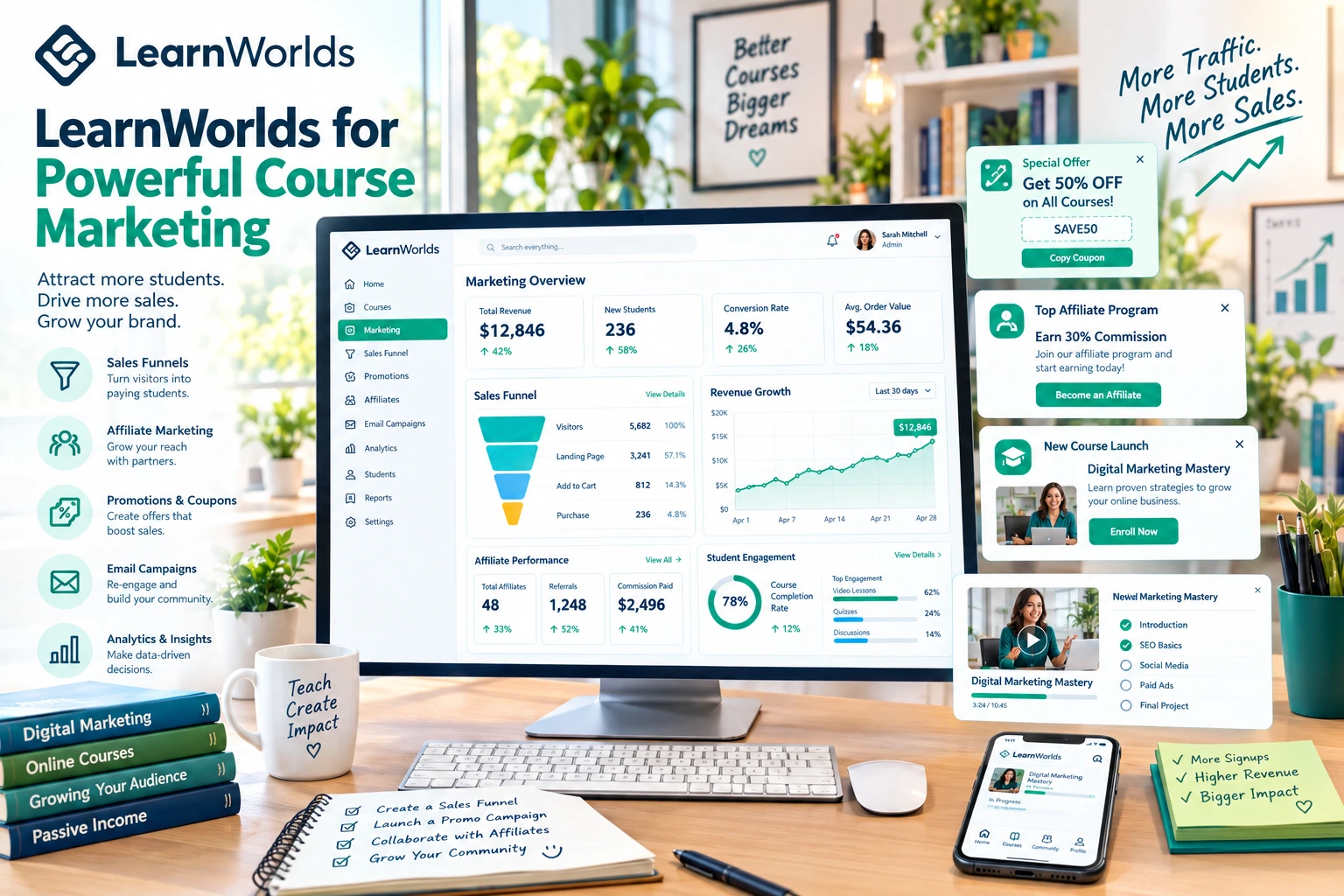
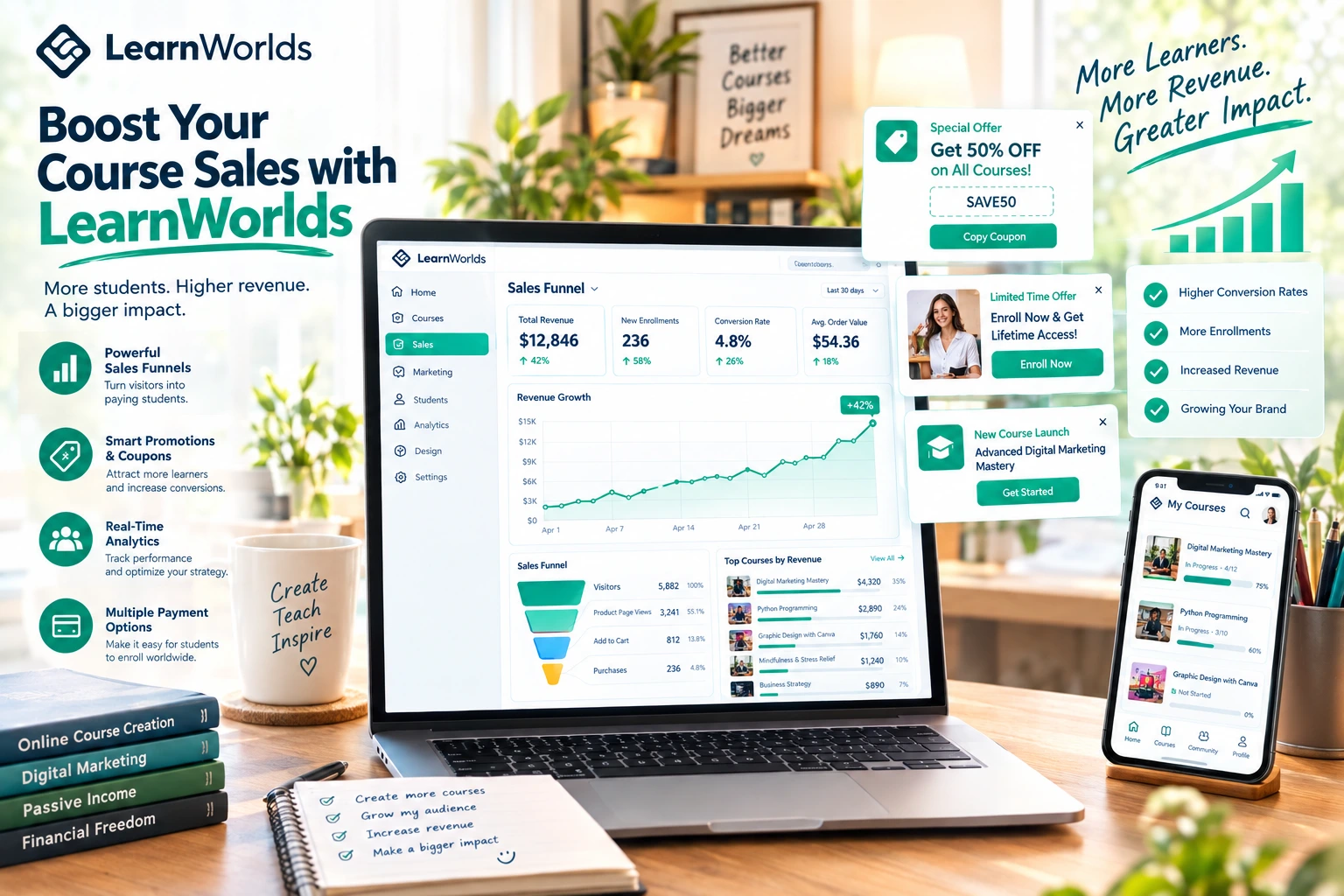
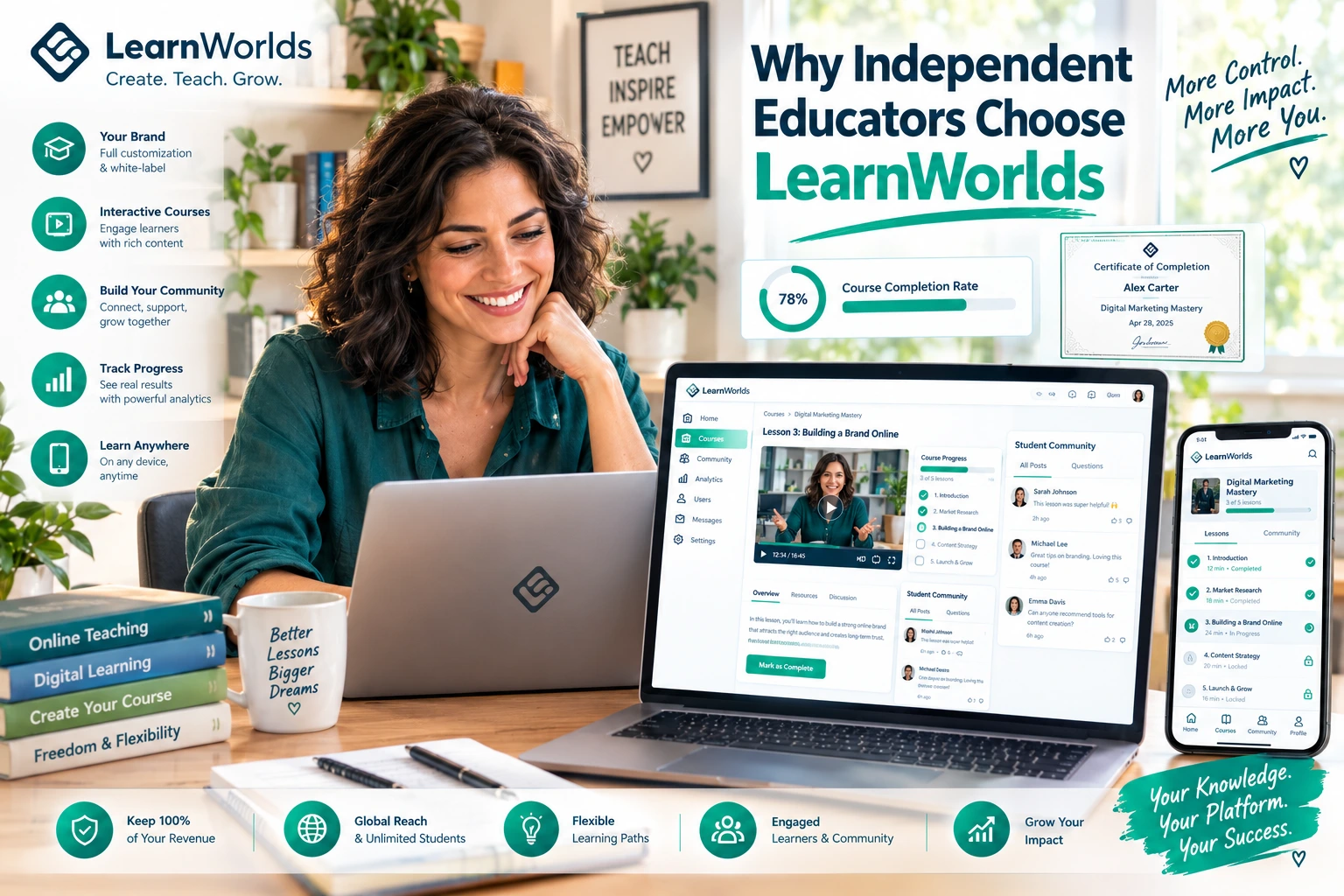
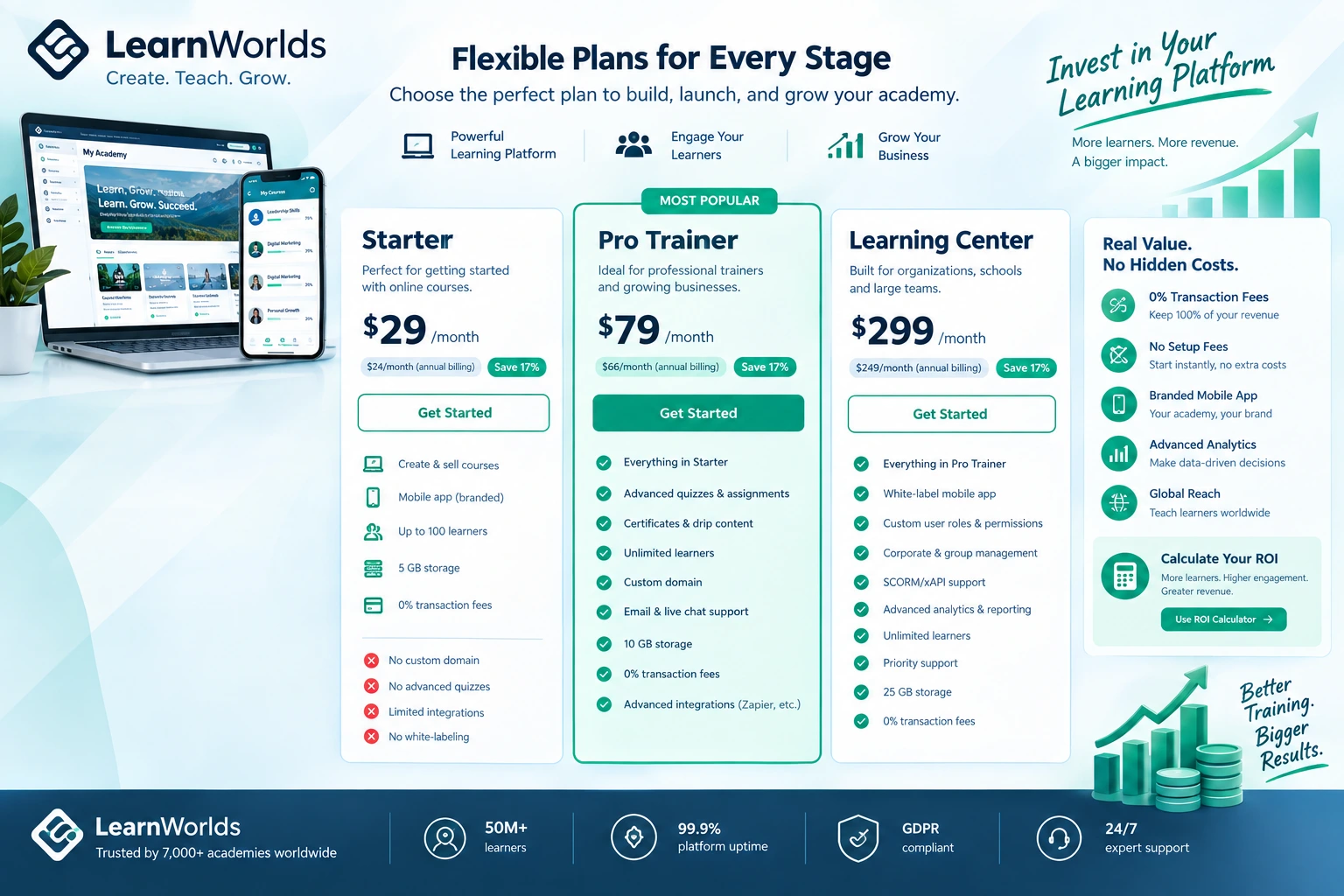
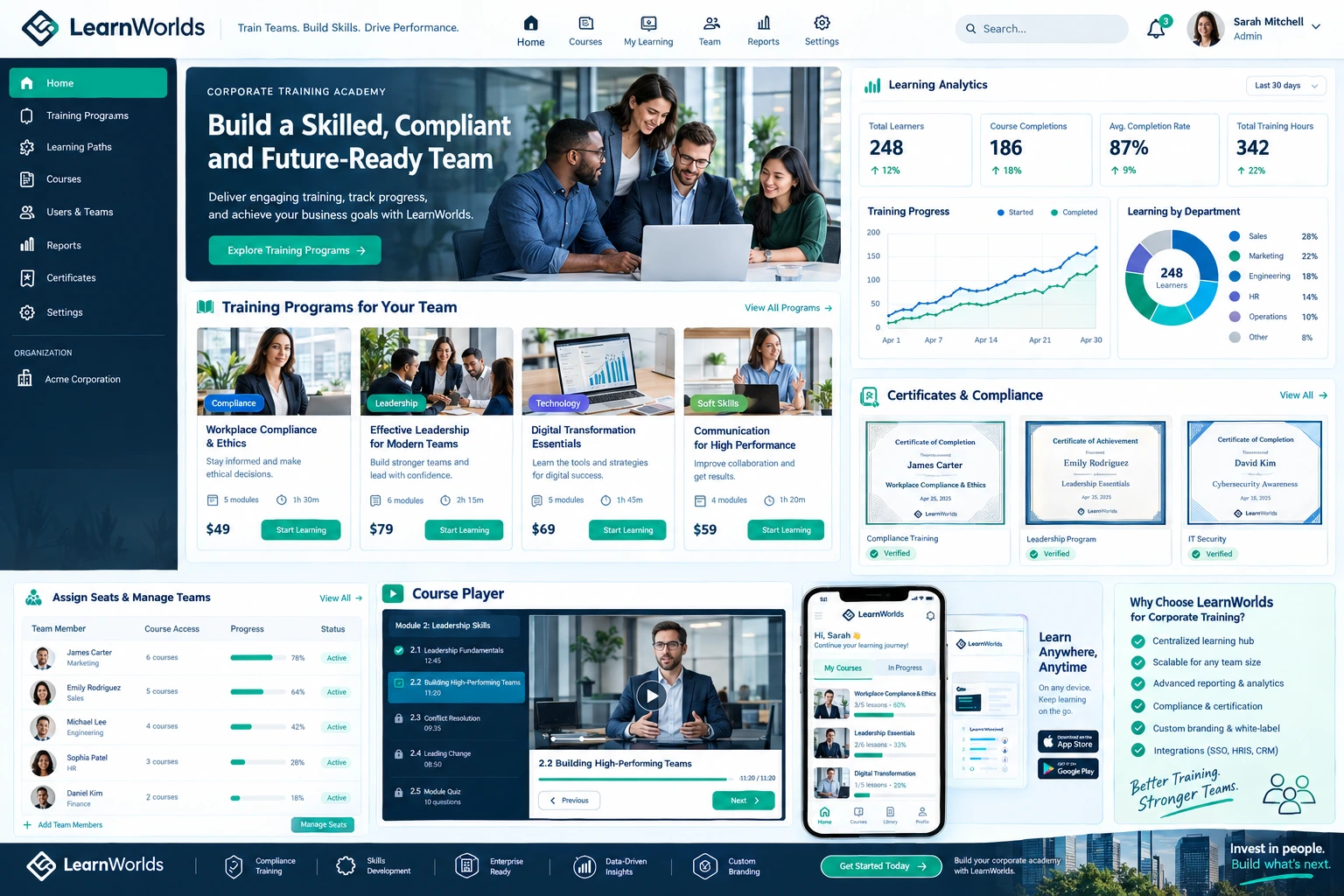
Most beginners start with no-code platforms like Thinkific, Kajabi, or LearnWorlds. These are fantastic for getting started quickly. But as soon as you want something unique — your own branding, specific automations, or advanced functionality — you hit limitations.
That’s when bringing in someone who actually codes learning content management systems pays off. I’ve seen creators waste weeks fighting platform restrictions only to hire a developer later and wish they’d done it sooner.
The Real Speed Advantages of Working with an LMS Developer
The biggest benefit is speed to launch. Here’s how it plays out in practice:
- Faster setup and customization: Instead of weeks tweaking templates, a developer can build exactly what you need in days.
- Seamless integrations: Connect your CRM, email marketing, payment gateways, and analytics without clunky workarounds.
- Better user experience: Clean navigation, mobile optimization, and intuitive progress tracking that keeps students engaged.
- Scalability from day one: Your course platform grows with your business instead of forcing you to migrate later.
In one project, a client came to me after spending two months on a popular platform with poor completion rates. We rebuilt it on a custom WordPress LMS setup in five weeks. Student engagement jumped noticeably within the first cohort.
How a Custom LMS Impacts Your Business and Monetization
A properly built learning management system isn’t just a course host — it becomes a revenue engine.
You can implement tiered memberships, drip content, one-time purchases, subscriptions, and bundles without fighting the platform. You control pricing experiments and upsells directly.
I often help clients integrate affiliate programs and partner portals that no-code tools handle poorly. One coach I worked with added a corporate training section to her LMS. That single addition brought in higher-ticket B2B clients she couldn’t reach before.
Compared to off-the-shelf solutions, a custom approach often delivers better long-term ROI. While Kajabi or Thinkific charge monthly fees that grow with your success, a well-architected custom LMS can be more cost-effective at scale.
Step-by-Step: How We Launch Courses Faster Together
Here’s my proven process when working with course creators:
- Discovery & Planning – We map out your course structure, target audience, and must-have features. This prevents rework later.
- Platform Decision – Choose the right foundation (WordPress with LMS plugins, custom build, or hybrid with Webflow/Shopify elements).
- Design & Build – Create your branding, lesson layouts, and student dashboard.
- Content Integration – Upload videos, quizzes, downloads, and set up drip scheduling.
- Testing & Polish – Rigorous student testing, payment flows, and mobile checks.
- Launch & Optimization – Go live, monitor analytics, and make quick improvements based on real usage.
This structured approach keeps momentum high and avoids the “I’ll fix that later” trap that delays many launches.
Common Mistakes and How to Avoid Them
I’ve seen the same pitfalls repeatedly:
- Over-relying on no-code tools for complex needs. They’re great for simple courses but become frustrating when you need specific workflows.
- Ignoring mobile experience. Most students learn on phones — a clunky interface kills completion rates.
- Poor enrollment flow. If signing up feels complicated, people bounce before buying.
- Skipping proper testing. Nothing kills credibility faster than broken links or failed payments on launch day.
A skilled LMS developer spots these issues early and builds solutions that prevent them. For example, I always implement automated welcome sequences and progress reminders that boost retention without extra manual work.
FAQ: LMS Developers and Course Launches
How much does hiring an LMS developer cost?
It varies widely depending on scope. Simple customizations start a few thousand dollars, while full custom platforms can be more. The real question is time saved and revenue earned sooner.
Can I use WordPress for a professional LMS?
Absolutely. With the right plugins and development, WordPress powers many successful learning platforms. It offers great flexibility and ownership.
What’s the difference between LMS platforms like Kajabi and a custom solution?
Platforms like Kajabi give speed and convenience out of the box. A custom learning management system gives control, unique features, and potentially lower long-term costs.
How long does it take to launch with an LMS developer?
For most courses, 4–8 weeks from start to live, depending on content readiness and complexity.
Do I need technical skills to work with an LMS developer?
No. The best developers translate your vision into technical requirements and handle the heavy lifting.
When should I hire an LMS developer instead of using Thinkific or LearnWorlds?
When you need custom branding, advanced automations, specific integrations, or plan to scale significantly.
Ready to Launch Your Course Faster?
Building a learning management system that actually supports your goals doesn’t have to be slow or stressful. An experienced LMS developer takes the technical burden off your shoulders so you can focus on creating great content and marketing it.
If you’re tired of platform limitations holding back your course launch, I’d love to help. Visit my site at shihabmorshed.com or check our services at Digital Wind IT to see how we’ve helped others.