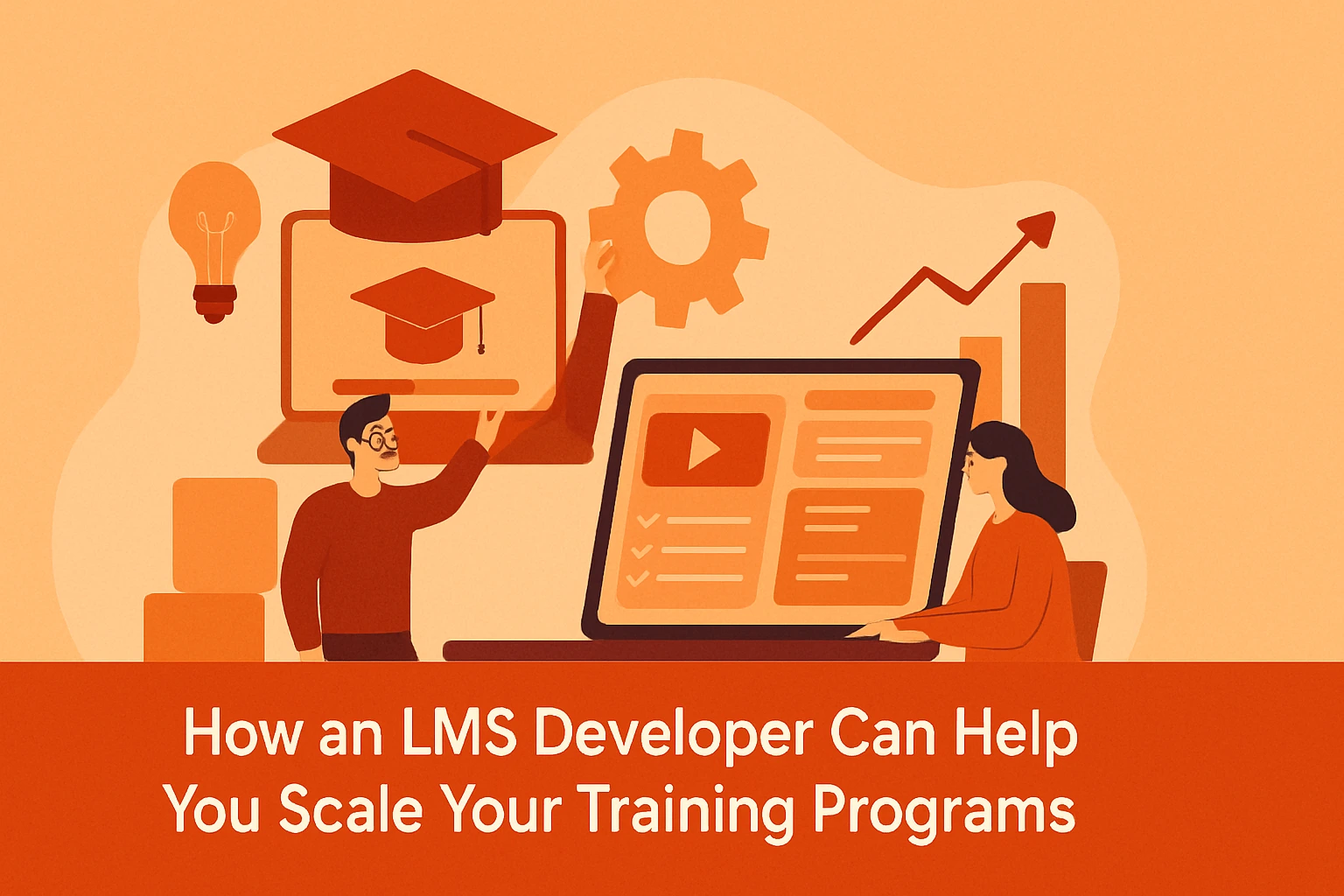
If you’re looking to grow your training programs, a learning management system (LMS) can be a game-changer. This blog explores how an LMS developer can transform your training efforts, making them efficient, engaging, and scalable. From customizing a learning content management system to streamlining workflows, we’ll dive into why hiring an LMS developer is a smart move for businesses and educators alike.
Why Your Business Needs a Learning Management System
Scaling training programs can feel like climbing a mountain. You want to reach more people, deliver engaging content, and track progress without losing your sanity. That’s where a learning management system comes in. An LMS is like a digital classroom that organizes your training materials, tracks learner progress, and makes learning accessible anytime, anywhere. But setting up a robust learning content management system isn’t a one-size-fits-all task. It takes skill to make it work for your specific needs.
An LMS developer brings expertise to the table. They understand the nuts and bolts of learning management systems and can tailor them to fit your goals. Whether you’re a small business training employees or a school expanding online courses, an LMS developer ensures your platform grows with you.
The Role of an LMS Developer in Scaling Training
Imagine trying to build a house without a blueprint. You’d end up with a shaky structure. That’s what happens when you try to scale training without a solid learning management system. An LMS developer acts as your architect, designing a system that supports your growth. They don’t just install software; they create a learning content management system that aligns with your vision.
Developers dive deep into your needs. They analyze how your team learns, what content you deliver, and how many users you expect. Then, they build a platform that handles it all smoothly. For example, if you’re training 50 employees today but plan to onboard 500 next year, an LMS developer ensures your system can handle the jump without crashing.
Customization for Your Unique Needs
Every organization is different. A generic learning management system might work for basic tasks, but scaling requires customization. An LMS developer can tweak your learning content management system to match your brand, workflows, and goals. Want a dashboard that shows real-time progress for 1,000 learners? They can build it. Need interactive quizzes that keep trainees engaged? They’ve got you covered.
Customization isn’t just about looks. It’s about making the system intuitive. A developer ensures your LMS is easy for both trainers and learners to use, reducing the time spent on tech support. This means more focus on actual learning and less on fixing glitches.
Streamlining Content Delivery
Delivering training content to hundreds or thousands of learners can get messy fast. An LMS developer simplifies this by organizing your learning content management system for efficiency. They set up features like automated course assignments, progress tracking, and certifications. This saves you time and keeps learners on track.
For instance, if you’re running a corporate training program, a developer can integrate videos, quizzes, and documents into one seamless platform. They can also add mobile access, so employees can learn on the go. With a well-designed LMS, your training feels like a smooth ride, not a bumpy road.
Enhancing Engagement with Interactive Features
Keeping learners engaged is a big challenge when scaling. Boring content or clunky systems can make people tune out. An LMS developer solves this by adding interactive彼此
interactive tools like gamification, discussion forums, or virtual simulations. These features make training feel more like a game than a chore. For example, they might add badges for completing modules or leaderboards to spark friendly competition. This keeps learners motivated, even as your program grows to include thousands of users.
Ensuring Scalability with Robust Technology
As your training program expands, your learning management system needs to keep up. An LMS developer uses advanced technology to ensure your platform can handle growth. They optimize the system for speed, reliability, and security, so it runs smoothly even with 10,000 users. They also integrate analytics to track performance, giving you insights into what’s working and what needs tweaking.
A developer might use cloud-based solutions to make your LMS accessible from anywhere. This is crucial if you’re training remote teams or global audiences. They also ensure the system is secure, protecting sensitive data like employee records or test scores.
Saving Time and Money in the Long Run
Hiring an LMS developer might seem like a big upfront cost, but it saves you money over time. A well-built learning management system reduces manual work, like grading quizzes or sending reminders. It also cuts down on errors, like misplaced records or outdated content. By automating these tasks, an LMS developer frees up your team to focus on creating great training material.
For example, a developer can set up automated reports that show completion rates for 500 trainees in seconds. Without an LMS, that task could take hours. The time saved adds up, making your training program more efficient as it scales.
Integrating with Existing Tools
Your business likely uses tools like HR software, video conferencing, or project management apps. An LMS developer can integrate these with your learning management system, creating a seamless workflow. For instance, they can link your LMS to your HR system to automatically enroll new hires in onboarding courses. This kind of integration makes scaling feel effortless, even as your program grows to include 5,000 learners.
Overcoming Common Scaling Challenges
Scaling training programs comes with hurdles. Systems crash, content gets outdated, or learners lose interest. An LMS developer anticipates these issues and builds solutions into your learning content management system. They might add automated content updates to keep materials fresh or design a user-friendly interface to reduce frustration.
They also ensure your LMS can handle sudden spikes in usage. Imagine launching a new course that gets 2,000 sign-ups overnight. A developer-built system won’t buckle under the pressure, keeping your training on track.
Supporting Diverse Learners
As your program grows, you’ll likely have learners with different needs. Some might prefer mobile access, while others need offline options. An LMS developer can create a learning management system that supports multiple formats, languages, and accessibility features. This ensures everyone can participate, whether they’re in a classroom or halfway across the world.
Why Invest in an LMS Developer?
Building a learning management system without a developer is like cooking without a recipe. You might get something edible, but it won’t be great. An LMS developer brings expertise, precision, and creativity to your training program. They craft a learning content management system that’s tailored to your needs, easy to use, and ready to grow.
With their help, your training can reach 10, 1,000, or even 10,000 learners without missing a beat. They save you time, reduce stress, and make your program a success. In short, an LMS developer is the key to scaling your training with confidence.
Conclusion
Scaling your training programs doesn’t have to be overwhelming. With a skilled LMS developer, you can build a learning management system that’s customized, efficient, and engaging. They handle the tech so you can focus on teaching. From streamlining content delivery to adding interactive features, an LMS developer ensures your learning content management system grows with your needs. Invest in one today, and watch your training program soar to new heights, reaching learners far and wide with ease.
FAQ
What is a learning management system?
A learning management system (LMS) is a digital platform that organizes, delivers, and tracks training content for learners, making it easier to manage large-scale training programs.
How does an LMS developer help with scaling?
An LMS developer customizes your learning content management system to handle more users, streamline workflows, and add engaging features, ensuring your training program grows smoothly.
Can an LMS support remote learners?
Yes, a well-designed learning management system supports remote access, mobile learning, and diverse formats, making it ideal for global or distributed teams.
Is hiring an LMS developer worth the cost?
Absolutely. An LMS developer saves time and money by automating tasks, integrating tools, and building a scalable system that reduces manual work and errors.