Corporate training is evolving faster than ever. Traditional classroom sessions and static eLearning modules are no longer enough to keep employees skilled, engaged, and competitive. The future belongs to intelligent, flexible, and personalized learning — and a strong LMS sits at the center of it.
In my experience building digital training solutions for growing companies, organizations that embrace modern learning management systems are pulling ahead in talent retention, productivity, and adaptability. This post explores why an LMS is becoming a true game-changer for corporate training.
The Shifting Landscape of Corporate Training
Workforces today are more distributed, diverse, and dynamic than ever. Employees expect learning experiences that fit their schedules, roles, and career goals. At the same time, companies need faster onboarding, continuous upskilling, and measurable results.
Generic tools fall short here. A future-ready learning content management system adapts to these realities with automation, personalization, and real-time insights.
Why LMS Is the Game-Changer for Future Corporate Training
A modern LMS moves training from a one-time event to a continuous, integrated part of work life. Here’s how it’s transforming the field:
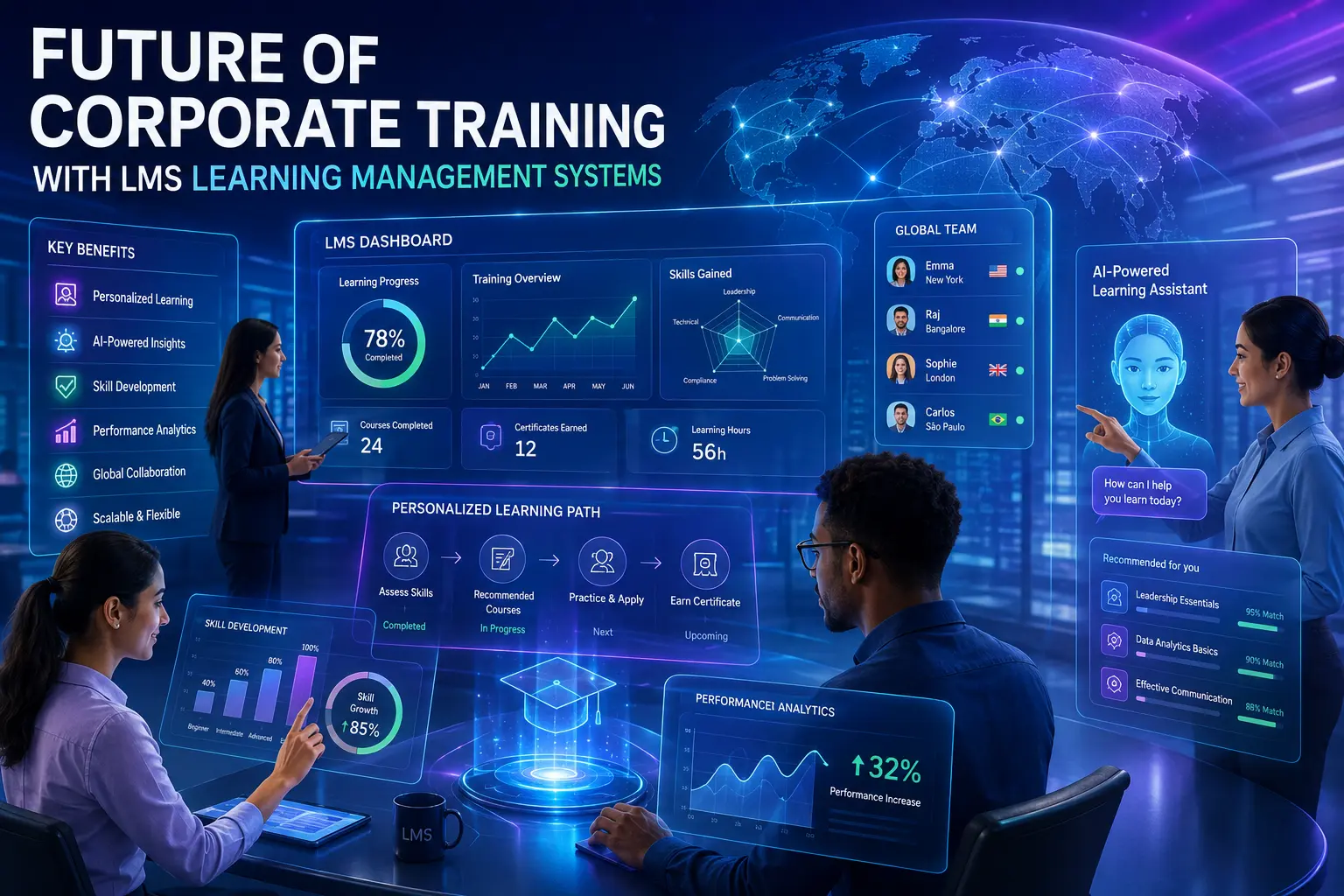
- Personalization at Scale — AI-driven paths recommend content based on individual skill gaps, performance, and ambitions.
- Seamless Integration — Connects directly with HR, performance tools, and daily workflows.
- Measurable Impact — Advanced analytics show not just completion rates but actual behavior change and ROI.
- Flexibility for Hybrid Work — Mobile-first, offline access, and bite-sized learning fit modern realities.
- Continuous Learning Culture — Makes upskilling easy and ongoing instead of mandatory yearly events.
These capabilities help companies stay agile in rapidly changing markets.
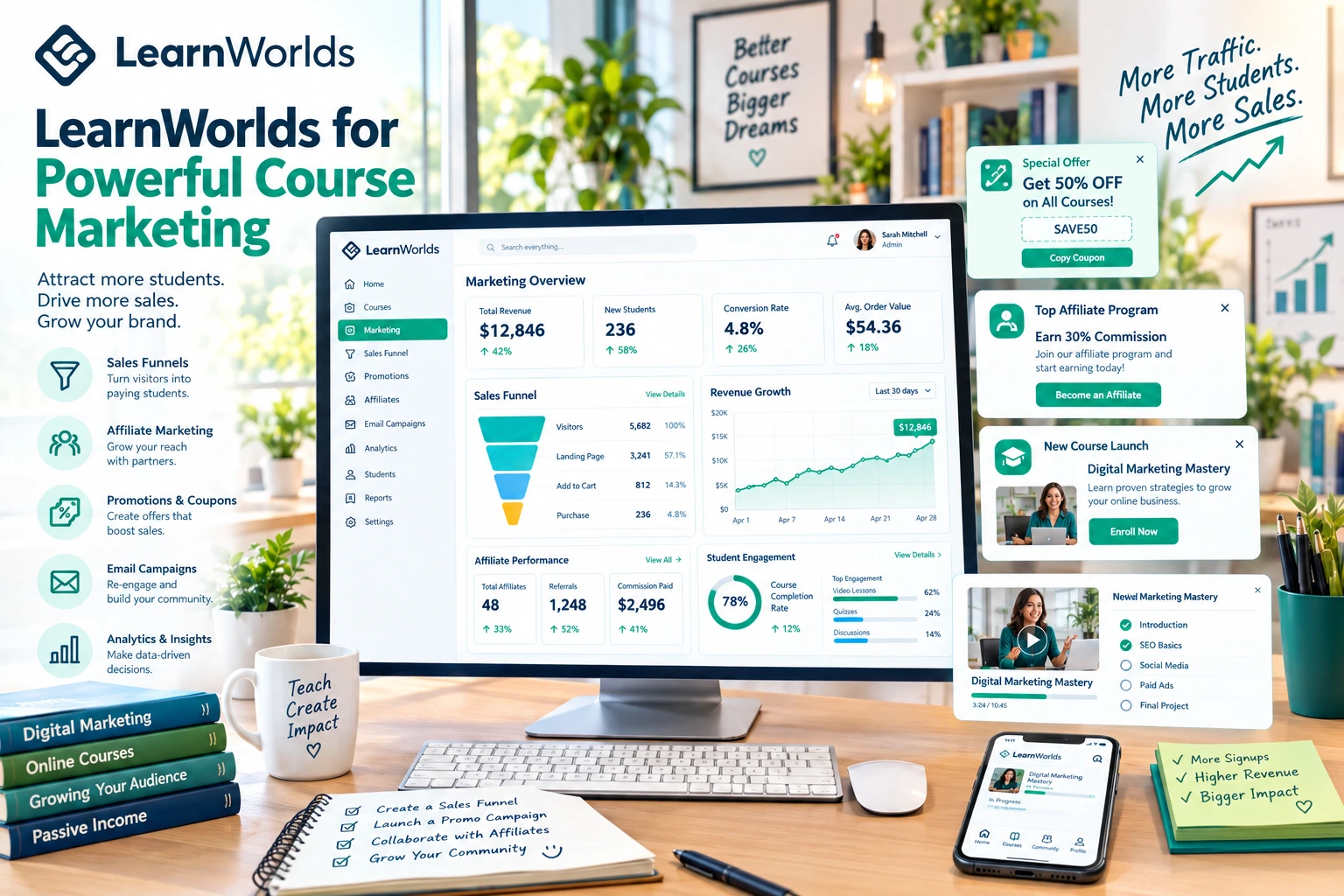
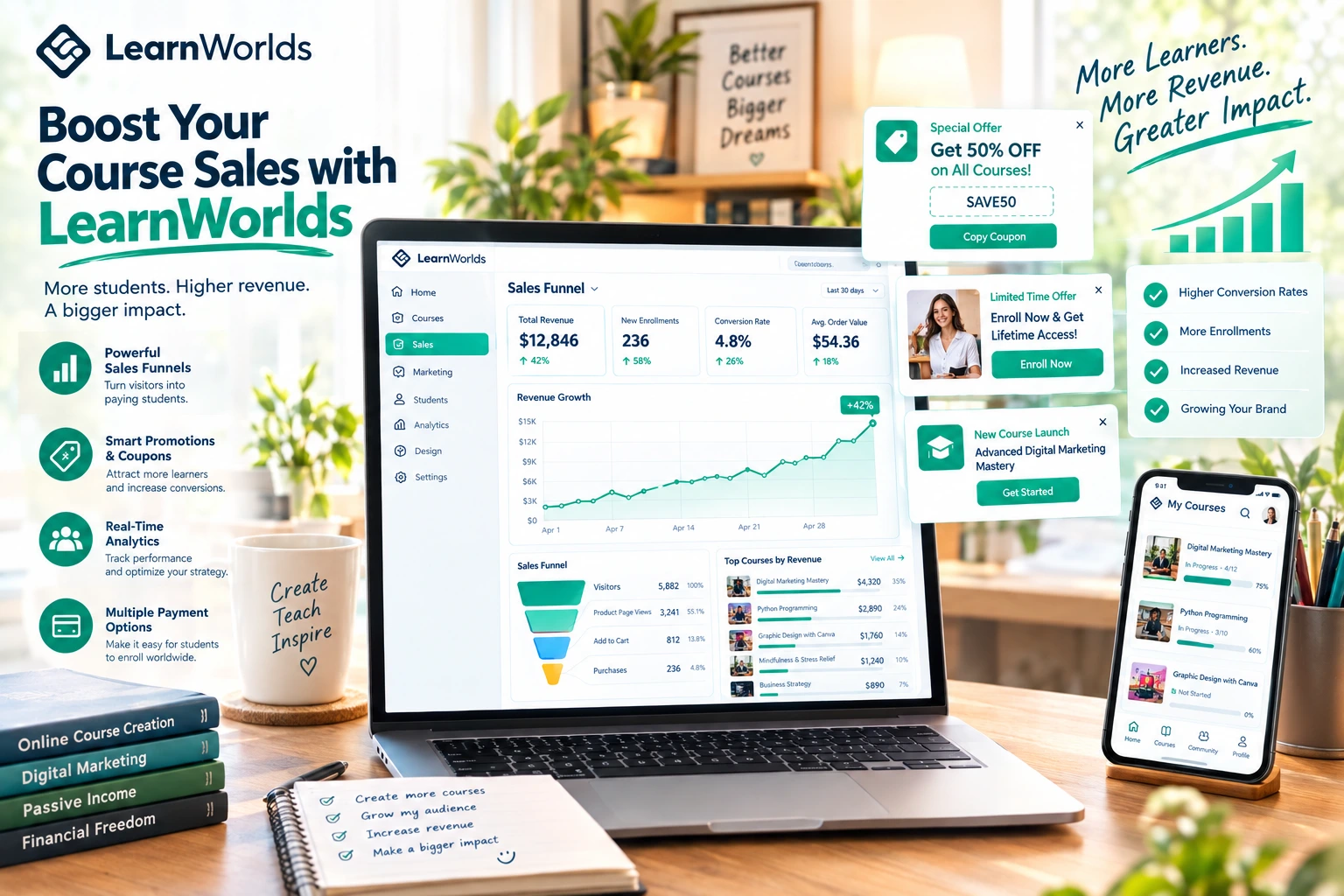
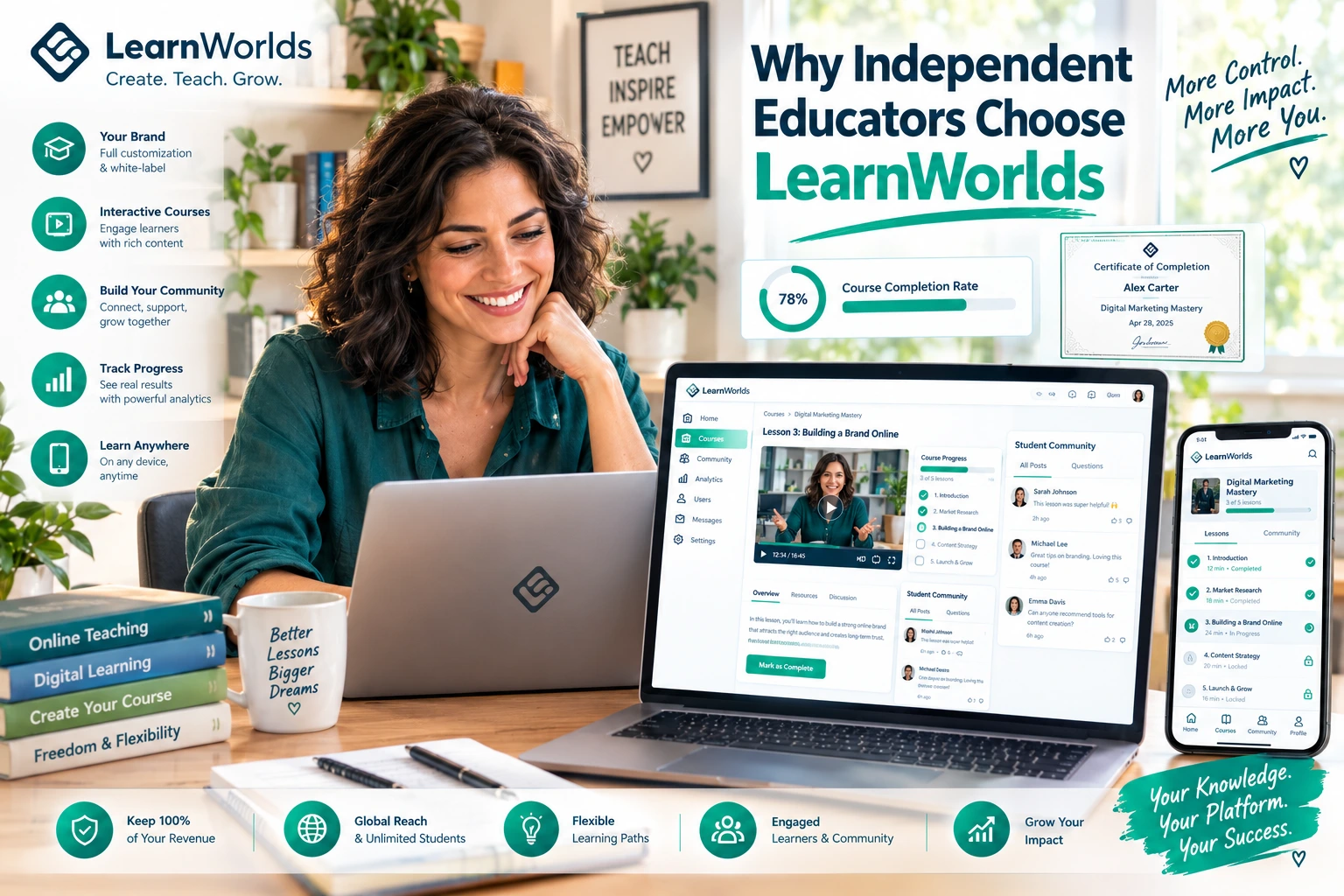
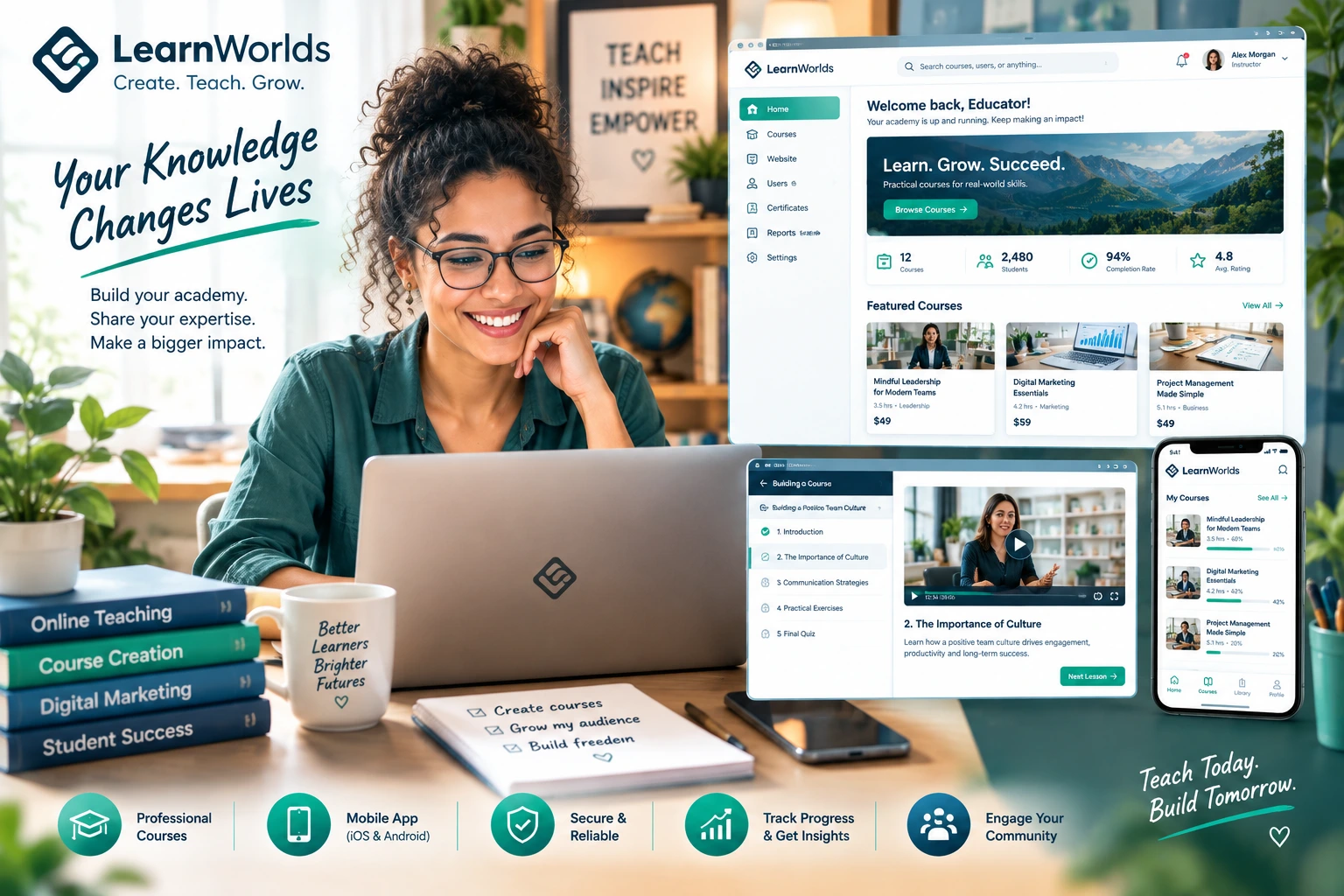
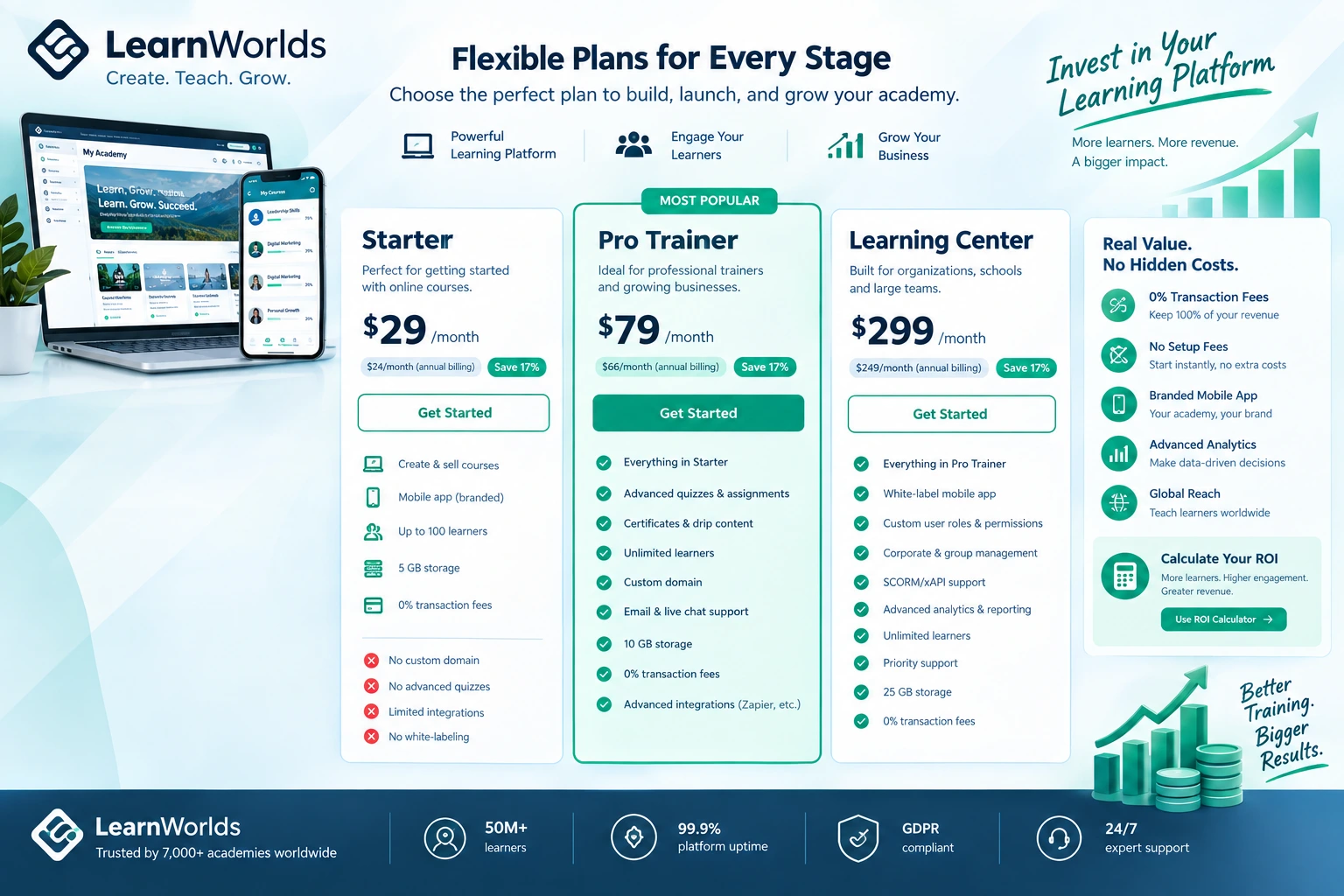
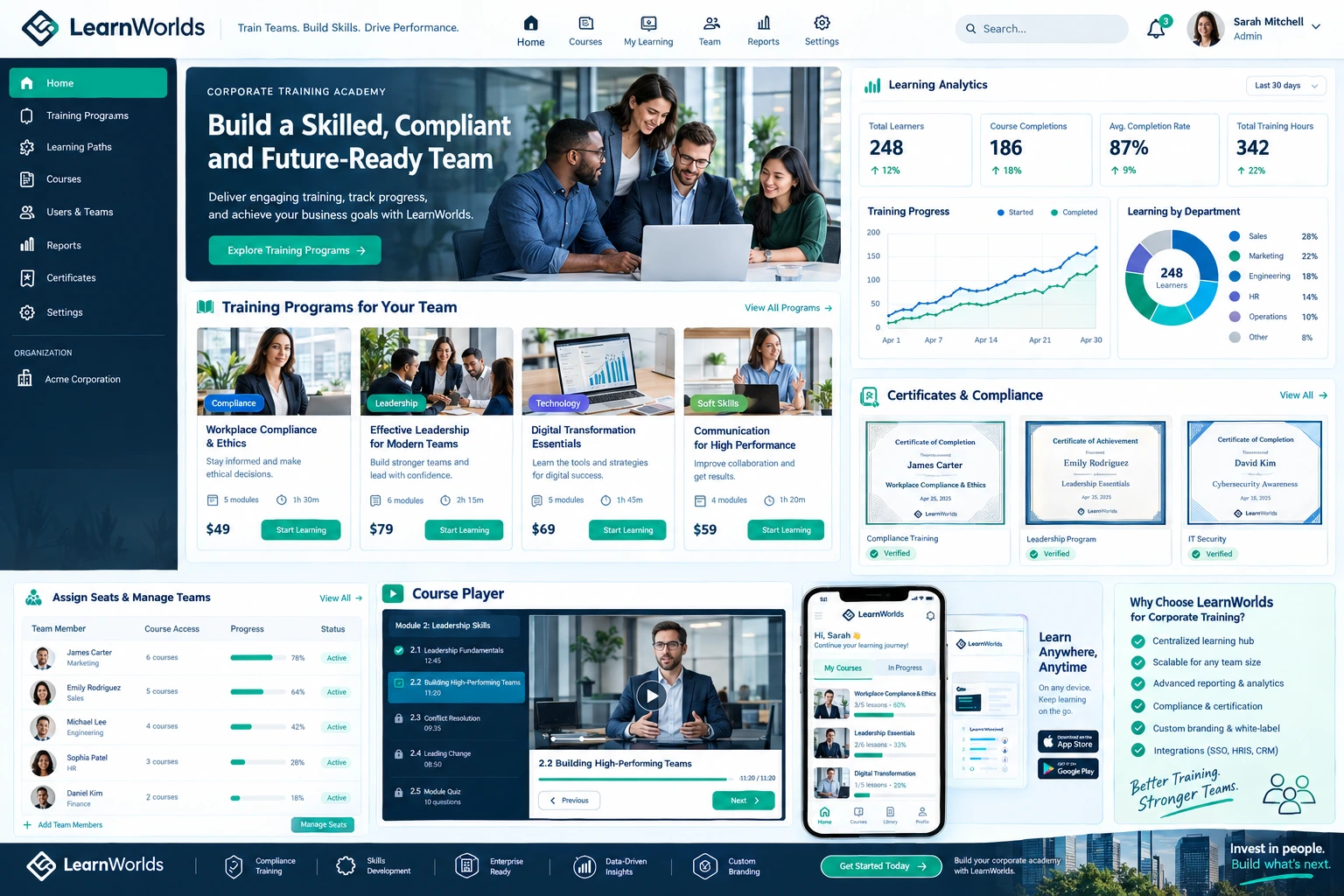
Comparison Insight: Platforms like Thinkific and Kajabi work well for external education, while LearnWorlds excels at engagement. For internal corporate training that needs to scale with AI, deep integrations, and compliance, a custom or heavily tailored LMS offers superior future-proofing.
Real-World Example of LMS Transformation
A mid-sized tech firm I worked with was stuck in the past — relying on occasional workshops and shared folders. After implementing a custom learning management system with personalized paths and analytics, they reduced onboarding time by 55%, improved skill coverage across teams, and saw employee satisfaction with training rise sharply. When market conditions shifted, they retrained departments in weeks instead of months. The LMS became their competitive edge.
Key Future Trends Powered by LMS
Looking ahead, several trends will define corporate training:
- AI and adaptive learning that evolves with the employee
- Immersive experiences using VR/AR for complex skills
- Skills-based learning over role-based training
- Real-time feedback and micro-credentials
- Stronger focus on soft skills and leadership development
A forward-thinking LMS serves as the foundation that makes these trends practical instead of theoretical.
Step-by-Step: Preparing Your Corporate Training for the Future
Here’s how to move forward practically:
- Assess Current Training Gaps — Survey employees and managers on what’s working and missing.
- Define Future Goals — Focus on retention, speed of upskilling, and measurable performance improvement.
- Evaluate Your Current LMS — Identify limitations in personalization, mobile support, and analytics.
- Explore Modern Options — Compare standard platforms with custom solutions.
- Plan a Phased Upgrade — Start with high-impact areas like onboarding or leadership development.
- Train Your Team — Ensure managers and admins know how to get the most from the system.
- Measure and Iterate — Review results quarterly and adjust learning strategies.
This approach turns future planning into immediate action.
Common Mistakes Companies Make About Future Training
- Treating LMS as a cost instead of a strategic investment
- Sticking with outdated platforms too long
- Focusing only on content volume instead of learning experience
- Ignoring the need for customization and integration
- Underestimating change management when implementing new systems
Avoiding these pitfalls helps you stay ahead rather than playing catch-up.
FAQ: The Future of Corporate Training and LMS
Will LMS replace traditional corporate training completely?
Not replace, but enhance and largely lead it. The best programs combine digital LMS learning with human coaching and hands-on practice.
How soon should companies upgrade their learning management system?
If your current setup lacks personalization, mobile access, or strong analytics, now is the right time.
Is AI in LMS worth the investment?
Yes. Early adopters are already seeing higher engagement and better skill outcomes.
Can small and mid-sized businesses benefit from future-ready LMS?
Absolutely. A well-chosen custom or scalable LMS levels the playing field against larger competitors.
What makes a truly future-proof learning management system?
Flexibility, strong data security, easy content updates, and the ability to integrate new technologies as they emerge.
Embrace the Future with the Right LMS
The future of corporate training is personalized, continuous, and deeply integrated into daily work. A powerful learning management system — especially a custom or well-tailored one — is what makes this future achievable and effective.
Companies that invest wisely today will build more capable, engaged, and loyal teams tomorrow. Don’t let outdated training methods hold your organization back.
Ready to prepare your corporate training for what’s next? Visit Digital Wind IT to explore custom LMS solutions or connect with me at Shihab Morshed for practical guidance.The game is changing. Make sure your LMS strategy positions you to win.