Choosing a learning management system is a big decision. Go with a popular off-the-shelf platform and you get speed and lower upfront cost. Build or heavily customize your own custom LMS and you get perfect alignment with your business.
After working with many companies on training systems, I’ve seen both approaches succeed — and fail — depending on the context. In this post, I’ll break down a practical custom LMS vs popular platforms comparison to help you decide what’s right for your team.
Understanding the Two Main Approaches
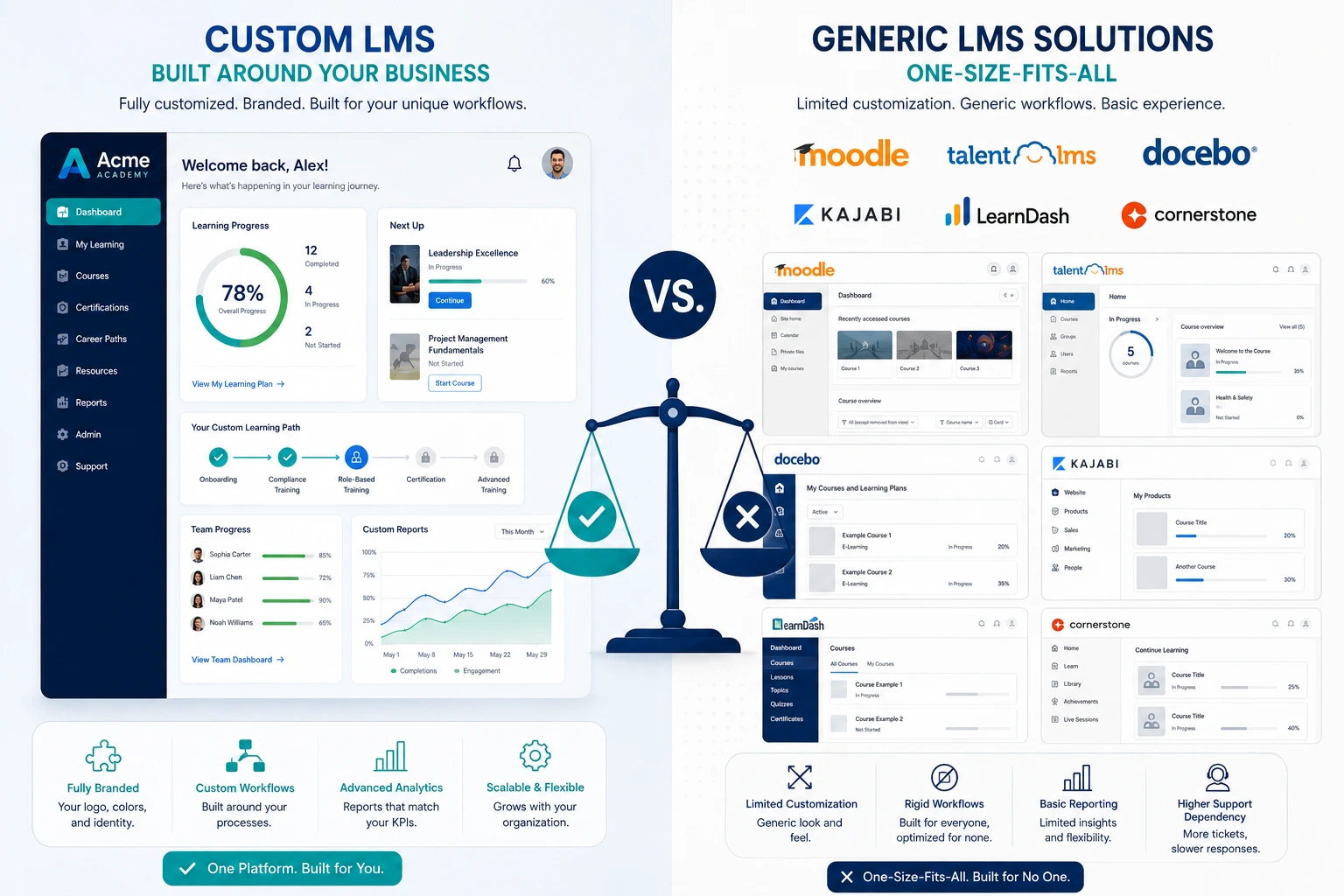
A custom LMS is either built from the ground up or significantly modified to match your exact processes, branding, compliance rules, and integrations.
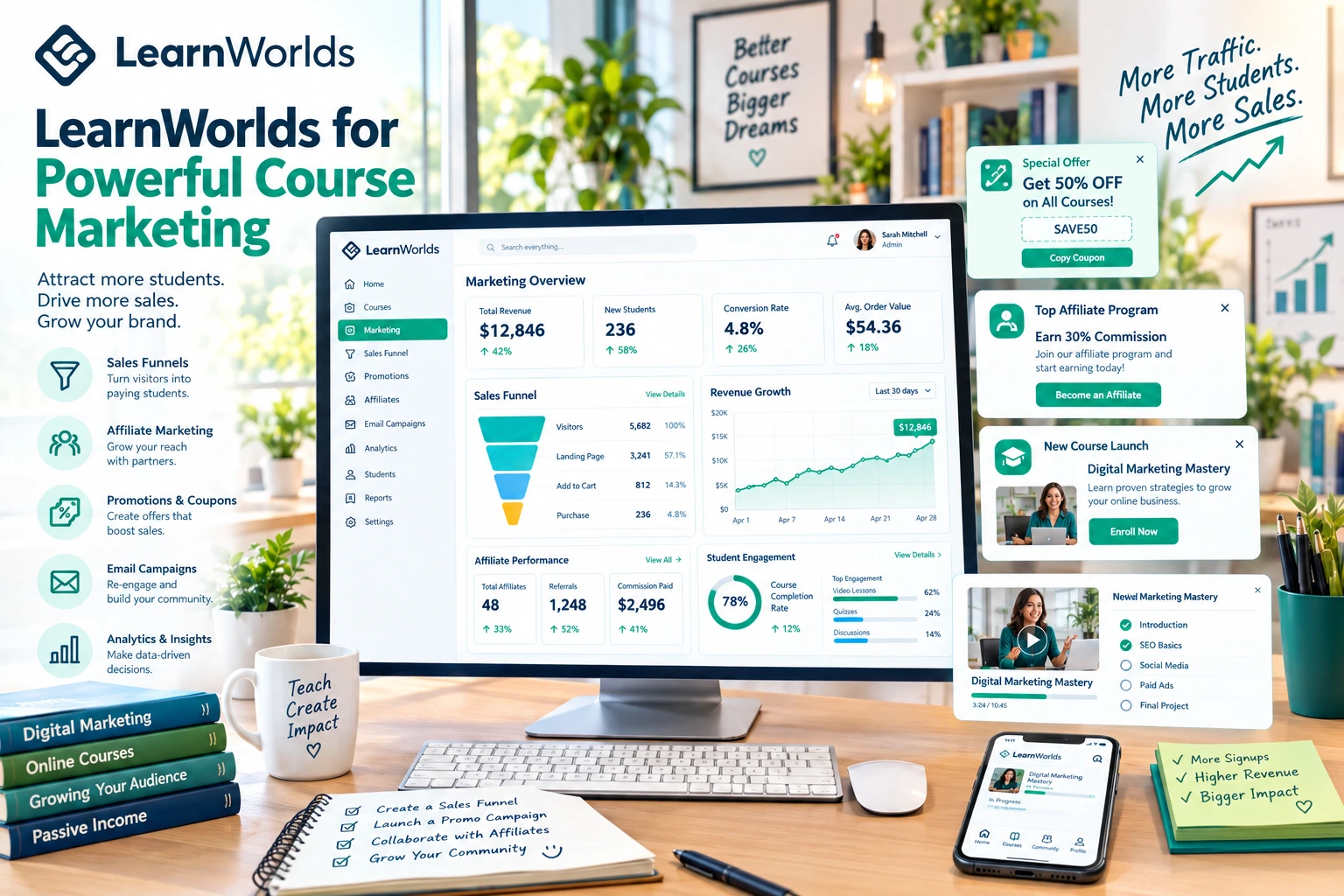
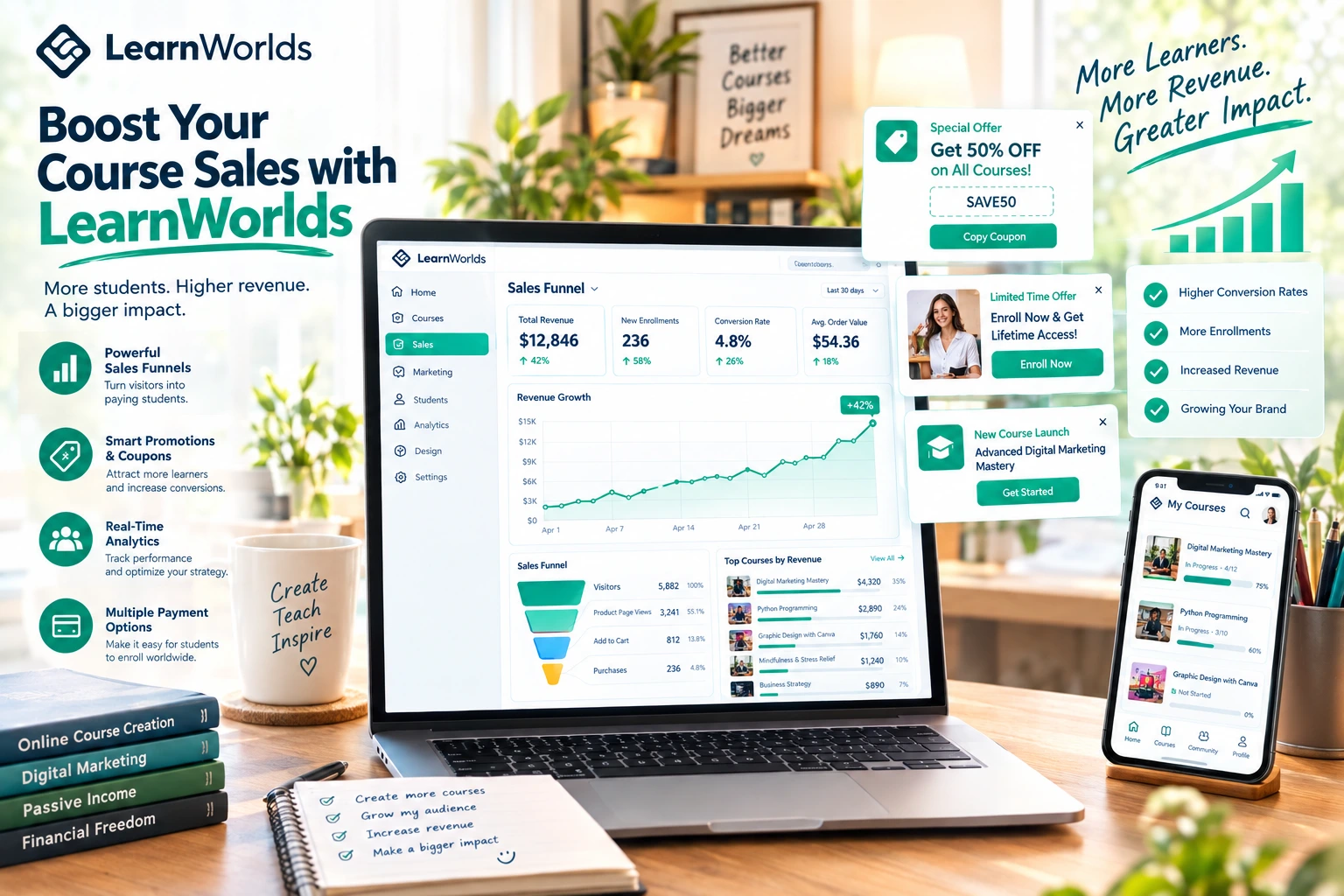
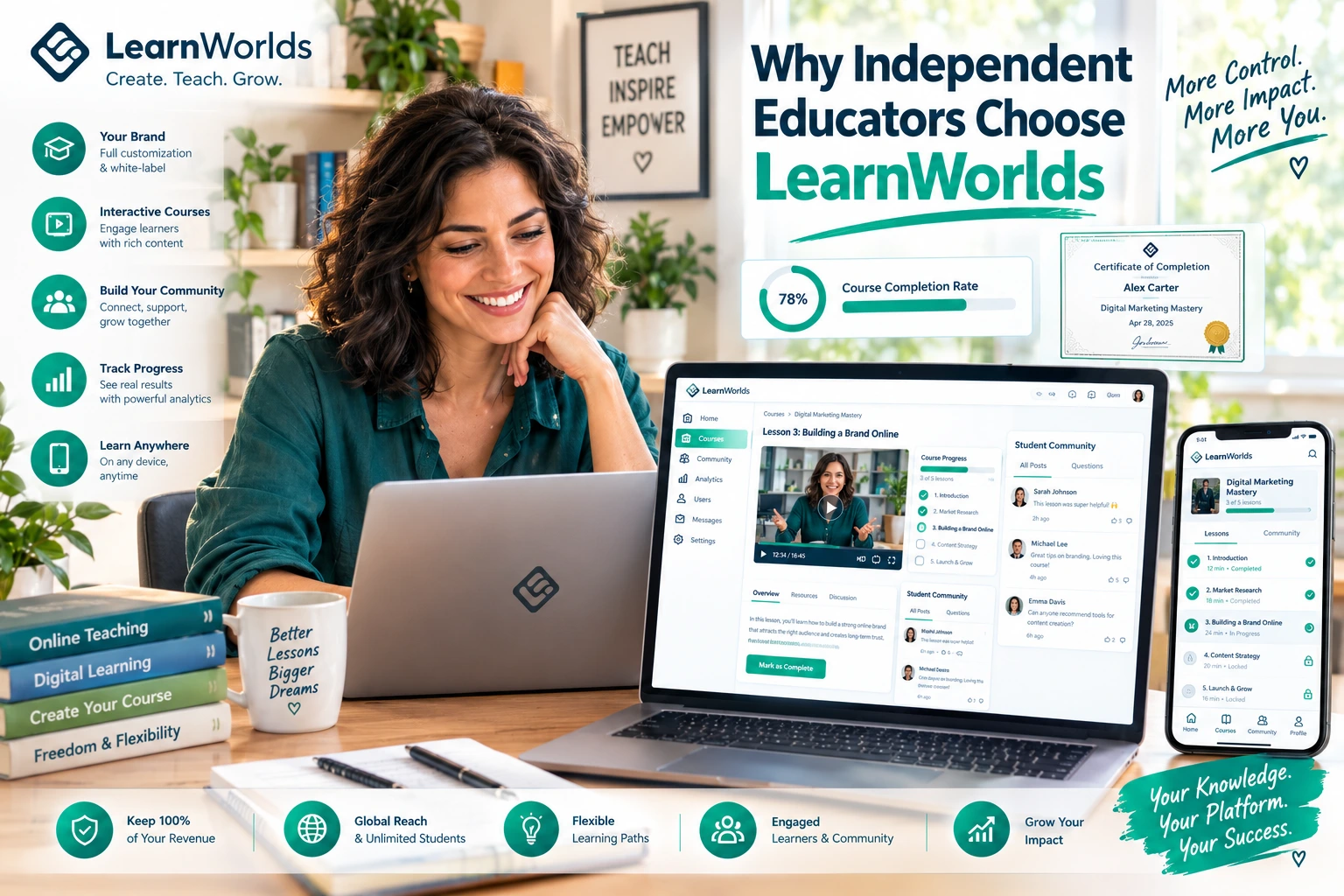
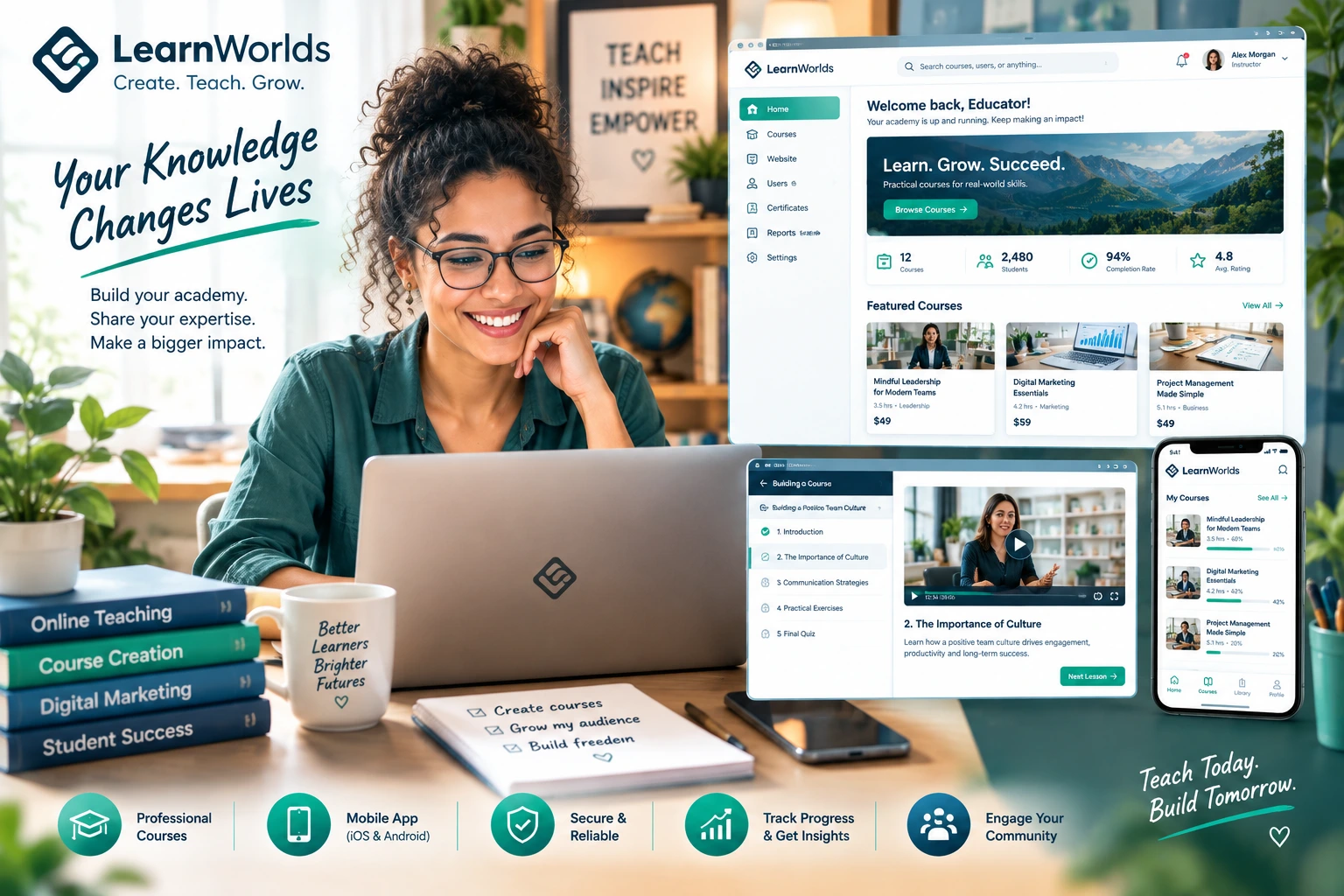
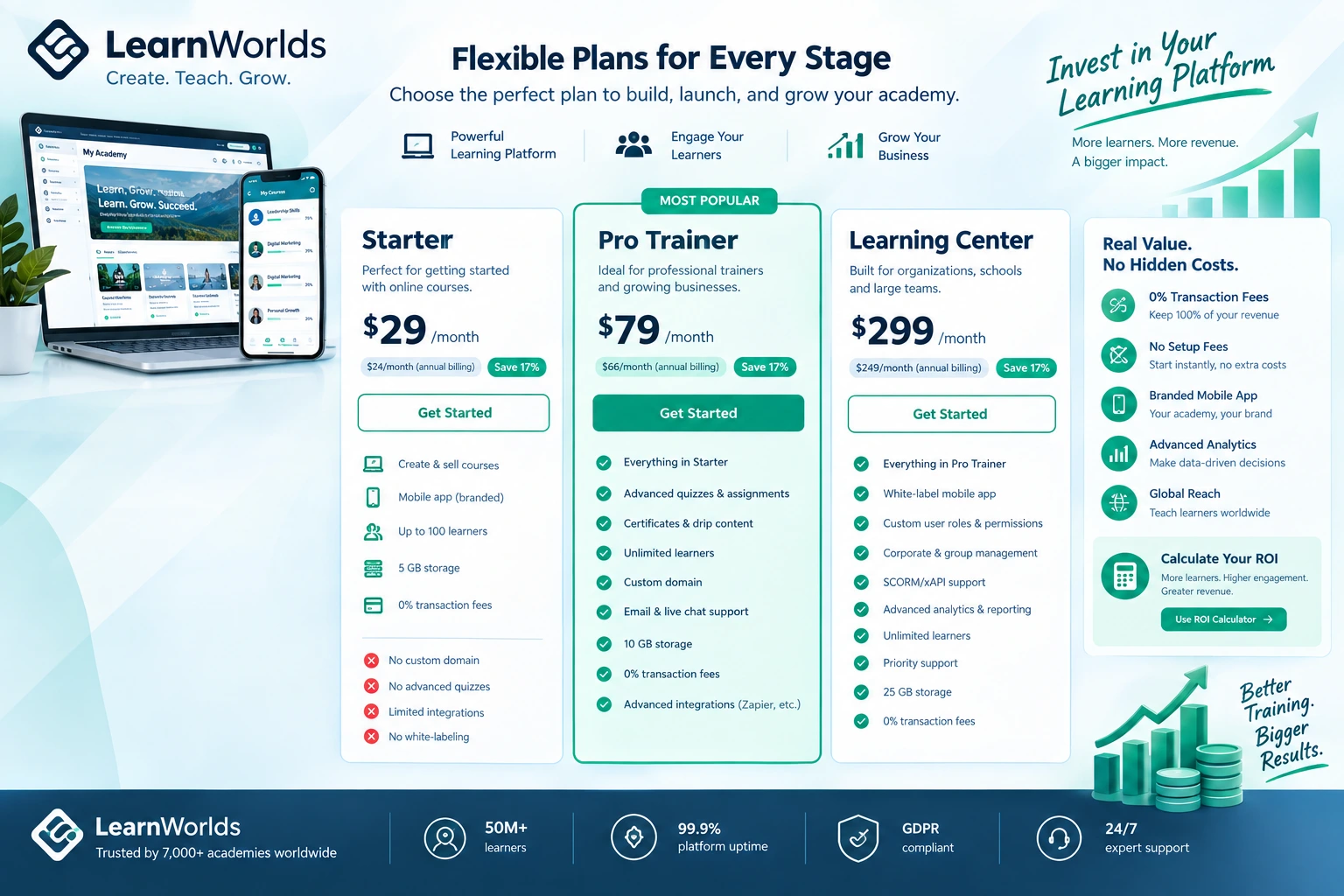
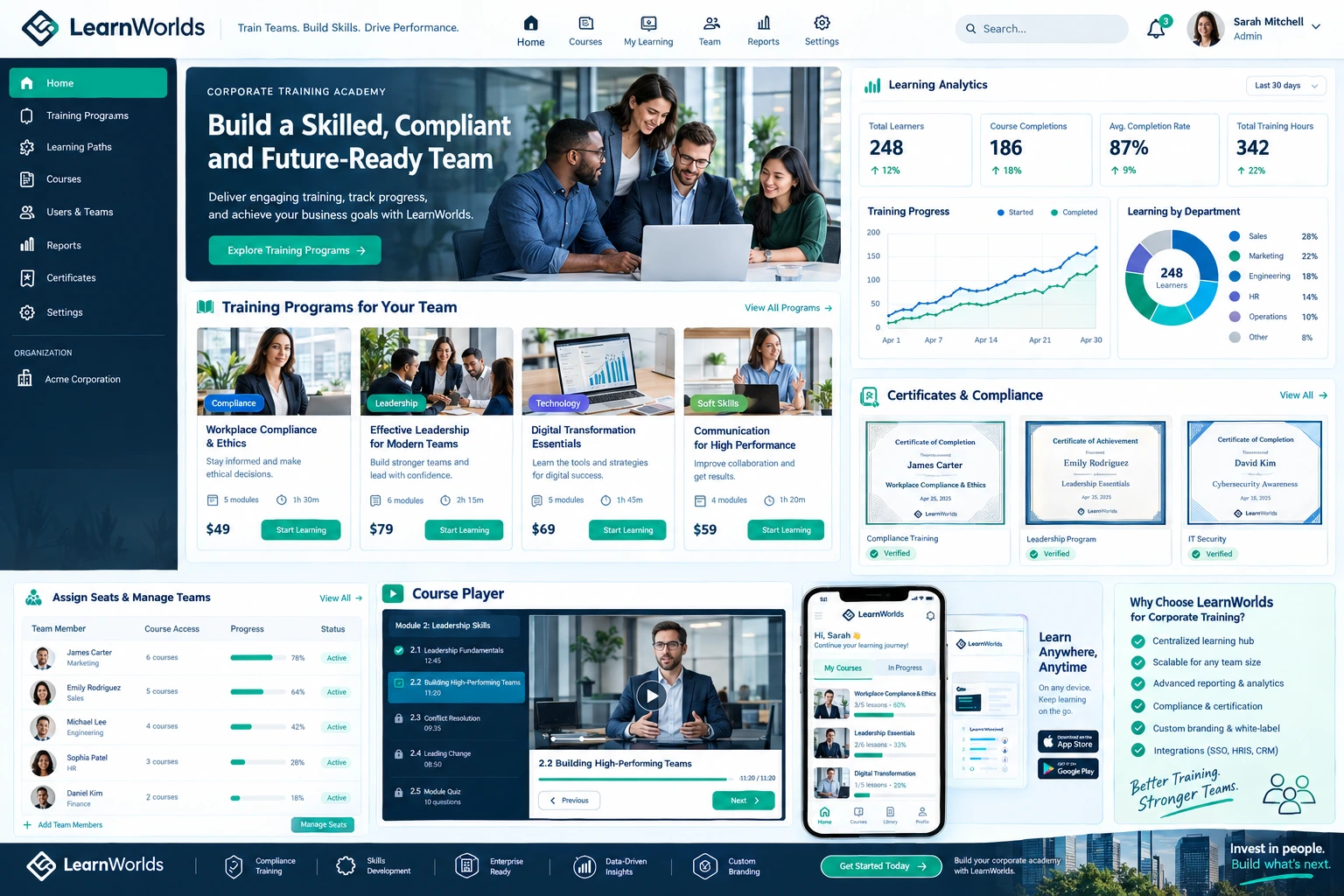
Popular platforms are ready-made solutions like Moodle, TalentLMS, Docebo, Kajabi, Thinkific, LearnWorlds, or similar tools. They offer quick setup with many built-in features.
Neither is universally better. The real question is: Does your business need standardization and speed, or deep customization and ownership?
Honest Feature Comparison: Custom LMS vs Popular Platforms
Here’s how they stack up in real scenarios I’ve encountered:
- Flexibility & Personalization Custom LMS wins easily. You can create unique learning paths, role-based dashboards, and workflows that mirror your actual operations. Popular platforms (especially Moodle or Docebo) offer good customization but still have limits. TalentLMS is simpler and faster but less flexible for complex corporate needs.
- Cost Structure Off-the-shelf platforms usually have lower initial cost with monthly per-user fees. A custom learning management system requires higher upfront investment but often becomes cheaper long-term as you avoid recurring fees and workarounds.
- Integration Capabilities Custom solutions can connect deeply with your existing HR, CRM, ERP, or internal tools. Popular platforms vary — Docebo and Moodle have strong integration ecosystems, while simpler tools like TalentLMS may need Zapier-style workarounds.
- User Experience & Branding Custom LMS lets you create a fully branded experience that feels like part of your company. Most popular platforms allow white-labeling, but the core interface still carries their DNA.
- Scalability & Ownership With a custom system, you own everything. Popular platforms are easier to scale initially but can become expensive or limiting as your needs evolve.
Real-World Example: A logistics company I worked with outgrew TalentLMS because their compliance and route-specific training needed very specific structures. Moving to a tailored solution cut training time significantly and improved audit readiness.
When to Choose a Custom LMS
Consider a custom learning content management system when:
- You have complex or unique training requirements
- Data privacy and full ownership matter deeply
- You need tight integrations with proprietary systems
- You plan for long-term use (3+ years)
- Generic content formats don’t match your industry
This matches what many growing mid-sized companies eventually need.
When Popular Platforms Make More Sense
Go with established platforms when:
- You need to launch training quickly
- Your budget is tighter upfront
- Your training needs are relatively standard
- You want strong community support and regular updates
For example,Kajabi works excellently for companies focused on customer education or course selling. LearnWorlds shines with interactive course creation. Moodle remains popular for educational institutions due to its open-source nature.
Step-by-Step: How to Decide Between Custom LMS and Popular Platforms
- List Your Non-Negotiable Requirements — Compliance, specific integrations, unique workflows.
- Calculate 3-Year Total Cost — Include subscriptions, customization, time, and potential productivity impact.
- Test Real Platforms — Try demos of TalentLMS, Docebo, Moodle, and others.
- Talk to Similar Companies — Learn what actually worked for businesses in your industry.
- Consider Hybrid Approach — Many start with a good platform and later move toward heavy customization.
- Evaluate Long-Term Vision — Where do you see your training needs in 2–3 years?
Common Mistakes in Choosing an LMS
- Focusing only on features and ignoring user adoption
- Underestimating ongoing content creation and maintenance effort
- Choosing based on price alone
- Not involving actual learners and managers in the decision
- Assuming one solution will fit perfectly forever
I’ve seen companies waste months on the wrong platform because they skipped proper evaluation. If you’re unsure, structured guidance helps — feel free to check my work at Shihab Morshed or explore development options at Digital Wind IT.
FAQ: Custom LMS vs Popular Platforms
Is a custom LMS always more expensive?
Not necessarily. While the initial cost is higher, many businesses save money over 2–3 years by avoiding per-user fees and inefficiencies.
Can popular platforms like Moodle be customized enough?
Moodle is highly customizable because it’s open source, but it still requires significant technical expertise compared to a purpose-built custom solution.
Which is better for small businesses?
Popular platforms like TalentLMS or Kajabi are usually better starting points due to lower risk and faster setup.
How long does implementing a custom LMS take?
Typically 3–8 months depending on complexity, while popular platforms can go live in weeks.
Can I start with a popular platform and switch to custom later?
Yes. Many companies do exactly that — using the experience to define exact requirements for a future custom learning management system.
Making the Right Choice for Your Business
There’s no single winner in the custom LMS vs popular platforms debate. The best solution depends on your size, industry, budget, and long-term goals.
A well-chosen learning management system — whether custom or a smart off-the-shelf option — dramatically improves training outcomes, employee satisfaction, and business performance.
If you’re evaluating options right now, take time to match the tool to your actual needs instead of chasing the shiniest features. Need help figuring out the best path? Reach out through Digital Wind IT or connect with me at shihabmorshed.com.The right LMS decision compounds over time. Choose wisely.