Regulatory requirements and industry standards are becoming stricter every year. Whether you operate in healthcare, finance, manufacturing, education, or government, proving consistent employee training is no longer optional. Non-compliance can result in heavy fines, legal issues, and damaged reputation.
Generic learning management systems often fall short when it comes to specific compliance needs. This is where a custom LMS stands out. It can be designed and configured to align precisely with your industry’s standards and internal policies.
In my work helping organizations build tailored training platforms, I’ve seen how a well-designed custom learning management system turns compliance from a headache into a smooth, automated process.
Why Generic LMS Platforms Struggle with Industry Standards
Most popular platforms are built for broad use. They offer basic tracking but lack the deep customization needed for specialized regulations. You end up using workarounds, manual processes, or additional tools — increasing both risk and cost.
A custom LMS is built around your requirements from the ground up, making it much easier to meet and prove compliance.
Key Ways a Custom LMS Supports Industry Standards
Here are the most important advantages:
- Tailored Compliance Training Paths — Create role-specific courses that match exact regulatory requirements.
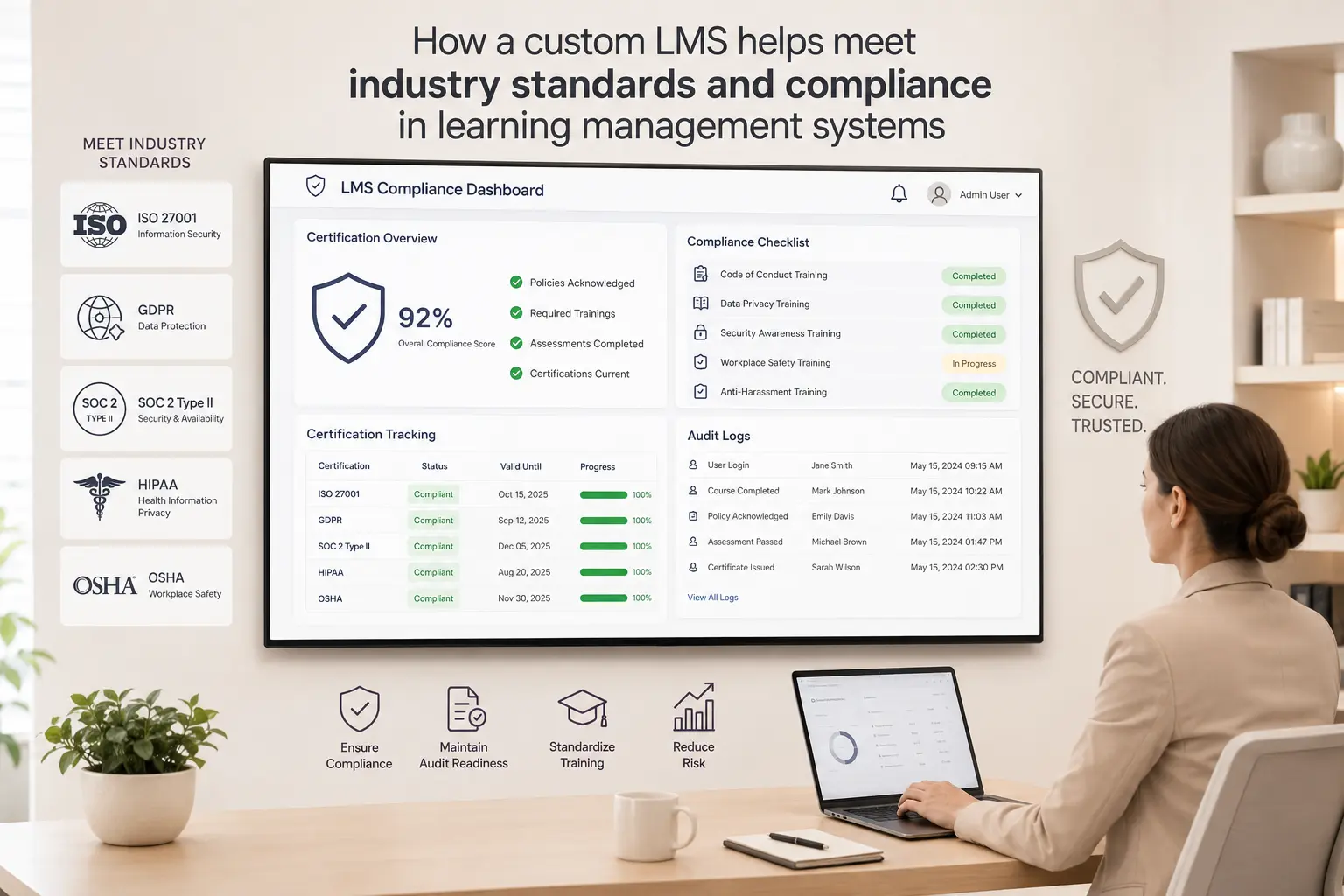
- Automated Audit Trails — Every login, course completion, and assessment is logged with timestamps and user details.
- Custom Reporting — Generate reports in the exact format auditors or regulators demand.
- Version Control & Policy Updates — Update training content instantly when standards change and prove who was trained on which version.
- Certification & Renewal Management — Automate expiry notifications and re-certification workflows.
- Data Security & Privacy Controls — Implement industry-specific security measures (e.g., HIPAA, GDPR, SOC 2).
These features give you confidence during audits and reduce compliance risk significantly.
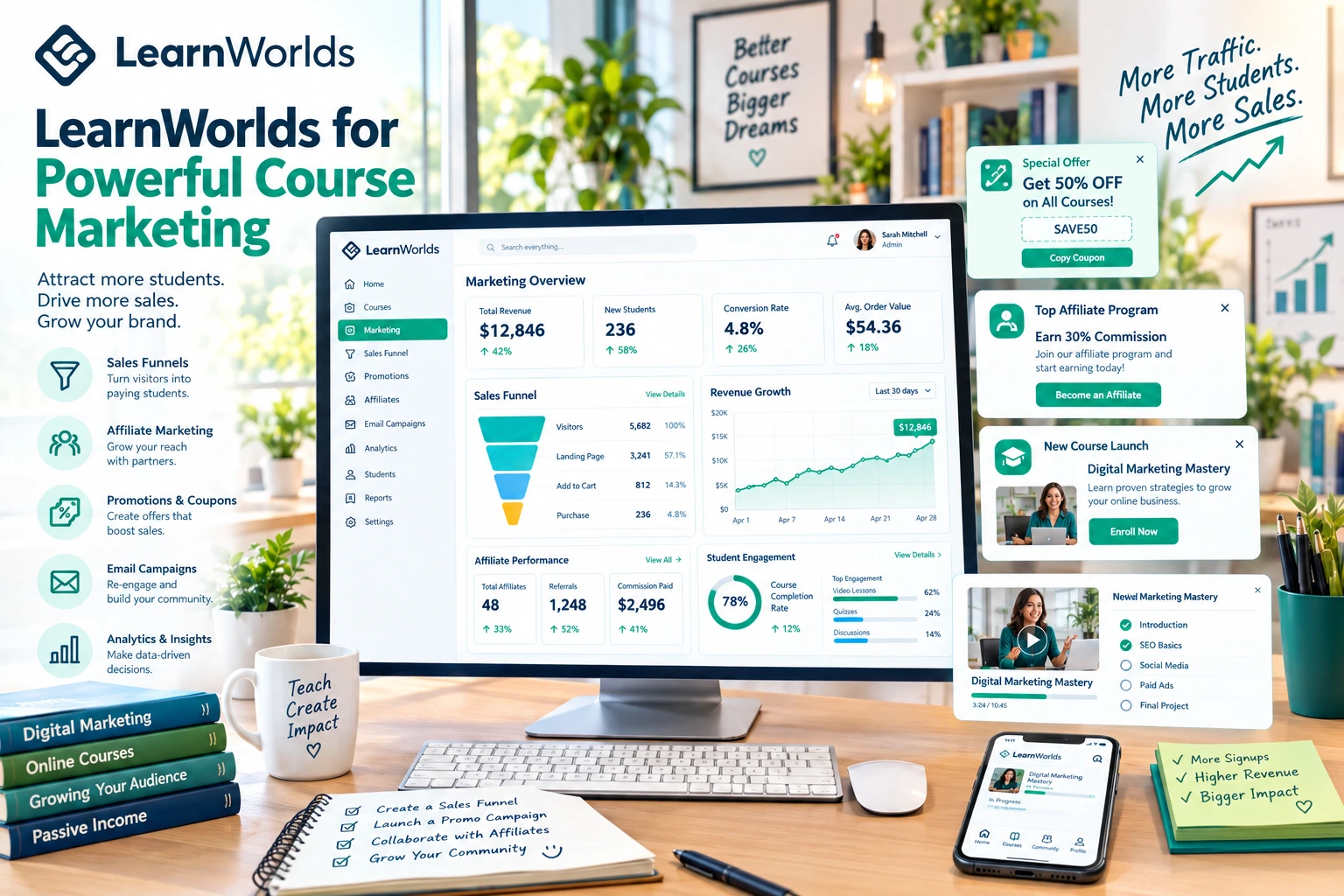
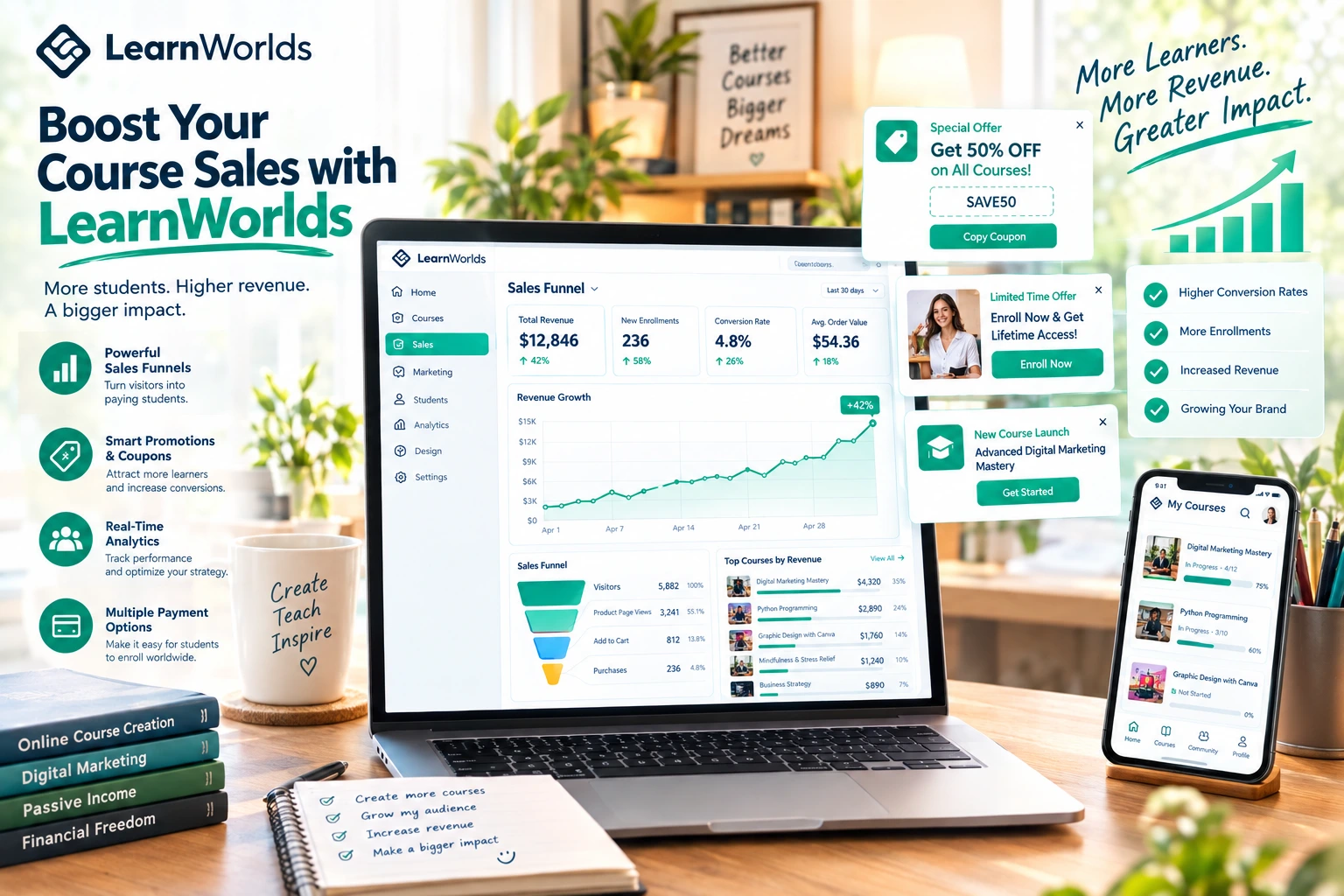
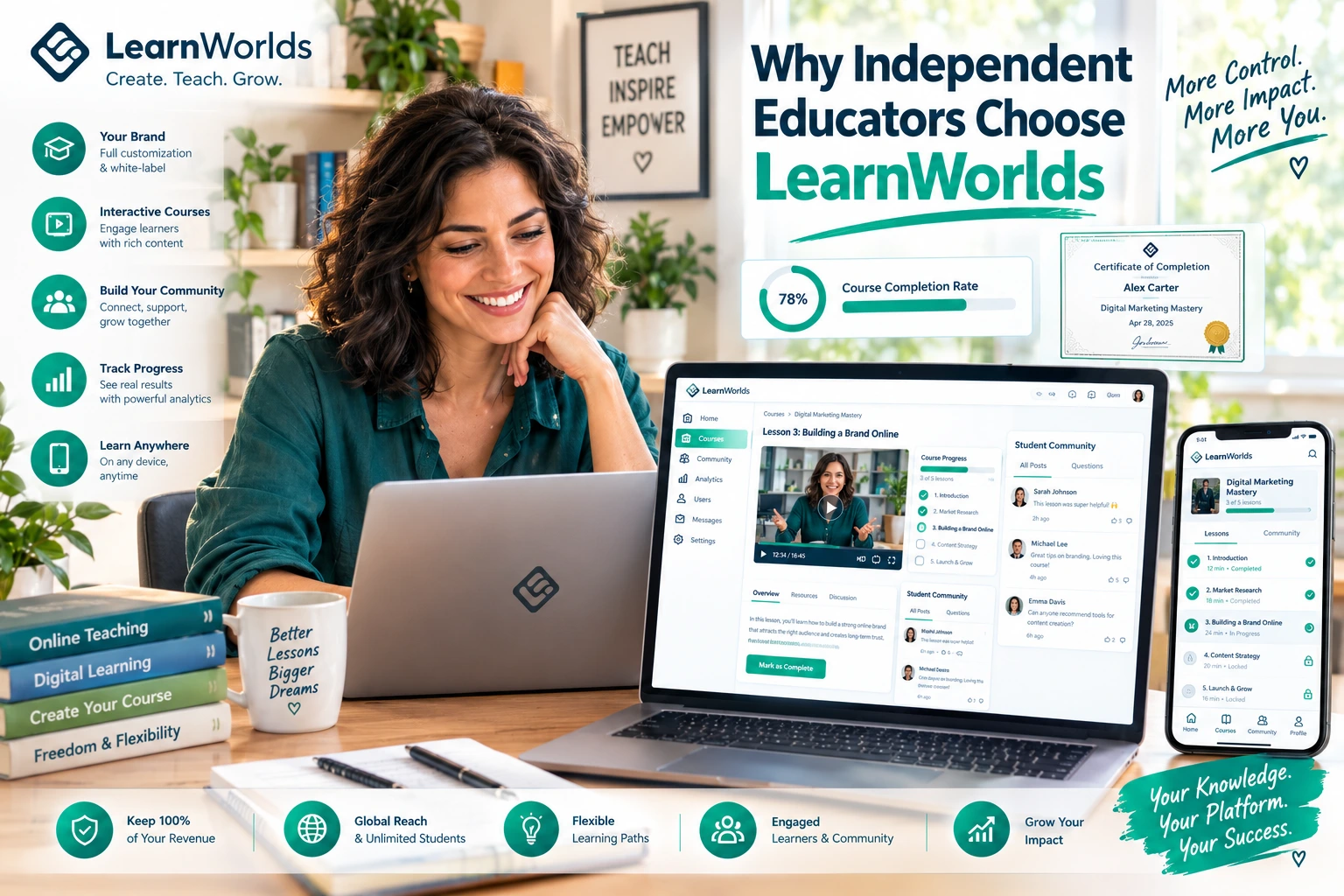
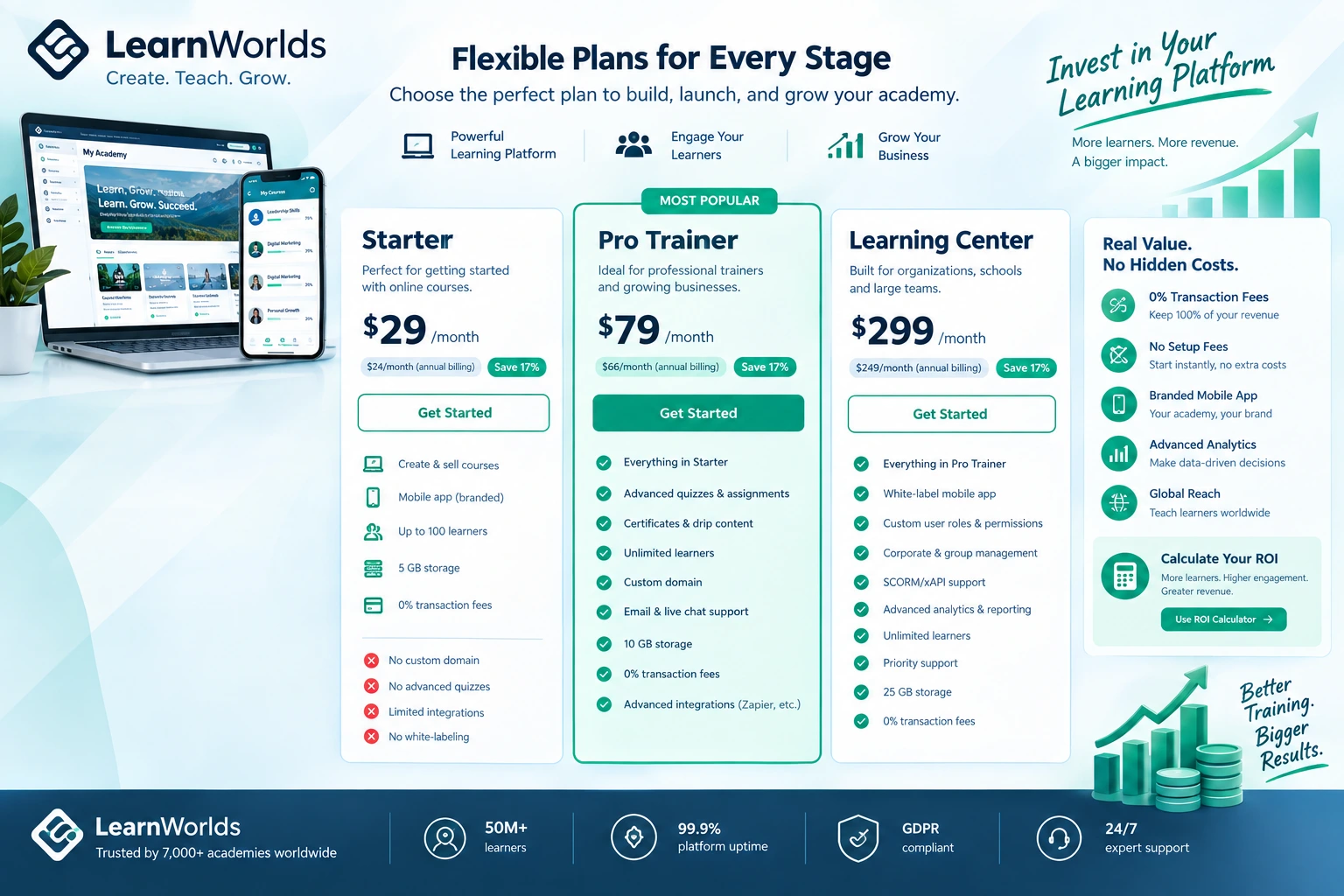
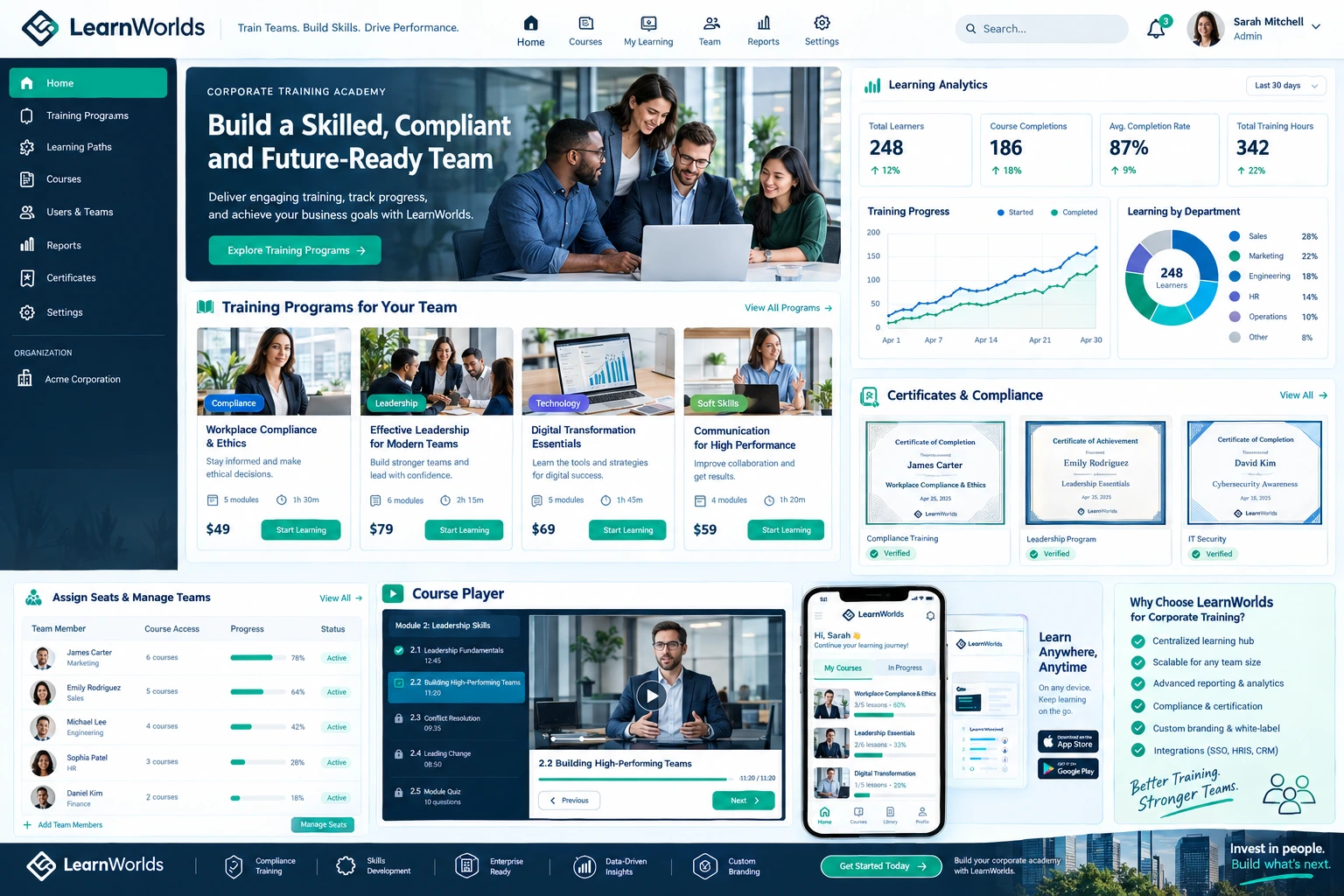
Comparison Insight: Platforms like Thinkific and LearnWorlds are excellent for general course delivery. However, for strict industry standards involving sensitive data, detailed audit requirements, or complex workflows, a custom LMS provides the control and flexibility that packaged solutions cannot match.
Real-World Example
A healthcare provider I worked with faced recurring issues during audits because their previous LMS couldn’t properly track who completed specific HIPAA training modules. After implementing a custom learning management system, they gained automated assignment based on roles, detailed audit logs, and one-click compliance reports. Their next three audits passed with zero findings, and preparation time was reduced by over 70%.
Step-by-Step: Implementing a Standards-Compliant Custom LMS
Here’s how to do it effectively:
- Identify Applicable Standards — List all relevant regulations and internal policies for your industry.
- Document Requirements — Work with compliance officers to define exact tracking, reporting, and security needs.
- Design Custom Features — Build automated workflows, specialized reporting, and security controls.
- Develop Secure Architecture — Ensure data protection meets or exceeds industry requirements.
- Test Rigorously — Run mock audits and gather feedback from compliance teams.
- Train Administrators — Make sure your team can manage compliance features independently.
- Schedule Regular Reviews — Plan periodic updates as standards evolve.
This structured approach helps you achieve and maintain compliance efficiently.
Common Mistakes Businesses Make
- Assuming a generic LMS is “good enough” for compliance
- Not involving compliance experts during system design
- Poor version control when policies change
- Inadequate audit logging capabilities
- Failing to test real audit scenarios before launch
These errors create unnecessary risk. Partnering with an experienced developer helps avoid them. Explore reliable options at Digital Wind IT.
FAQ: Custom LMS and Industry Standards
Can a custom LMS guarantee compliance?
It significantly reduces risk and makes compliance easier to prove, but ultimate responsibility always lies with your organization.
Which industries benefit most from a custom LMS?
Healthcare (HIPAA), finance (SOX, AML), manufacturing (safety standards), and government/contractor work benefit greatly.
Is a custom LMS more expensive for compliance?
Initial investment is higher, but it usually saves money through reduced audit stress, fewer violations, and lower administrative costs.
How do I maintain compliance when regulations change?
A good custom learning management system makes content updates fast and tracks all changes clearly.
Can small businesses afford a compliance-focused custom LMS?
Yes. Many start with focused features for their specific industry requirements and expand over time.
Achieve Compliance with Confidence
A custom LMS gives you the tools, automation, and documentation needed to meet industry standards consistently. Instead of struggling to fit your processes into a generic platform, you create a system that supports both compliance and effective learning.
If regulatory requirements keep you up at night or consume too much time, a tailored learning management system can provide real peace of mind and operational efficiency.
Ready to build a compliant and effective training platform? Visit Digital Wind IT for custom development expertise or reach out through my site to discuss your industry needs.Meeting standards shouldn’t be difficult. The right custom LMS makes it straightforward and reliable.