I’ve spent years helping entrepreneurs build and scale online stores, and one lesson keeps coming back: a good Shopify expert can accelerate your growth, while the wrong one becomes an expensive headache. Whether you’re launching a Shopify dropshipping store or need ongoing Shopify support, picking the right partner matters more than most people realize.
In this guide, I’ll walk you through exactly what to look for, red flags to avoid, and the questions that reveal true expertise. No fluff—just practical steps I’ve used when vetting collaborators and advising clients.
Why Hiring the Right Shopify Expert Matters
Shopify powers millions of stores, but the platform’s flexibility is a double-edged sword. You can customize almost anything, but poor decisions lead to slow sites, broken checkout flows, or apps that conflict with each other.
A skilled Shopify expert does more than install themes. They understand conversion optimization, mobile performance, SEO basics, and how Shopify dropshipping logistics actually work in practice. They save you time and money while building a foundation that scales.
From my experience, businesses that invest wisely in expert help often see faster revenue growth and fewer technical issues down the line. The difference between a $2k quick fix and a $10k strategic build can be night and day.
What Makes a Great Shopify Expert?
Not all Shopify experts are created equal. Here’s what separates the professionals from the rest:
Proven Track Record with Similar Stores
Look for experience with stores in your niche or at your revenue stage. Someone who’s only built small brochure-style sites might struggle with a high-volume Shopify dropshipping operation.
Shopify Partner Status
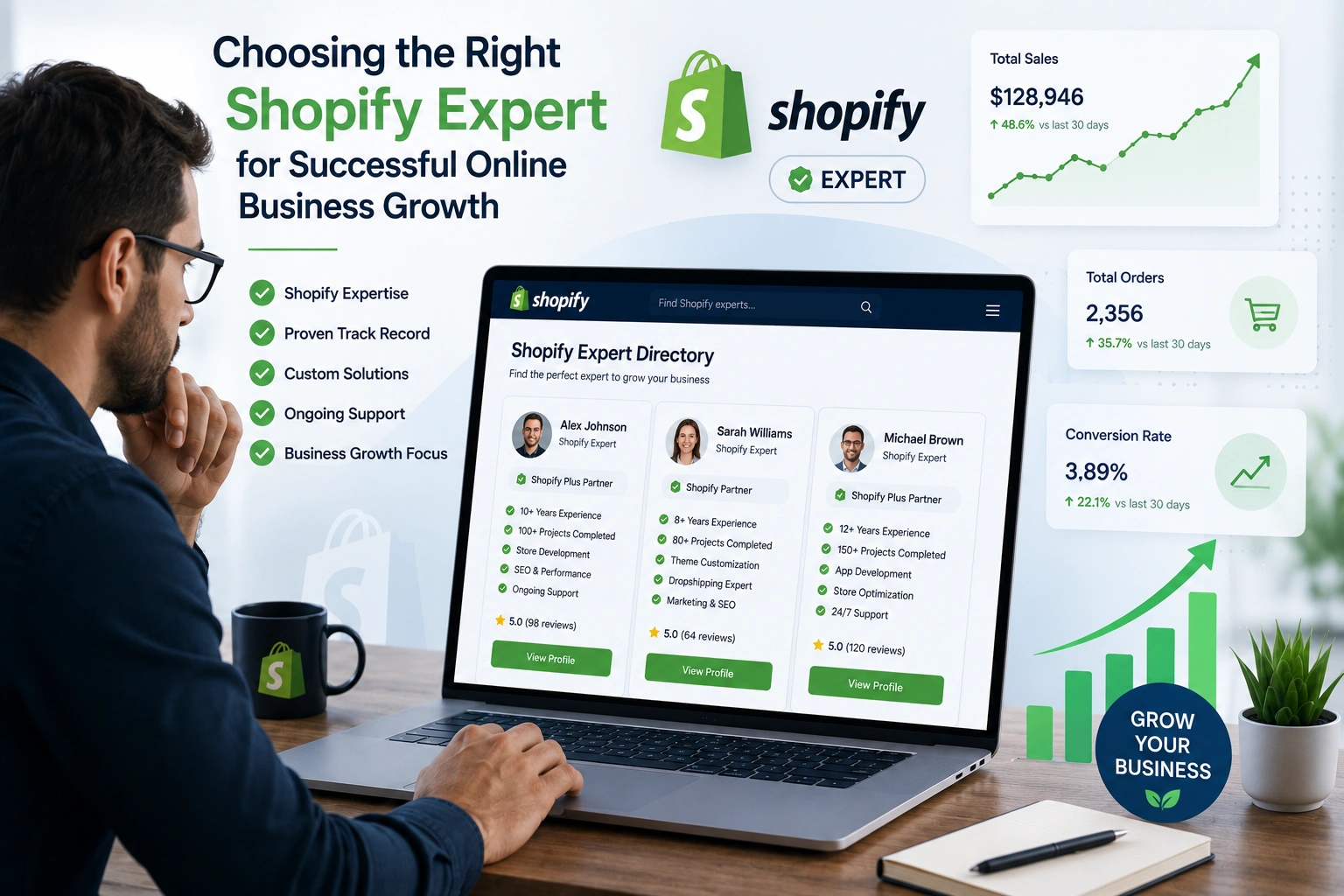
Check their status in the official Shopify Partner Directory. Higher-tier partners (Select, Plus, etc.) have demonstrated consistent results and platform knowledge.
Technical + Strategic Skills
Great experts combine Liquid coding ability, app ecosystem knowledge, and business sense. They ask about your goals before talking pricing.
Communication and Process
They explain things clearly, set realistic timelines, and provide ongoing Shopify support options.
Real-World Example: From Stuck to Scaling
One client came to me after hiring a cheap freelancer who customized their theme heavily but broke mobile responsiveness and slowed load times. Sales dropped despite decent traffic.
We brought in a proper Shopify expert who audited the store, cleaned the code, optimized for Shopify dropshipping suppliers, and integrated better apps. Within three months, conversion rate improved by over 40%, and the client could actually manage the store without constant developer help.
The lesson? Cheap often costs more in lost sales and rework.
Step-by-Step Guide: How to Choose Your Shopify Expert
Follow this process to make a confident decision:
- Define Your Needs Clearly Write down specific requirements—new store build, theme customization, app integration, migration, ongoing maintenance, or Shopify dropshipping optimization. The clearer you are, the better responses you’ll get.
- Search in the Right Places Start with the official Shopify Partner Directory. Filter by services, location, and reviews. Also check platforms like Clutch or personal recommendations, but verify everything.
- Review Portfolio and Case Studies Don’t just look at pretty screenshots. Ask for links to live stores and metrics—conversion improvements, load time reductions, or revenue growth. Pay attention to stores similar to yours.
- Interview Candidates Ask these questions:
- How do you handle custom functionality without bloating the theme?
- What’s your process for testing and launching changes?
- How do you approach Shopify support after project completion?
- Can you share a challenging project and how you solved it?
- Check References and Communication Speak with past clients. Notice how quickly and clearly the expert responds during your conversations.
- Compare Proposals Look beyond price. The best proposal explains approach, deliverables, timeline, and support terms.
Common Mistakes to Avoid When Hiring Shopify Help
I’ve seen these errors repeatedly:
- Choosing Based on Price Alone The lowest bid often leads to rushed work, theme piracy, or code that’s impossible to maintain. A slightly higher investment in quality usually pays off quickly.
- Ignoring Post-Launch Support Many stores need ongoing tweaks. Make sure your Shopify expert offers clear Shopify support packages or handover training.
- Skipping Technical Due Diligence Ask how they optimize for speed, handle updates, and ensure security. Vague answers are a red flag.
- Not Planning for Scale Your needs today might change in six months. Choose someone who builds with growth in mind, especially for Shopify dropshipping stores handling more orders.
Comparing Freelancers vs. Agencies vs. Dedicated Experts
Freelancers can be great for small, well-defined tasks and often cost less. Agencies bring teams and processes but may have higher overhead. Dedicated Shopify experts (often experienced independents or small specialized teams) frequently offer the best balance—personal attention plus deep platform knowledge.
In my work, I’ve found that for most growing stores, a strong individual expert or small team delivers better continuity than rotating agency staff.
For broader platform context, Shopify’s own resources are excellent for understanding capabilities before hiring help.
FAQ: Choosing a Shopify Expert
How much does it cost to hire a Shopify expert?
Rates vary widely. Simple customizations might start at a few hundred dollars, while full store builds or complex Shopify dropshipping setups can range from $3,000–$15,000+. Focus on value and ROI rather than the lowest number.
What should I look for in a Shopify Partner?
Prioritize proven results, client reviews, relevant experience, and clear communication. Higher-tier Partners generally have stronger track records.
Can a Shopify expert help with dropshipping specifically?
Yes. Experienced professionals understand supplier integrations, automated order fulfillment, product import tools, and optimization for high-volume stores.
How long does a typical Shopify project take?
It depends on scope. A new store with custom design might take 4–8 weeks. Smaller optimizations can be done in days. Always get a clear timeline upfront.
Should I hire someone local or is remote fine?
Remote works extremely well in this field. Focus on expertise and communication rather than location. Many top experts serve global clients.
What if things go wrong after hiring?
Use clear contracts with milestones and payments. Choose experts who offer revisions and post-launch support. Starting with a small test project can reduce risk.
Ready to Build Your Shopify Success?
Choosing the right Shopify expert is one of the most important decisions for your ecommerce journey. Take time to evaluate properly, ask tough questions, and prioritize experience and fit over the cheapest option.
If you’re looking for straightforward advice or hands-on Shopify support, feel free to reach out. I’ve helped many businesses avoid the common pitfalls and build stores that actually perform.
Check out my services at Shihab Morshed or explore more digital growth strategies at Digital Wind IT.
Start with clarity on your goals, vet thoroughly, and you’ll set yourself up for long-term success on Shopify.