Not all LMS developers are the same. A developer who excels at general eLearning might struggle with the strict compliance needs of healthcare or the complex workflows in manufacturing. Choosing the right LMS developer for your industry can mean the difference between a system that drives results and one that creates ongoing frustration.
From my experience helping businesses across various sectors build training platforms, industry alignment matters more than most people realize. In this guide, I’ll show you exactly how to find a developer who understands your unique challenges and regulatory environment.
Why Industry Expertise Matters in LMS Development
Every industry has its own training requirements, compliance standards, user behaviors, and integration needs. A generic learning management system often fails to address these nuances.
For example:
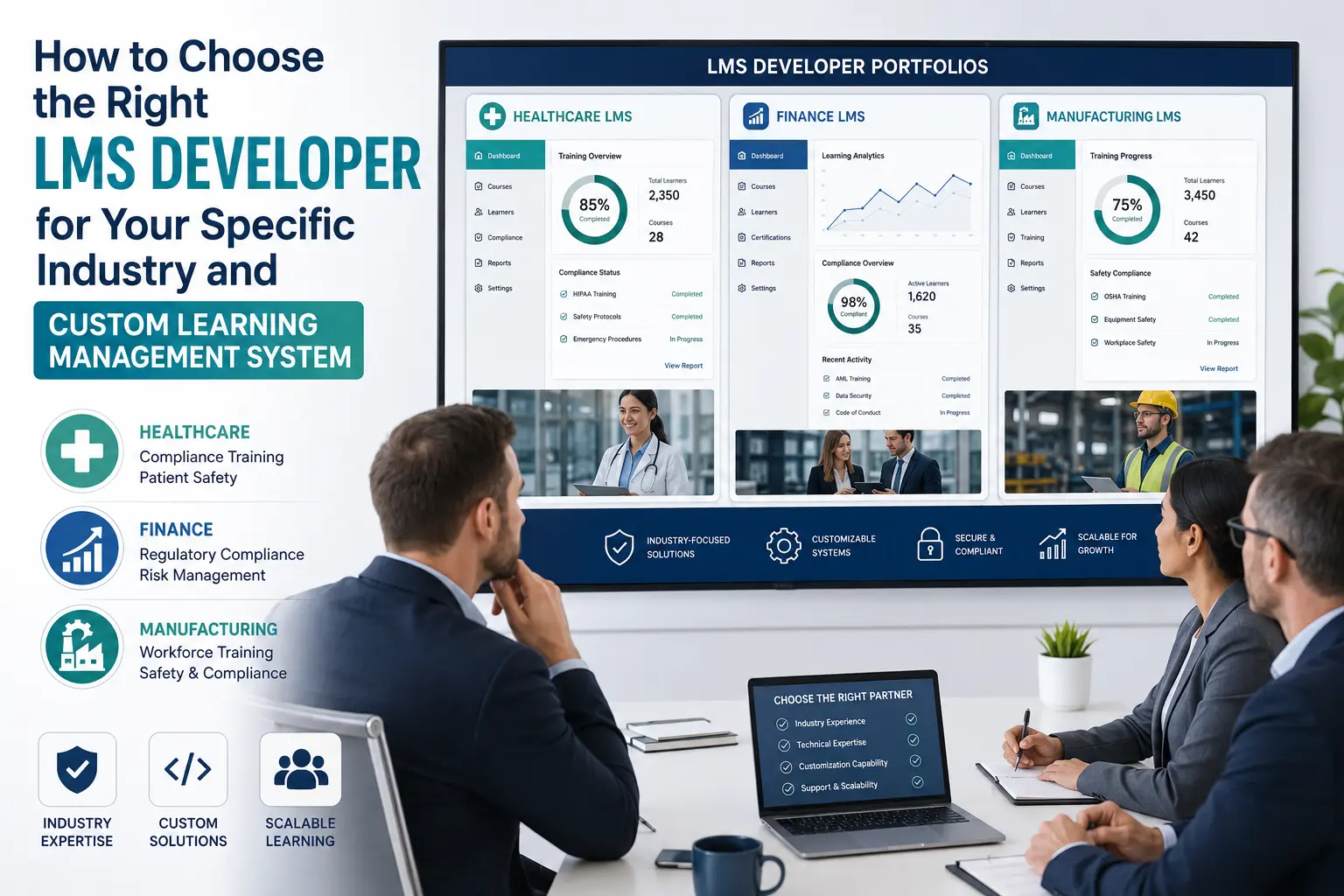
- Healthcare needs HIPAA-compliant tracking and clinical scenario-based learning.
- Finance requires audit trails for anti-money laundering and data security training.
- Manufacturing demands offline access for factory floor workers and safety certification management.
- Retail focuses on fast onboarding and customer service scenarios.
A developer familiar with your industry will ask better questions, suggest relevant features, and help you avoid costly mistakes.
Key Factors to Consider When Choosing an LMS Developer
Here’s what actually separates good developers from great ones for your sector:
- Relevant Industry Portfolio — Look for past projects in your field, not just general corporate training.
- Regulatory Knowledge — They should understand GDPR, HIPAA, SOC 2, ISO standards, or industry-specific rules.
- Integration Experience — Ability to connect with your existing systems (HRIS, ERP, CRM).
- Technical Expertise — Modern, scalable architecture with strong security practices.
- Understanding of Adult Learning — Collaboration with instructional designers who know your industry’s content style.
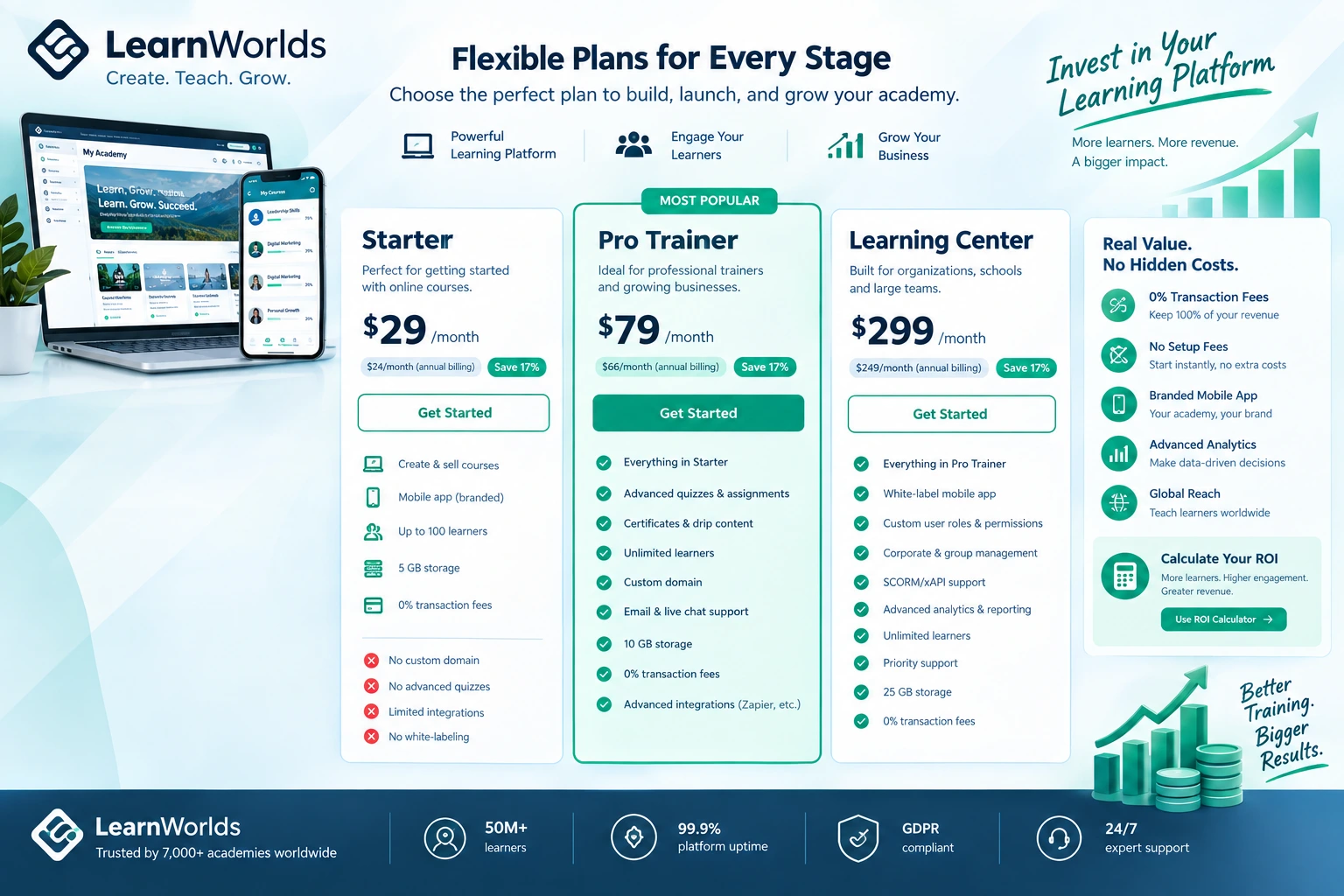
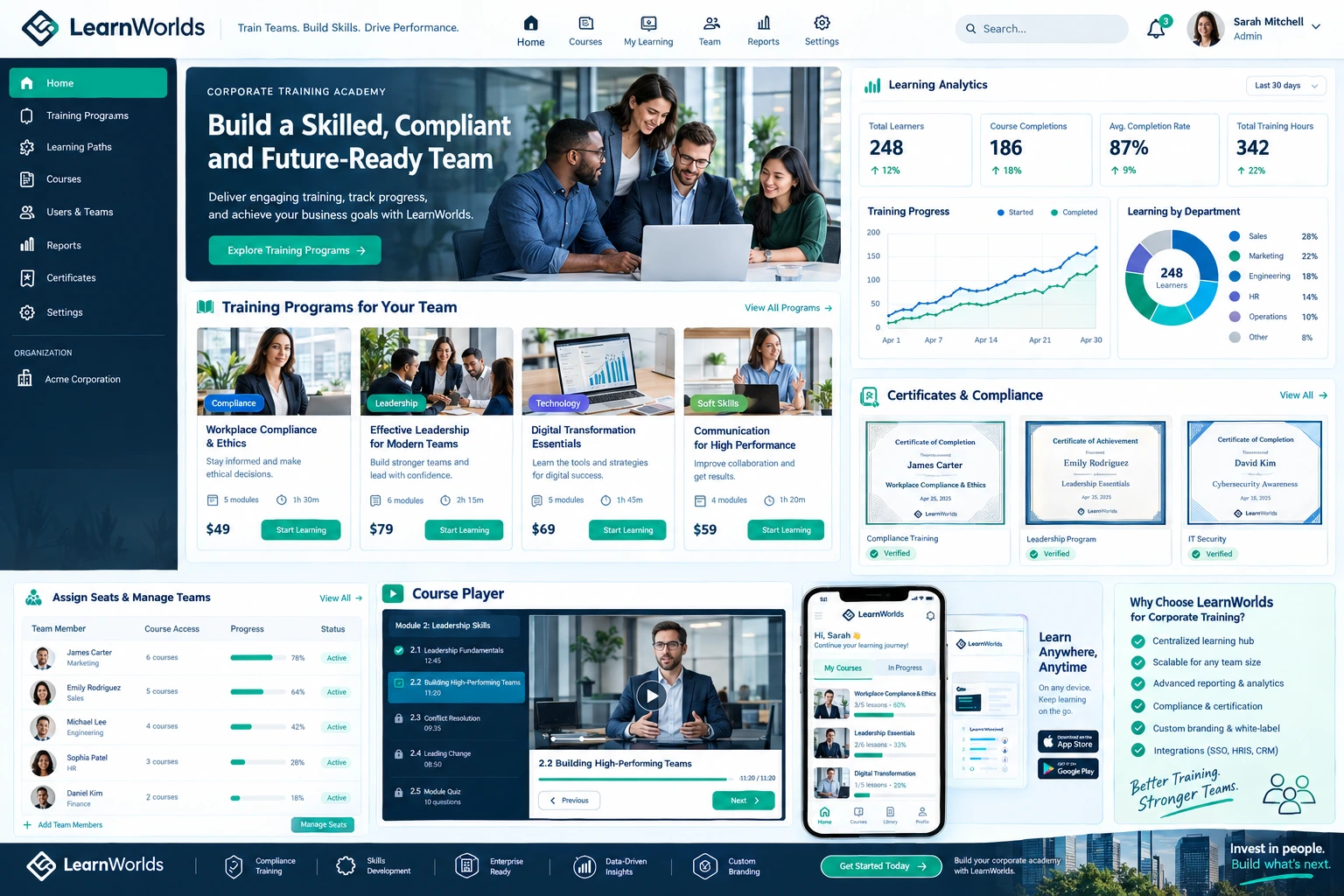
Comparison Insight: Some developers specialize in customizing platforms like Moodle or Docebo, while others build fully custom solutions. Platforms like Thinkific or LearnWorlds are great for education-focused creators, but for complex corporate or regulated environments, an industry-experienced LMS developer usually delivers better outcomes.
Industry-Specific Considerations
Healthcare & Pharma: Prioritize developers with HIPAA experience, SCORM/xAPI support, and strong version control for protocols.
Finance & Banking: Look for SOC 2, detailed audit logging, and anti-bribery training expertise.
Manufacturing & Logistics: Emphasize offline functionality, mobile-first design, and integration with operational systems.
Education & Corporate L&D: Focus on engagement features, analytics, and easy content authoring.
Choosing a developer who has solved similar problems before saves significant time and money.
Step-by-Step: How to Select the Right LMS Developer
Follow this practical process:
- Define Your Industry Requirements — List regulations, user types, integrations, and success metrics.
- Create a Targeted Shortlist — Search for developers with proven work in your sector.
- Review Portfolios and Case Studies — Pay close attention to results (completion rates, audit success, ROI).
- Ask Industry-Specific Questions — Inquire about past challenges and how they solved them.
- Check References — Speak with clients from similar industries.
- Evaluate Communication and Process — They should understand your business language.
- Start with a Discovery Phase — A small paid workshop helps test fit before full commitment.
This methodical approach greatly reduces selection risk.
Red Flags to Watch Out For
- Claims to “work in every industry” without specific examples
- No experience with your key regulations or compliance standards
- Vague technical answers or push for one-size-fits-all solutions
- Poor examples of mobile/offline performance (critical for many industries)
- Reluctance to provide client references from your sector
I’ve seen companies waste months because they ignored these warning signs early.
Real-World Example
A manufacturing client in the automotive parts sector came to me after a failed project with a general web developer. The system lacked proper offline access and safety certification tracking. After switching to a developer with deep manufacturing experience, they launched a custom LMS that improved compliance scores by 45% and reduced training-related downtime. The right industry fit made all the difference.
Common Mistakes Businesses Make
- Choosing based primarily on price
- Not involving compliance or department heads in the selection process
- Overlooking long-term maintenance and support needs
- Assuming any good developer can quickly learn their industry
- Skipping a proper discovery and requirements phase
If you’re evaluating developers right now, feel free to explore specialized options at Digital Wind IT or review my experience at Shihab Morshed.
FAQ: Choosing an Industry-Specific LMS Developer
How important is industry experience compared to technical skills?
Both matter, but industry knowledge often prevents the biggest problems and speeds up project success.
Should I choose a specialist or a general LMS developer?
For regulated or complex industries, a specialist with relevant experience is usually the safer choice.
What questions should I ask a potential LMS developer?
Ask about similar projects, specific compliance handling, integration examples, and how they manage industry-specific challenges.
Can a good developer work across multiple industries?
Yes, but proven success in your industry should be a priority for critical training programs.
How long does it take to find and hire the right LMS developer?
A thorough selection process typically takes 3–6 weeks, but it’s time well spent.
Make the Right Choice for Your Industry
Selecting the right LMS developer is a strategic decision that affects your training effectiveness, compliance, and return on investment for years. Prioritize industry alignment, proven results, and clear communication over the lowest bid.
The best custom learning management system feels like it was designed by someone who truly understands your world. Take time to choose wisely.
Ready to build or improve your industry-specific training platform? Visit Digital Wind IT for expert development support or reach out through my site to start the conversation.The right partner will help you create a learning management system that becomes a genuine competitive advantage in your industry.