I’ve spent years helping creators and small teams launch online courses. One lesson stands out: generic platforms often lead to frustrated learners who drop off midway. When I started building more tailored solutions, everything changed. Completion rates climbed, and people actually remembered what they learned.
A custom LMS (learning management system) isn’t just rebranded software. It’s a learning environment shaped around your audience’s real needs, pace, and goals. In this post, I’ll share five practical ways a custom learning management system improves learner retention, based on projects I’ve worked on and observed.
If you’re tired of low completion rates on off-the-shelf tools, this will give you actionable ideas you can use.
What Makes a Custom LMS Different from Standard Platforms
Most ready-made learning management systems offer solid basics. They handle videos, quizzes, and certificates. But they force everyone into the same mold. Your learners? They come with different backgrounds, schedules, and motivations.
A custom LMS lets you remove the friction. You control the user journey, integrate tools your audience already uses, and adapt content dynamically. That relevance is what keeps people coming back.
From my experience building solutions for clients, the difference shows up fast in engagement metrics. Learners don’t just start courses — they finish them.
1. Personalized Learning Paths That Match Real Progress
One of the biggest retention killers is boredom or overwhelm. Generic platforms dump the same sequence on everyone.
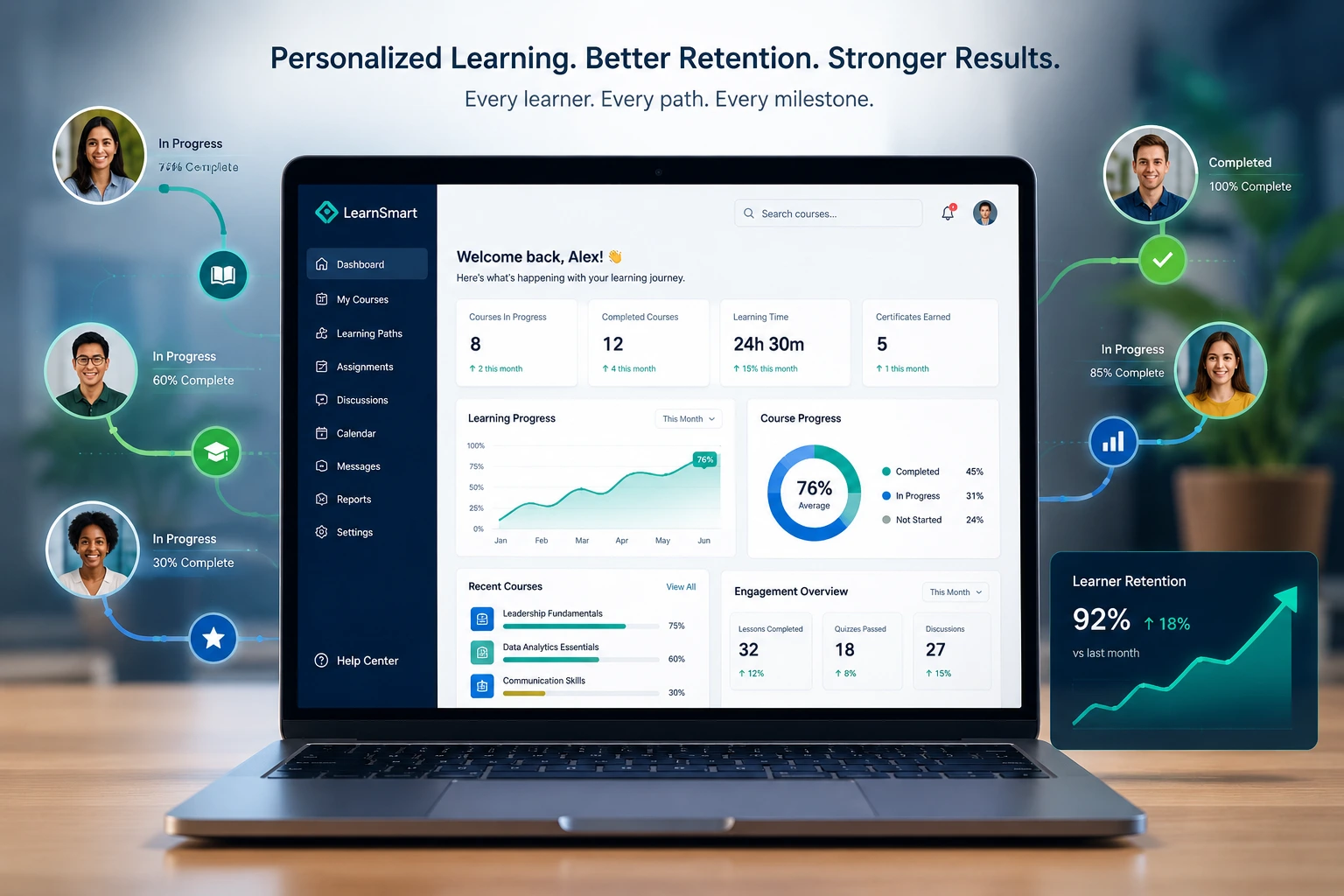
With a custom LMS, you build adaptive paths. Early assessments route beginners to foundational modules and let experienced users skip ahead. Progress tracking triggers relevant recommendations.
I worked with a client teaching digital marketing. We added branching scenarios based on quiz performance. Learners who struggled with SEO got extra micro-lessons automatically. Completion rates jumped from around 35% to over 70% in the first cohort.
Personalization isn’t a nice-to-have. It makes learners feel seen.
2. Seamless Integration with Tools Learners Already Use
Friction kills momentum. If your course lives in a separate world from a student’s workflow, they’ll disengage.
Custom learning management systems shine here. You can integrate directly with Slack, Notion, Google Workspace, or your membership site. Progress syncs automatically. Reminders feel helpful instead of spammy.
One project involved connecting an LMS to a client’s existing CRM. When a learner completed a sales module, it updated their pipeline status. That real-world connection made training feel essential rather than extra.
3. Better Engagement Through Tailored Content and Gamification
Standard LMS platforms offer basic badges and points. Custom builds let you design mechanics that fit your brand and audience.
Think progress visualizations that match your niche, community features that encourage peer support, or scenario-based challenges that mirror actual work situations.
In one course series I helped shape, we added short video feedback loops from the instructor at key milestones. The human touch combined with custom analytics helped identify struggling learners early. Retention improved because people felt supported, not monitored.
4. Data-Driven Insights for Continuous Improvement
You can’t fix what you can’t see. Most platforms give basic reports. A custom LMS provides deeper visibility into where learners drop off and why.
Heatmaps on content, time spent per module, and pattern recognition help you refine material quickly. I regularly review this data with clients and adjust modules within days instead of waiting for the next big update.
This iterative approach creates a flywheel: better content leads to higher retention, which gives more data to improve further.
5. Full Branding and Ownership That Builds Trust
Learners notice when a course feels thrown together on someone else’s platform. A custom learning management system carries your branding throughout — from login to certificates.
This consistency builds credibility. It also removes the risk of platform changes or sudden pricing hikes disrupting your business.
I’ve seen creators lose momentum when their chosen platform shifted focus or increased fees. Owning the core experience protects your relationship with students long-term.
Step-by-Step: How to Plan Your Custom LMS for Better Retention
Ready to move forward? Here’s a practical process I use with clients:
- Define your learner personas — Interview past students or survey prospects. What frustrates them? What keeps them motivated?
- Map the ideal journey — List every touchpoint from signup to completion. Identify potential drop-off points.
- Choose your core features — Prioritize personalization, mobile access, integrations, and analytics. Skip shiny extras that don’t serve retention.
- Build in feedback loops — Add quick surveys after modules and easy ways to ask for help.
- Test with a small group — Launch a pilot, measure completion, and refine before full rollout.
- Monitor and iterate — Set monthly reviews of key metrics like time-to-completion and re-engagement rates.
This structured approach prevents over-engineering while focusing on what actually moves the needle.
Common Mistakes and How to Avoid Them
Many people jump into custom development without clear goals and end up with an expensive version of a standard platform.
- Over-customizing too early: Start with MVP features focused on retention. You can add advanced bells and whistles later.
- Ignoring mobile experience: A huge portion of learning happens on phones. Test thoroughly on different devices.
- Weak onboarding: The first 10 minutes decide if someone sticks around. Make signup and first module dead simple.
- No ongoing support plan: A custom LMS needs maintenance. Plan for updates and content refreshes.
Watch out for scope creep. The goal is better learning outcomes, not the most feature-rich system.
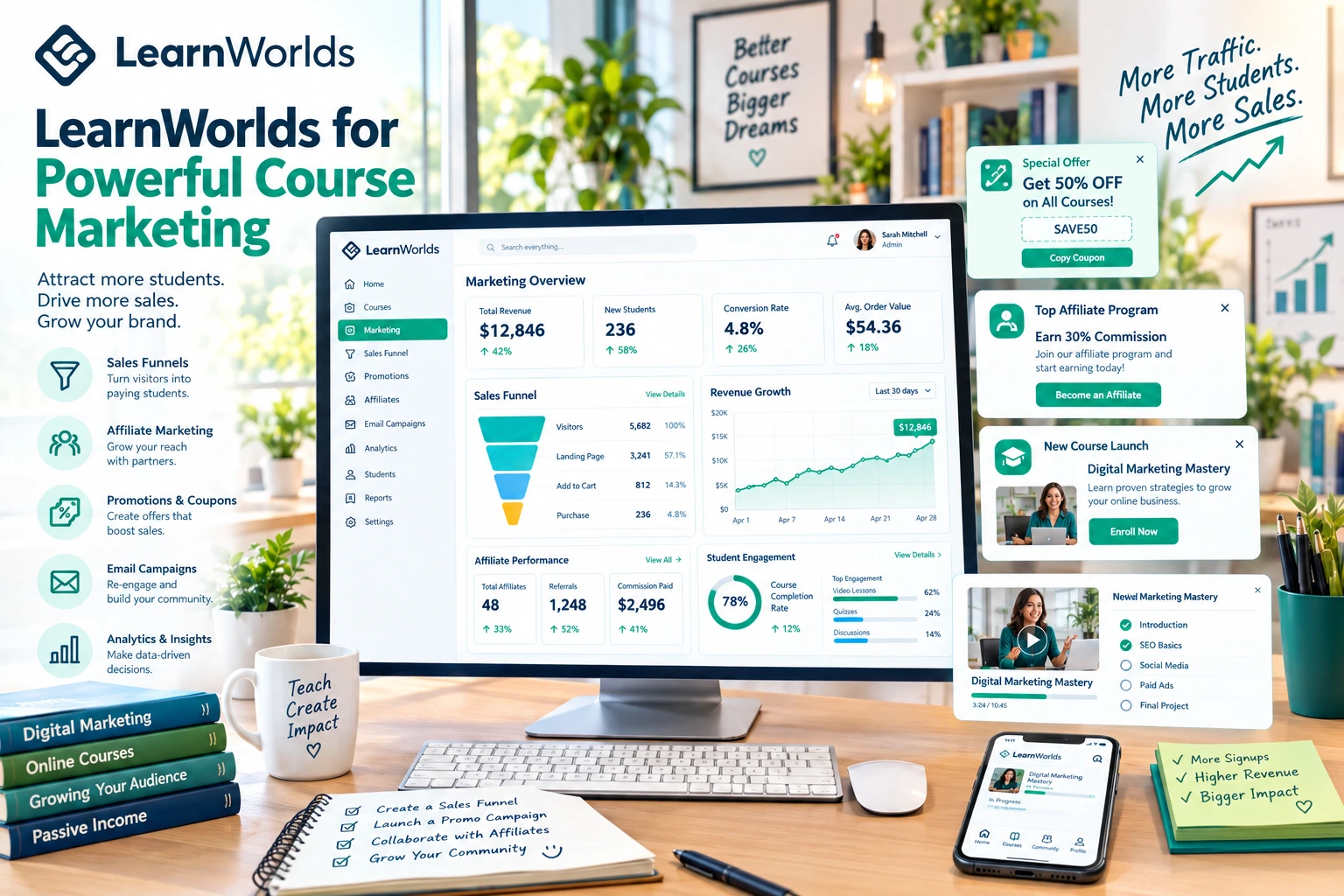
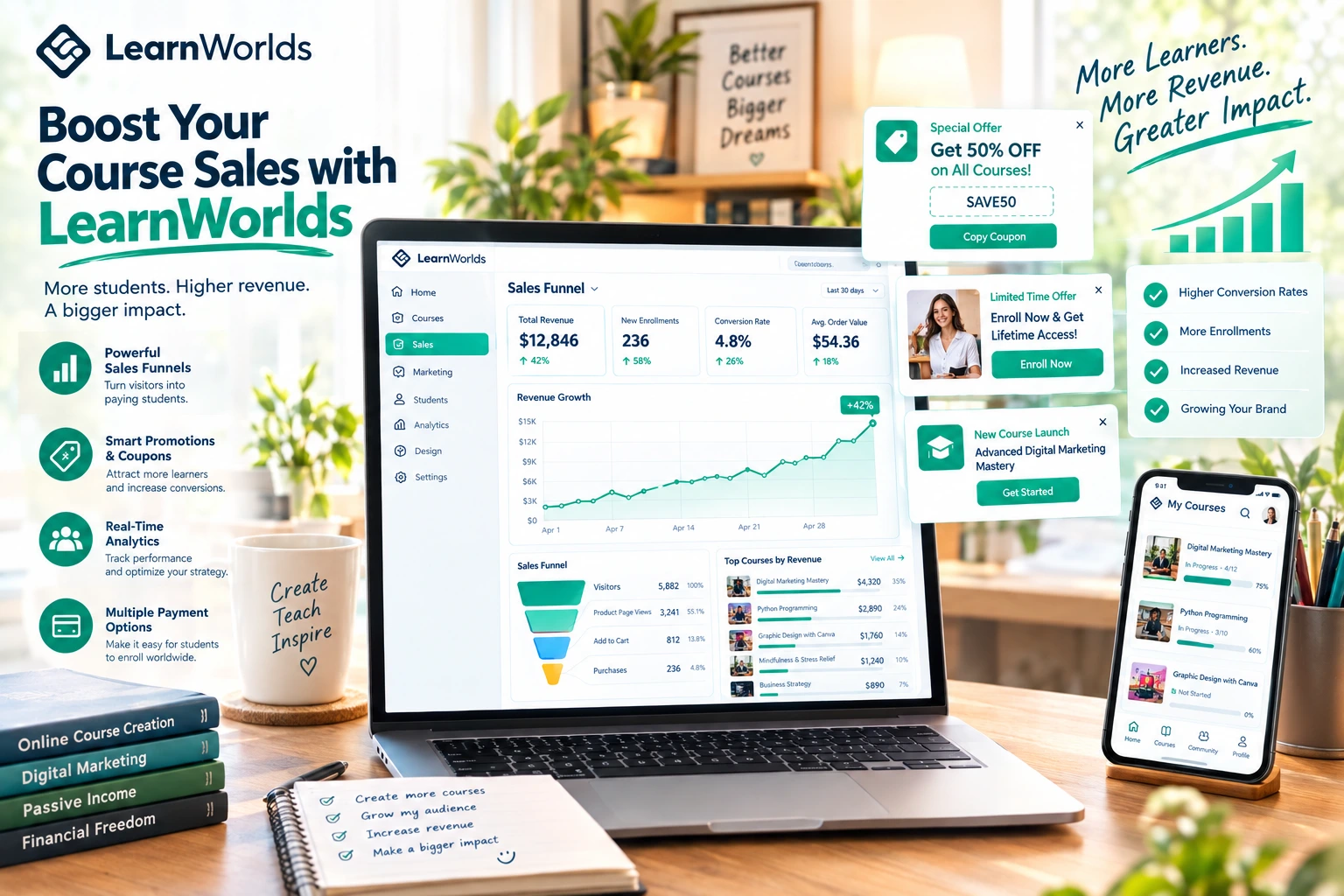
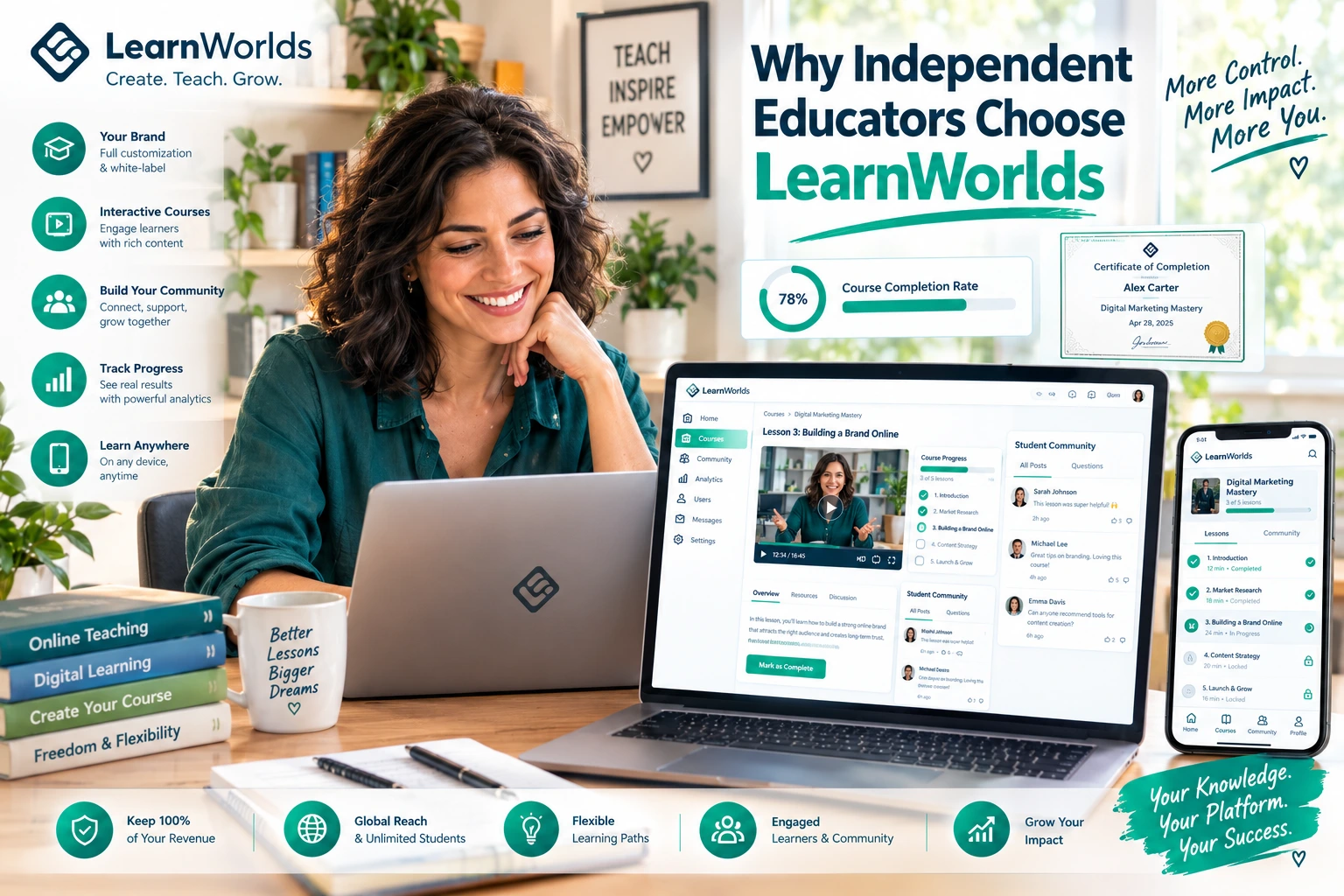
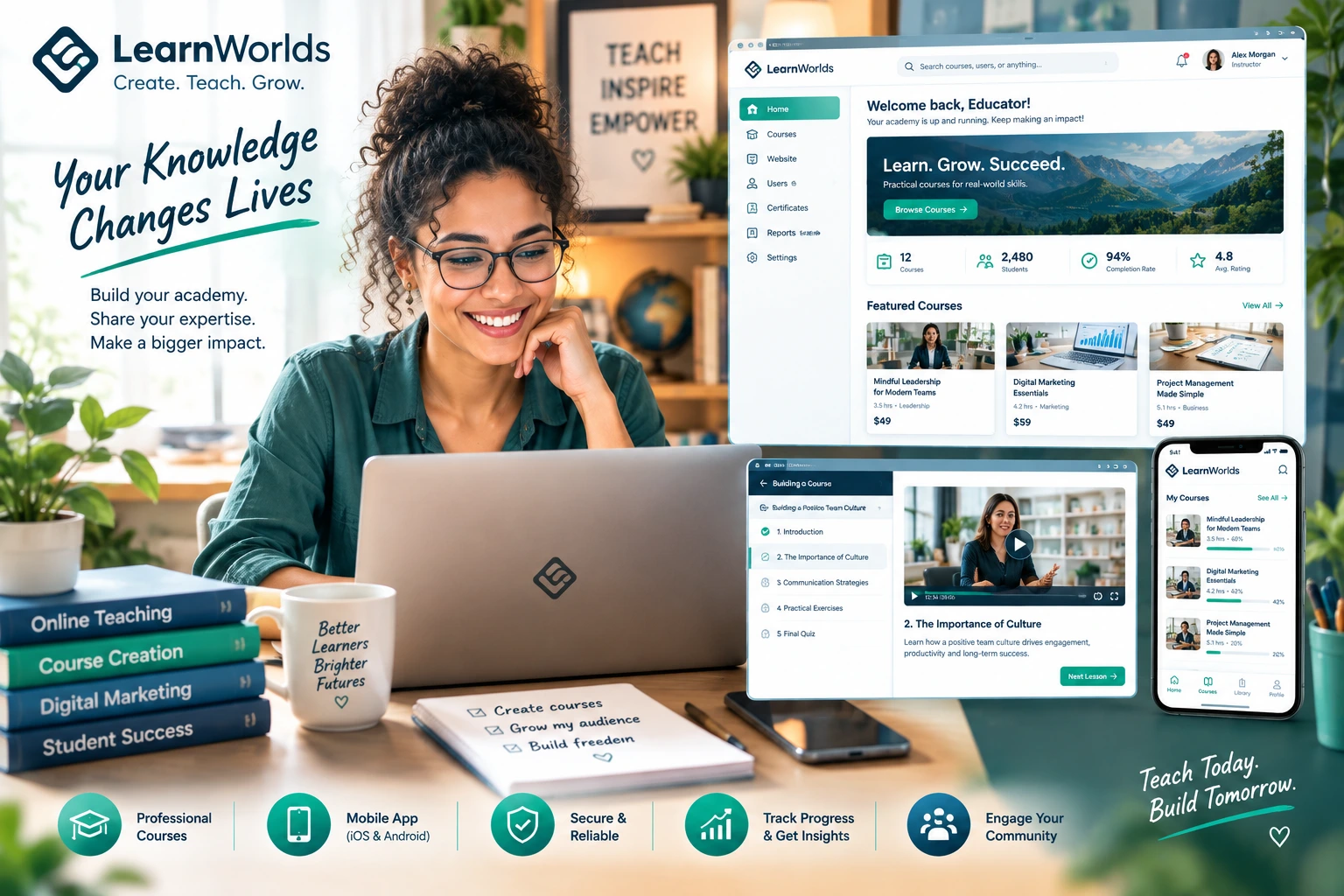
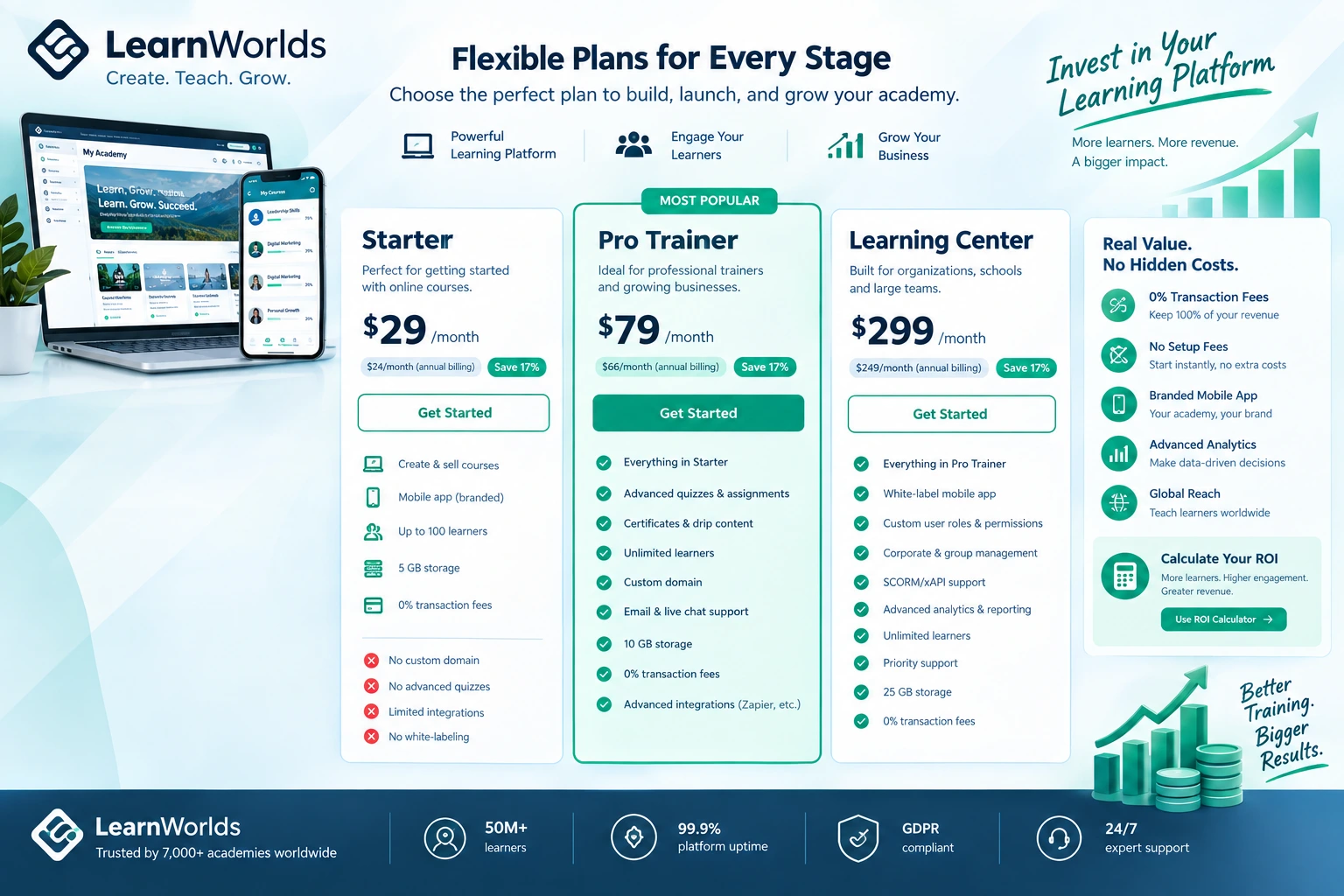
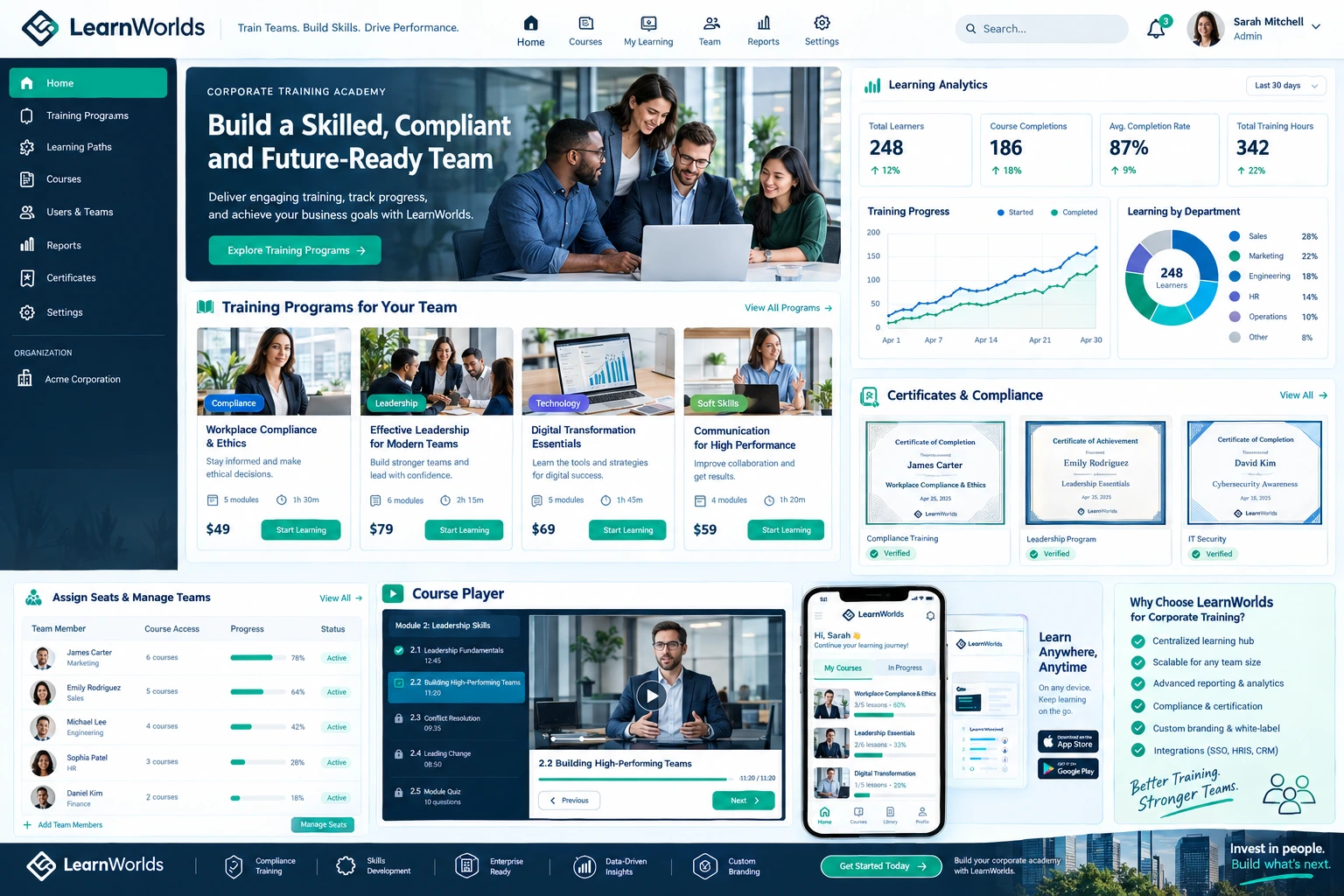
For inspiration on polished platforms, check how leaders like LearnWorlds approach engagement (great for ideas even if you go custom).
FAQ: Custom LMS and Learner Retention
What is the main benefit of a custom LMS over platforms like Thinkific or Kajabi?
The biggest advantage is complete control over the learner experience. You remove limitations and tailor every detail to your audience, which generic platforms can’t match fully.
How much can a custom LMS improve retention rates?
In my projects, we’ve seen 30-70% lifts in completion depending on the niche and implementation quality. Personalization and reduced friction make the biggest difference.
Is a custom learning management system expensive?
It depends on scope. For many creators, starting with a tailored setup on flexible foundations like WordPress can be more cost-effective long-term than paying recurring fees plus workarounds.
Do I need coding skills to build one?
Not necessarily. You can work with developers or use no-code/low-code approaches combined with custom extensions. Focus on your vision; partner for the technical side.
How do I measure success beyond completion rates?
Track knowledge retention (post-course quizzes), application of skills (follow-up projects), and business outcomes like repeat purchases or testimonials.
Building Learning Experiences That Last
A custom LMS isn’t about chasing technology trends. It’s about creating an environment where your learners succeed and keep coming back for more.
The five approaches I’ve shared — personalization, seamless integration, smart engagement, data insights, and true ownership — come from real projects where generic solutions fell short.
If you’re serious about growing your online education efforts, investing in the right learning management system pays off through higher retention, better reviews, and stronger business results.
Ready to explore what a tailored solution could look like for your courses? Visit my site at shihabmorshed.com or check the services at digitalwindit.com to get started. I’d love to hear about your goals and help shape something that works for your audience.