Let’s be honest — most corporate training or online courses feel like a chore. Employees log in because they have to, rush through modules, and forget most of it shortly after.
After helping many organizations improve their training platforms, I’ve found one approach that consistently transforms passive learners into active, motivated participants: gamification in LMS.
When done right, game-like elements turn learning from an obligation into something people actually want to do. In this post, I’ll explain why gamification works so well and how you can use it effectively in your learning management system.
What Gamification in LMS Actually Means
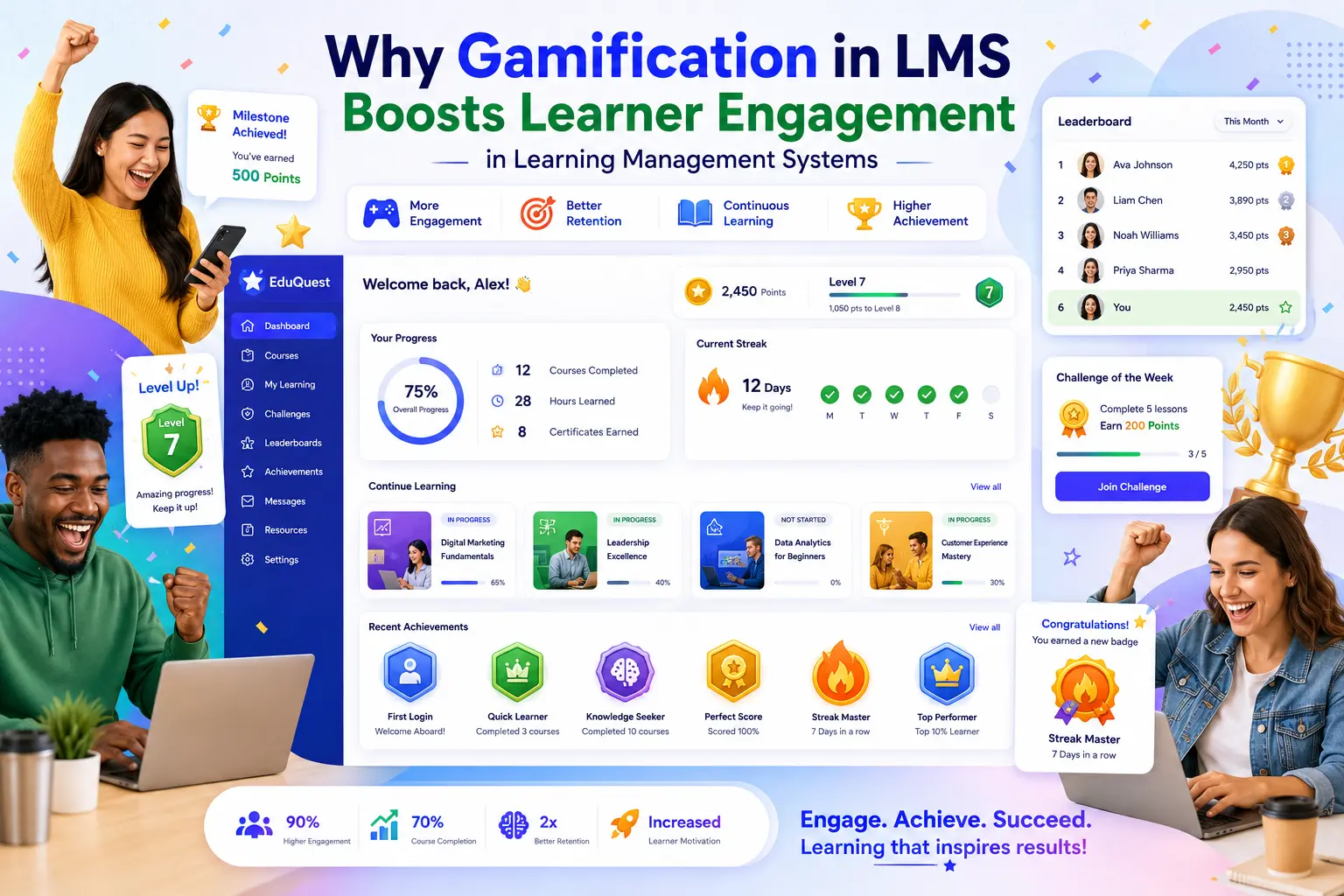
Gamification is the addition of game mechanics — points, badges, leaderboards, levels, challenges, and rewards — into a learning management system. It’s not about turning training into a video game, but about tapping into natural human motivations like achievement, competition, progress, and recognition.
A well-designed gamified LMS makes learning more enjoyable while reinforcing positive behaviors and knowledge retention.
How Gamification Drives Real Engagement
Here’s why it delivers powerful results:
- Triggers Dopamine Responses — Points, badges, and progress visuals give quick rewards that motivate continued effort.
- Creates Healthy Competition — Leaderboards encourage friendly rivalry and higher performance.
- Provides Clear Progress — Visual levels and completion trackers reduce overwhelm and show tangible advancement.
- Increases Emotional Investment — Achievements and recognition make learners feel valued.
- Encourages Regular Participation — Daily streaks, challenges, and timely rewards build consistent learning habits.
In my experience, companies that properly implement gamification often see completion rates increase by 40–80%.
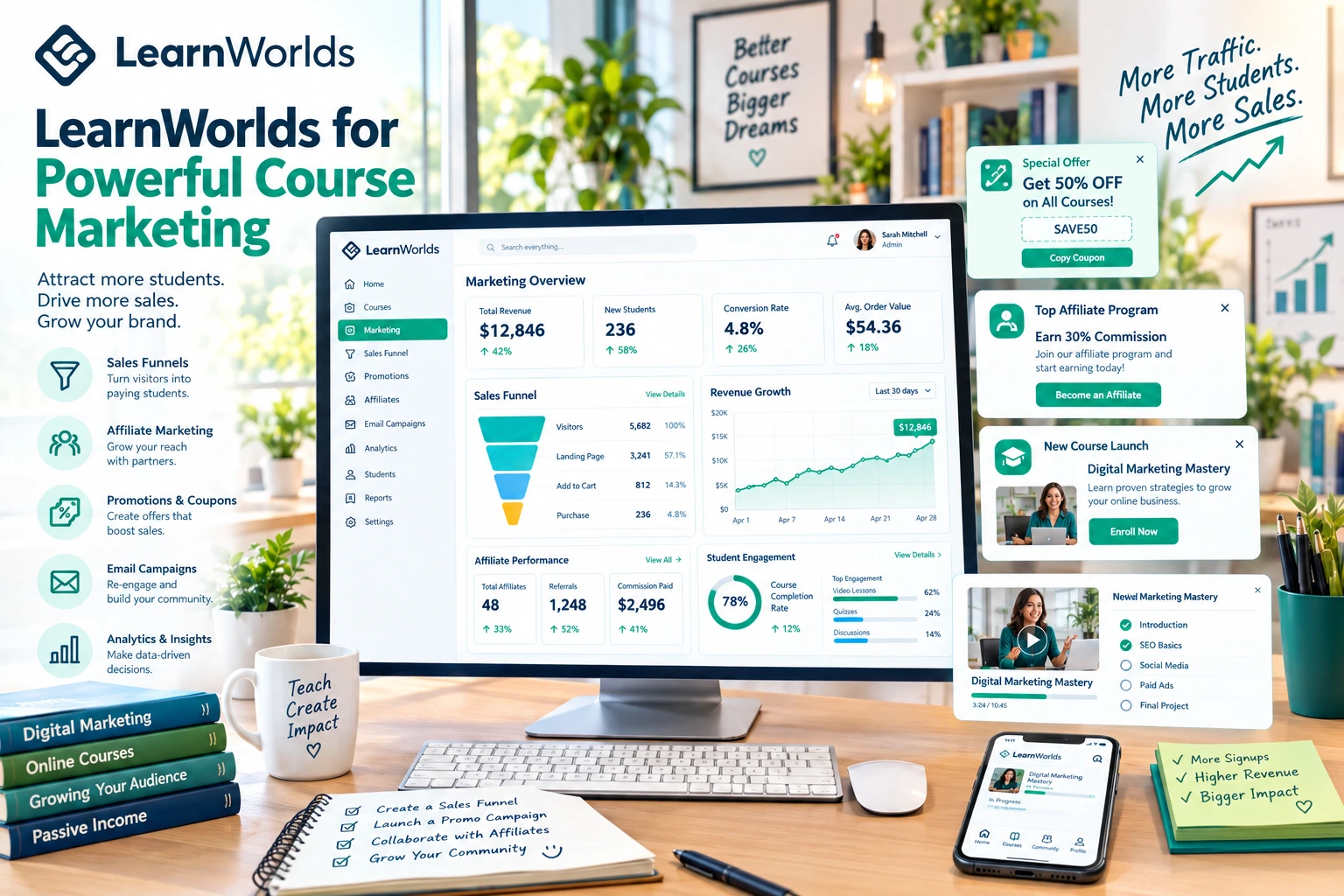
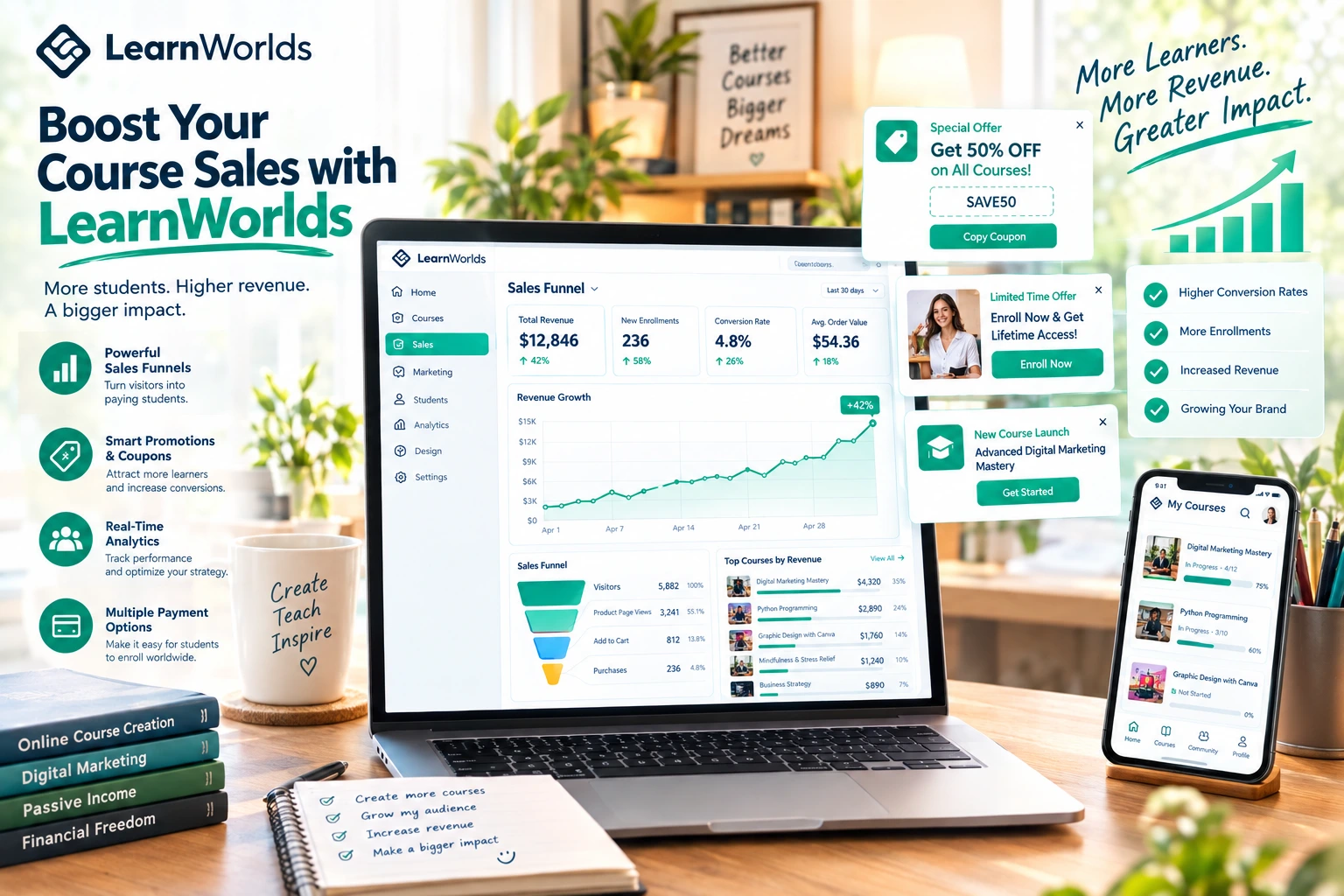
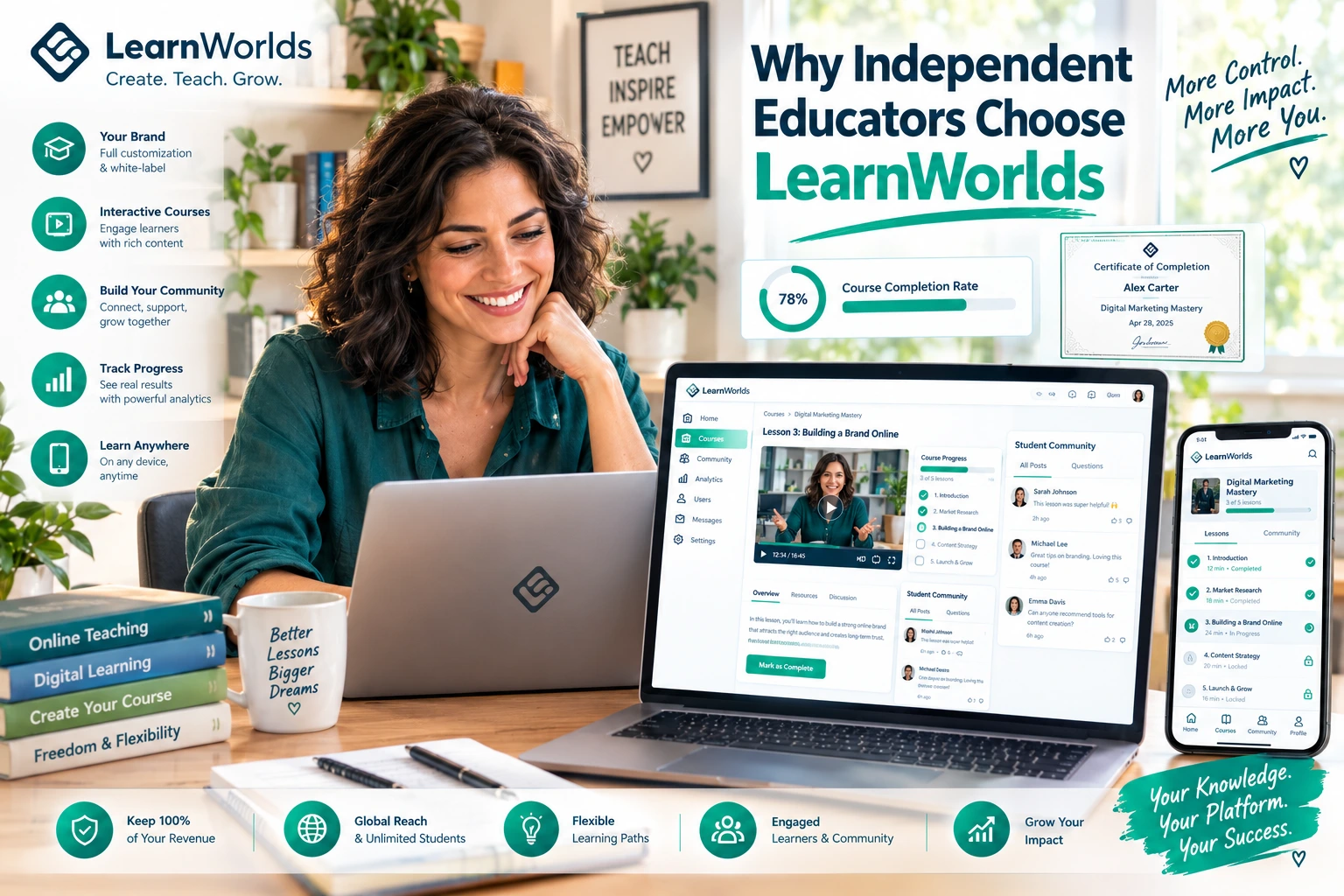
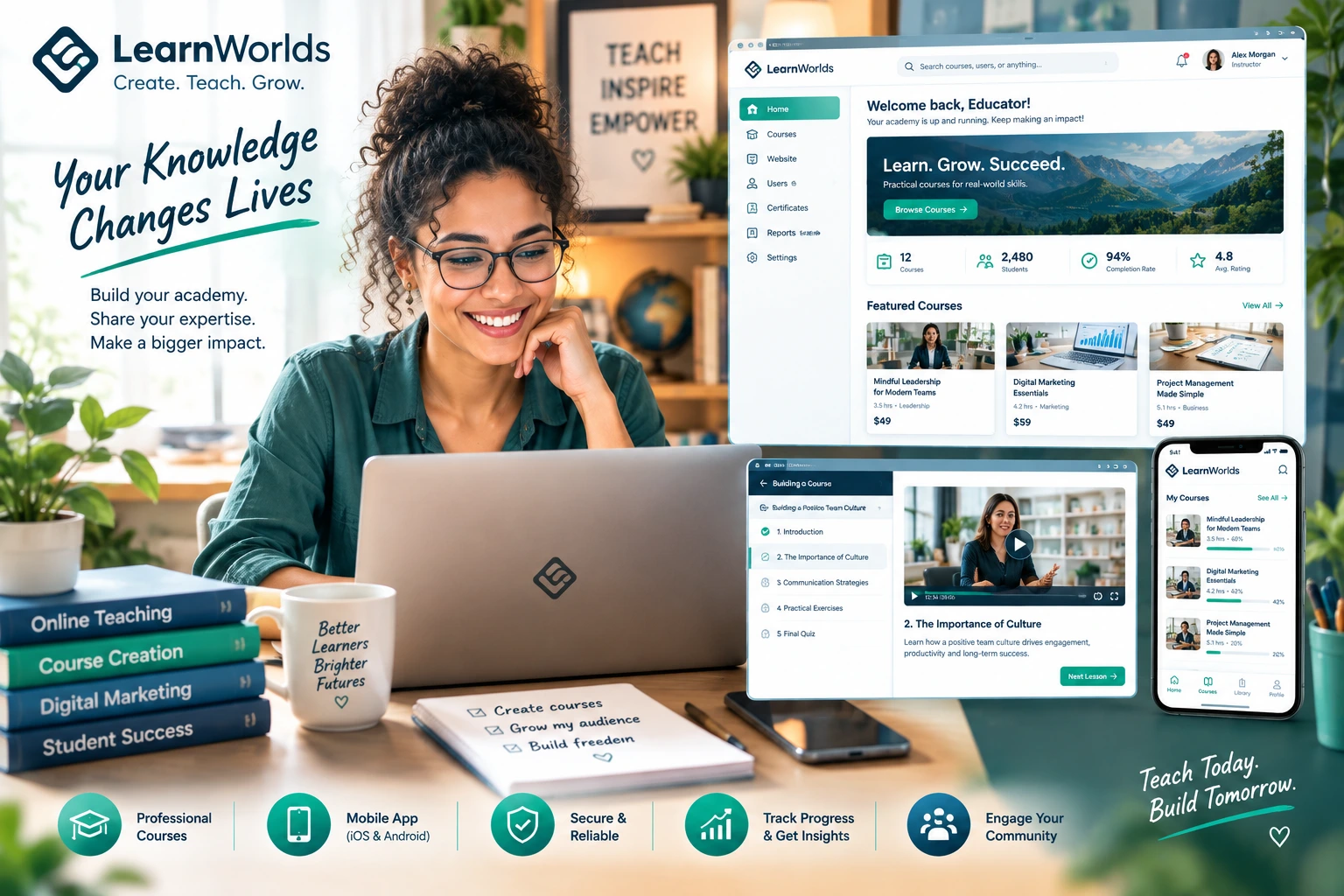
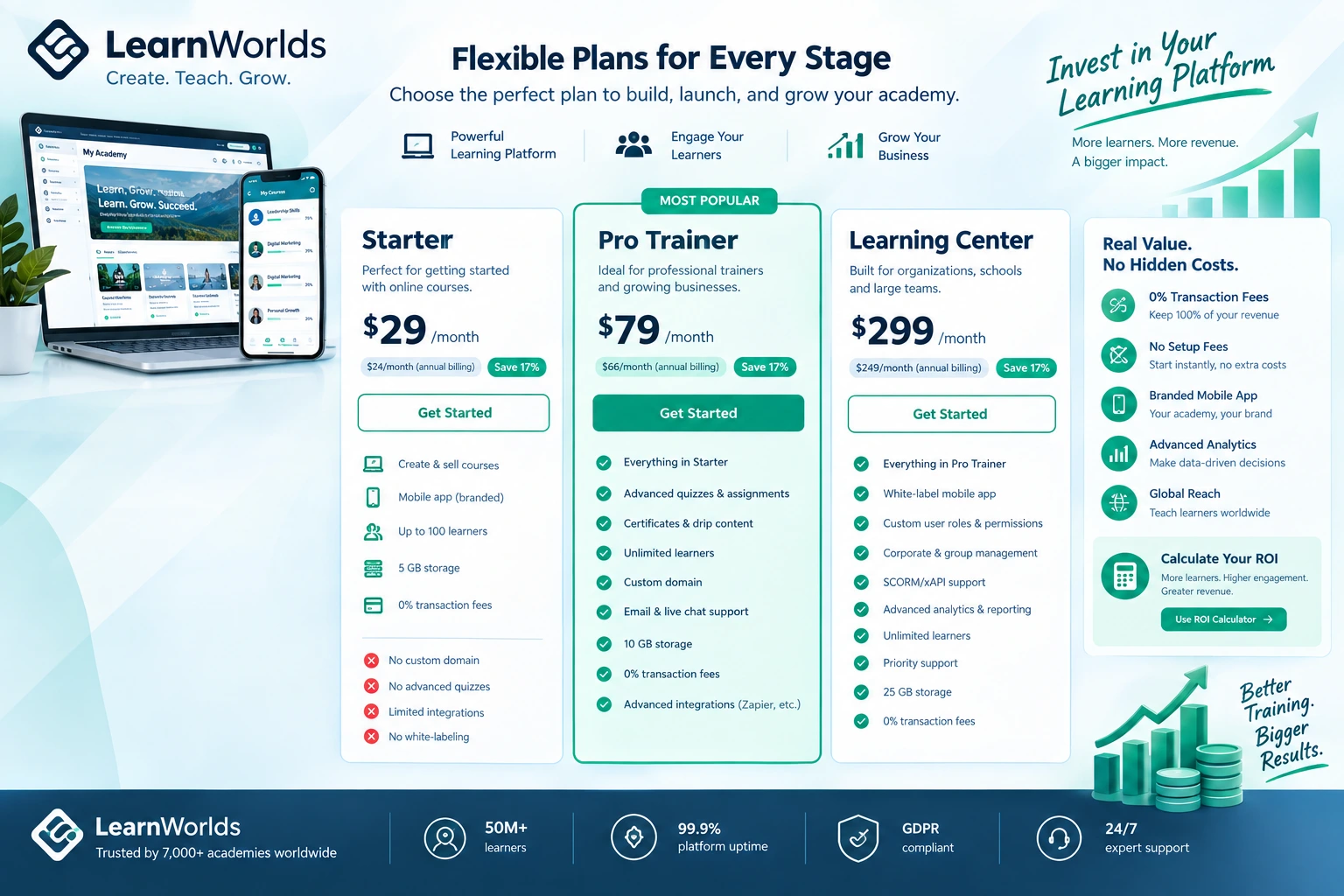
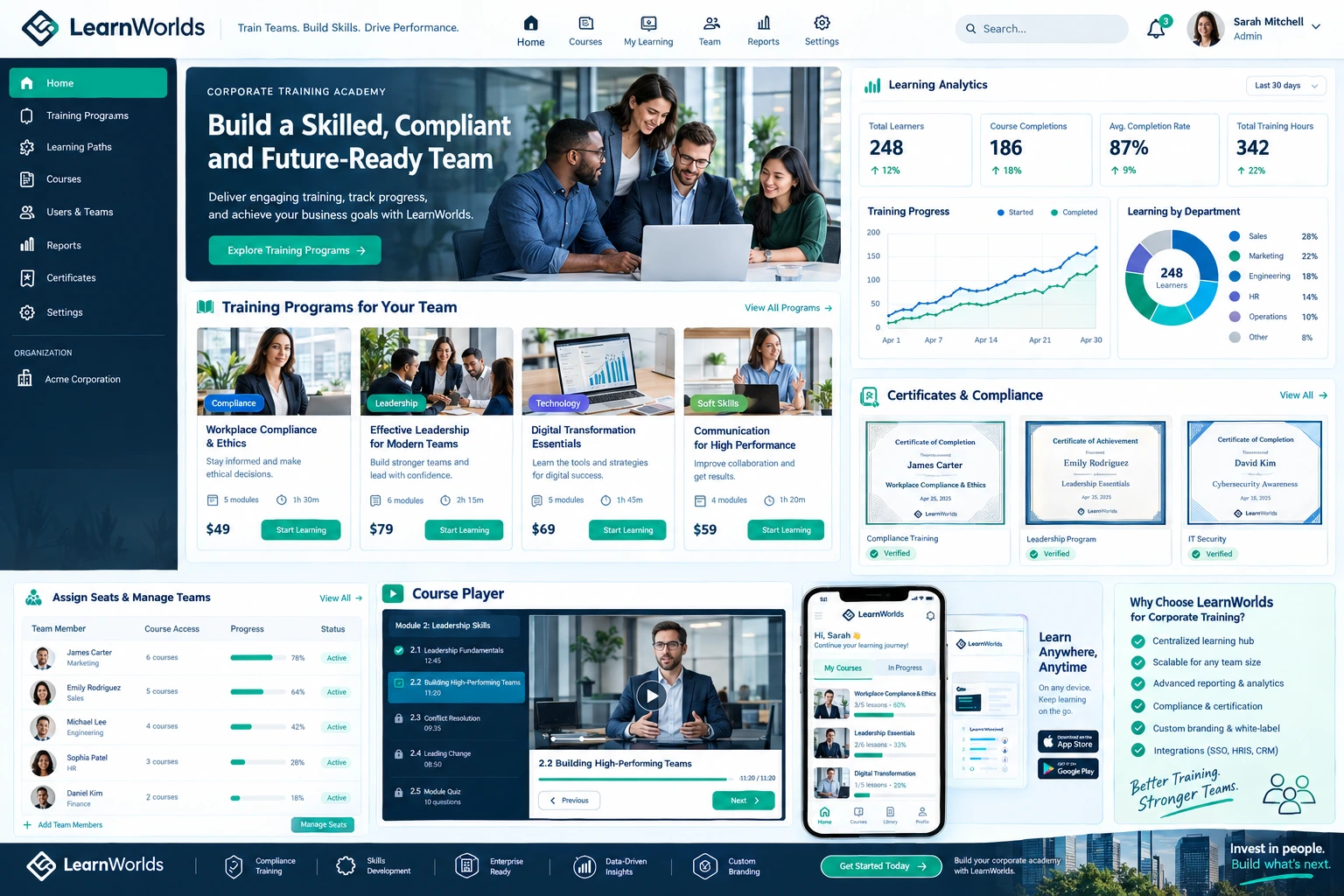
Comparison Insight: Platforms like LearnWorlds come with strong built-in gamification features. Thinkific and Kajabi offer basic options. However, a custom LMS allows you to design gamification mechanics perfectly aligned with your company culture and specific learning goals.
Real-World Example
A retail client I worked with struggled with product knowledge training. Completion rates hovered around 45%. After adding gamification — points for module completion, monthly badges for top performers, team leaderboards, and unlockable bonus content — engagement transformed. Completion rates rose to 89%, product knowledge test scores improved significantly, and store managers reported better on-floor performance. The training went from being ignored to something employees looked forward to.
Step-by-Step: Implementing Gamification in Your LMS
Here’s a practical way to add gamification successfully:
- Define Your Goals — Decide what behaviors you want to encourage (completion, quiz performance, knowledge sharing).
- Choose Relevant Mechanics — Match elements like points, badges, or challenges to your audience.
- Keep It Balanced — Avoid over-gamification that feels childish or forced.
- Integrate Naturally — Make game elements support learning instead of distracting from it.
- Test with Real Users — Gather feedback before full rollout.
- Monitor and Adjust — Track engagement metrics and refine what works best.
- Celebrate Wins — Publicly recognize top performers to reinforce positive behavior.
This thoughtful approach prevents common gamification failures.
Common Mistakes to Avoid
- Adding too many elements at once, overwhelming users
- Focusing only on competition instead of personal progress
- Using rewards that don’t feel meaningful
- Ignoring different learning styles and motivations
- Failing to maintain fresh content and new challenges
Working with an experienced LMS developer helps design gamification that feels natural and effective. Explore tailored solutions at Digital Wind IT.
FAQ: Gamification in LMS
Does gamification work for all types of training?
It works especially well for compliance, product knowledge, and skill development. Even serious topics benefit from thoughtful implementation.
Will older or non-gamer employees respond negatively?
Most respond positively when gamification focuses on progress and achievement rather than heavy competition.
How much does adding gamification cost?
On existing platforms it can be low. In a custom learning management system, it depends on complexity but usually delivers strong ROI.
What gamification elements work best?
Progress bars, achievement badges, levels, and meaningful rewards tend to have the strongest impact.
Can gamification improve knowledge retention?
Yes. The combination of repetition, immediate feedback, and emotional connection significantly boosts long-term recall.
Make Learning Addictive in a Good Way
Gamification transforms your LMS from a mandatory tool into an engaging experience that employees actually enjoy. When learning feels rewarding, people participate more, retain more, and perform better.
The companies seeing the highest training success today aren’t necessarily spending the most on content — they’re making the learning experience more human and motivating.
If your current learning management system suffers from low engagement, it might be time to explore gamification. Visit Digital Wind IT for custom development or reach out through my site to discuss how we can make your training more effective and enjoyable.
Great learning doesn’t have to feel like work. Smart gamification makes it feel like progress.