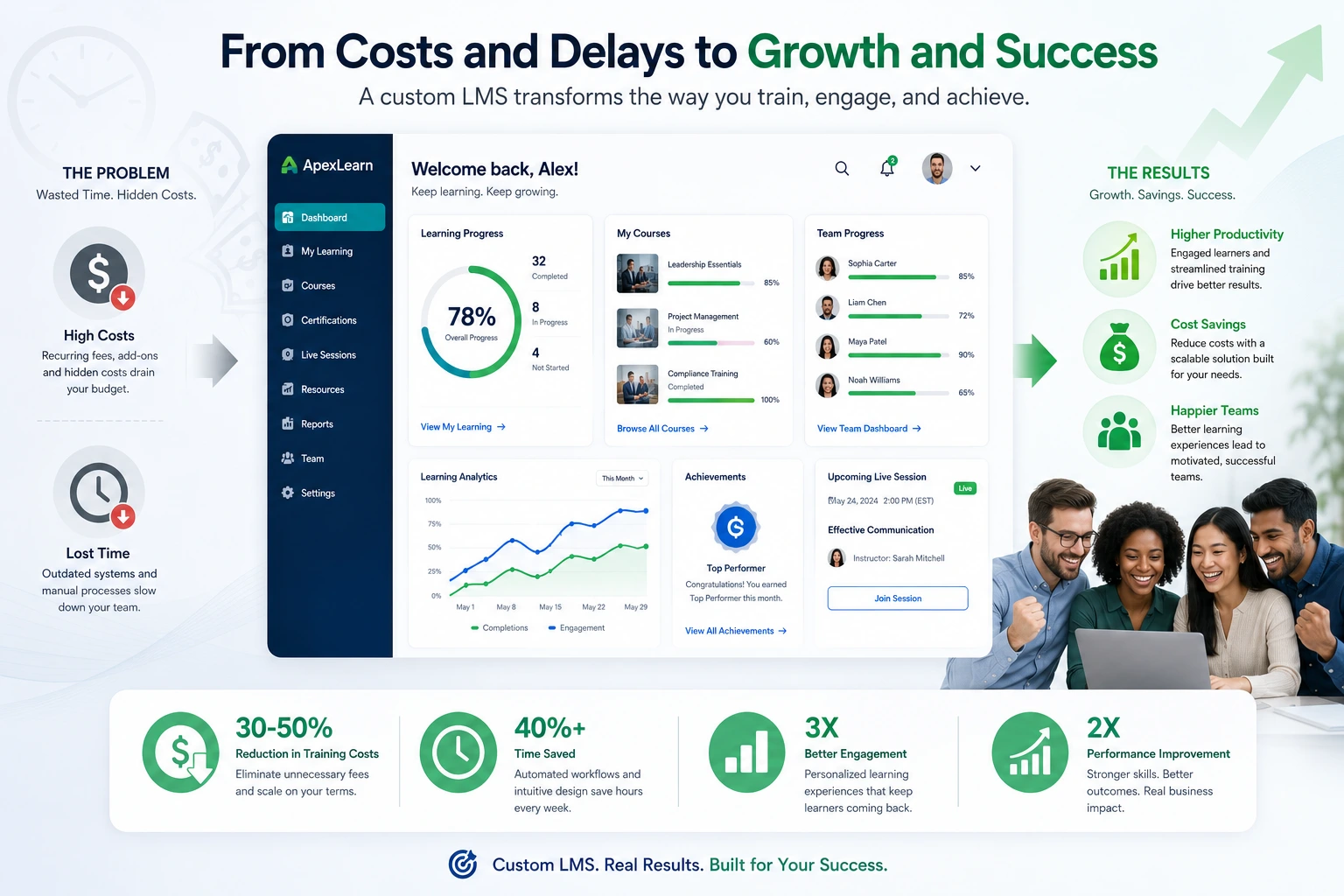
Most businesses treat training as an expense. The smarter ones see it as an investment — especially when using the right learning management system. After helping companies build and optimize training platforms, I’ve learned that a custom LMS often delivers the highest return on investment once you look past the initial price tag.
Generic platforms seem cheaper at first. But hidden costs add up fast through inefficiencies, workarounds, and limited results. In this post, I’ll show exactly how a tailored custom LMS saves both time and money while improving outcomes.
The Real Cost of Generic Learning Management Systems
Popular off-the-shelf LMS platforms look attractive with their monthly pricing. Tools like Moodle, TalentLMS, Docebo, Kajabi, or Thinkific have their strengths. However, many growing companies eventually hit the ceiling.
You pay per user. You pay for add-ons. You spend hours forcing the system to fit your processes. Then you lose productivity when employees disengage from clunky interfaces.
A custom learning content management system flips this equation. Higher upfront cost, but dramatically lower total ownership cost over 2–3 years.
How a Custom LMS Delivers Better ROI
Here’s where the savings actually happen:
- Reduced Training Time: Personalized paths mean employees learn relevant content faster. One manufacturing client cut new hire training from 6 weeks to 19 days after switching to a tailored system.
- Lower Administrative Overhead: Automated workflows, smart reporting, and seamless integrations eliminate manual work that eats up HR and manager hours.
- Higher Completion and Retention Rates: When training feels built for your company, people actually finish it. Better knowledge retention means fewer repeated trainings.
- No Recurring Per-User Fees: After the initial build, scaling to hundreds of employees doesn’t automatically increase your monthly bill.
- Fewer Workarounds and Integrations: Custom systems connect directly with your HR, CRM, and internal tools instead of relying on expensive third-party connectors.
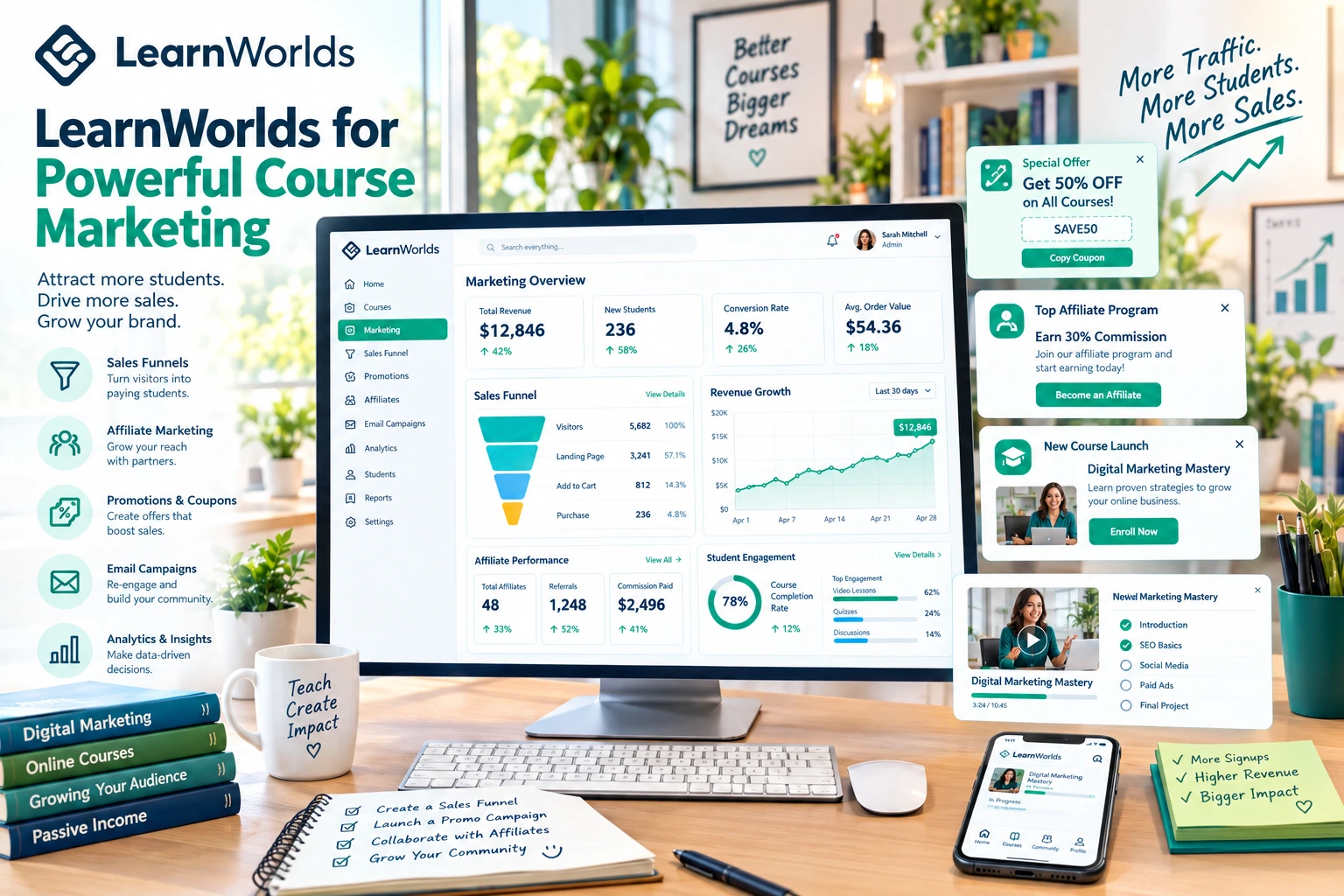
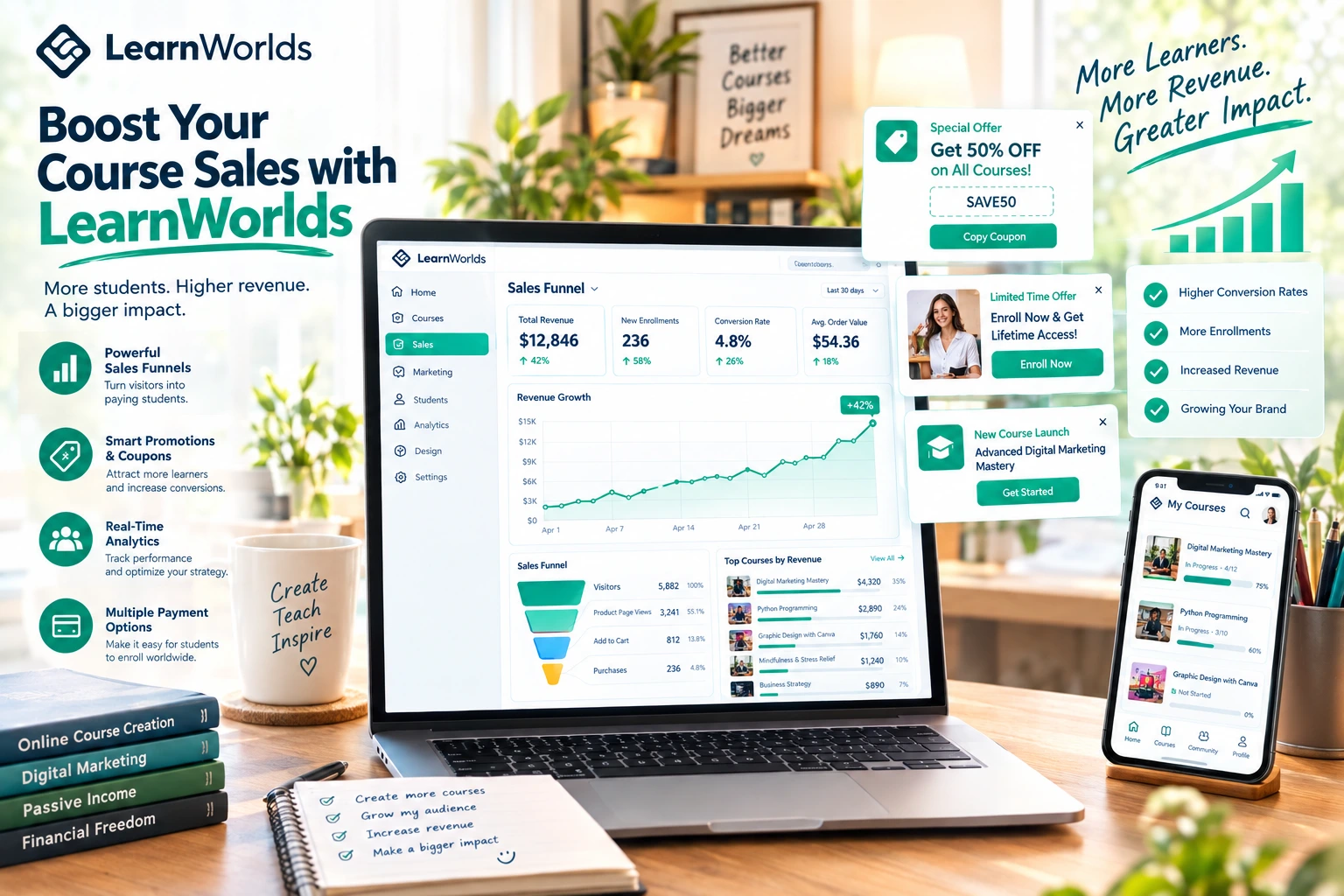
Comparison Insight: While Kajabi or LearnWorlds excel for course creators, and Moodle offers open-source flexibility, they still require ongoing subscriptions or heavy plugins. A purpose-built custom LMS removes many of these recurring costs.
Real-World Example of LMS ROI
A mid-sized logistics company I worked with was spending nearly $28,000 per year on a popular platform plus countless hours on manual reporting and content adjustments. After moving to a tailored learning management system, their first-year costs were higher, but by year two they were saving approximately $19,000 annually while cutting onboarding time by 40%.
The real win? Their drivers and warehouse staff retained safety and process knowledge better, reducing costly compliance violations.
Step-by-Step: Building a High-ROI Custom LMS
Here’s the practical approach I recommend:
- Calculate Current Costs — Track platform fees, employee time spent in training, administrative hours, and productivity loss from poor training.
- Identify High-Impact Areas — Focus first on onboarding, compliance, and role-specific skill development.
- Choose the Right Development Path — Many companies get best ROI by customizing a strong base rather than building 100% from scratch.
- Prioritize Must-Have Features — Mobile access, automated reporting, deep integrations, and easy content updates usually deliver quickest returns.
- Plan Phased Implementation — Start with one department to prove ROI before full rollout.
- Measure and Optimize — Track key metrics like time-to-productivity, completion rates, and error reduction every quarter.
- Review Annually — Adjust the system as your business evolves.
This method ensures your investment starts paying back quickly.
Common Pitfalls That Kill LMS ROI
Even good custom projects can underperform if you:
- Try to build too many features at once instead of prioritizing
- Skip proper user testing before launch
- Choose the cheapest development option instead of experienced teams
- Forget to budget for ongoing content maintenance
- Fail to train managers on how to use the new system effectively
I’ve seen companies waste money on beautiful systems that nobody used. Change management matters as much as technology. If you need guidance, feel free to explore solutions at Digital Wind IT.
FAQ: Custom LMS and ROI
How long until a custom LMS starts delivering positive ROI?
Most well-planned projects break even within 12–18 months and generate strong returns after that.
Is a custom learning management system always more expensive initially?
Yes, usually. But the total cost of ownership over 3+ years is frequently lower than popular subscription platforms.
Can small businesses get good ROI from a custom LMS?
Absolutely — especially if they have unique processes. Start smaller and scale features over time.
How does a custom LMS compare to Moodle or TalentLMS on cost?
Moodle requires technical maintenance costs, while TalentLMS has per-user fees. Custom solutions often win on long-term predictability.
What features give the fastest ROI?
Automated onboarding flows, mobile access, and analytics dashboards usually show results quickest.
Start Maximizing Your Training ROI Today
A custom LMS isn’t just another expense — it’s a strategic tool that reduces waste, accelerates learning, and compounds value year after year. When designed right, it saves significant time and money while building a more capable workforce.
If your current learning management system feels like it’s costing more than it delivers, it might be time to explore better options. Visit Digital Wind IT for custom development insights or connect with me directly at Shihab Morshed.
The companies that treat training as a smart investment through tailored systems are the ones pulling ahead. Make your move toward higher ROI.